Android 17 Beta: The Developer Checklist That Matters
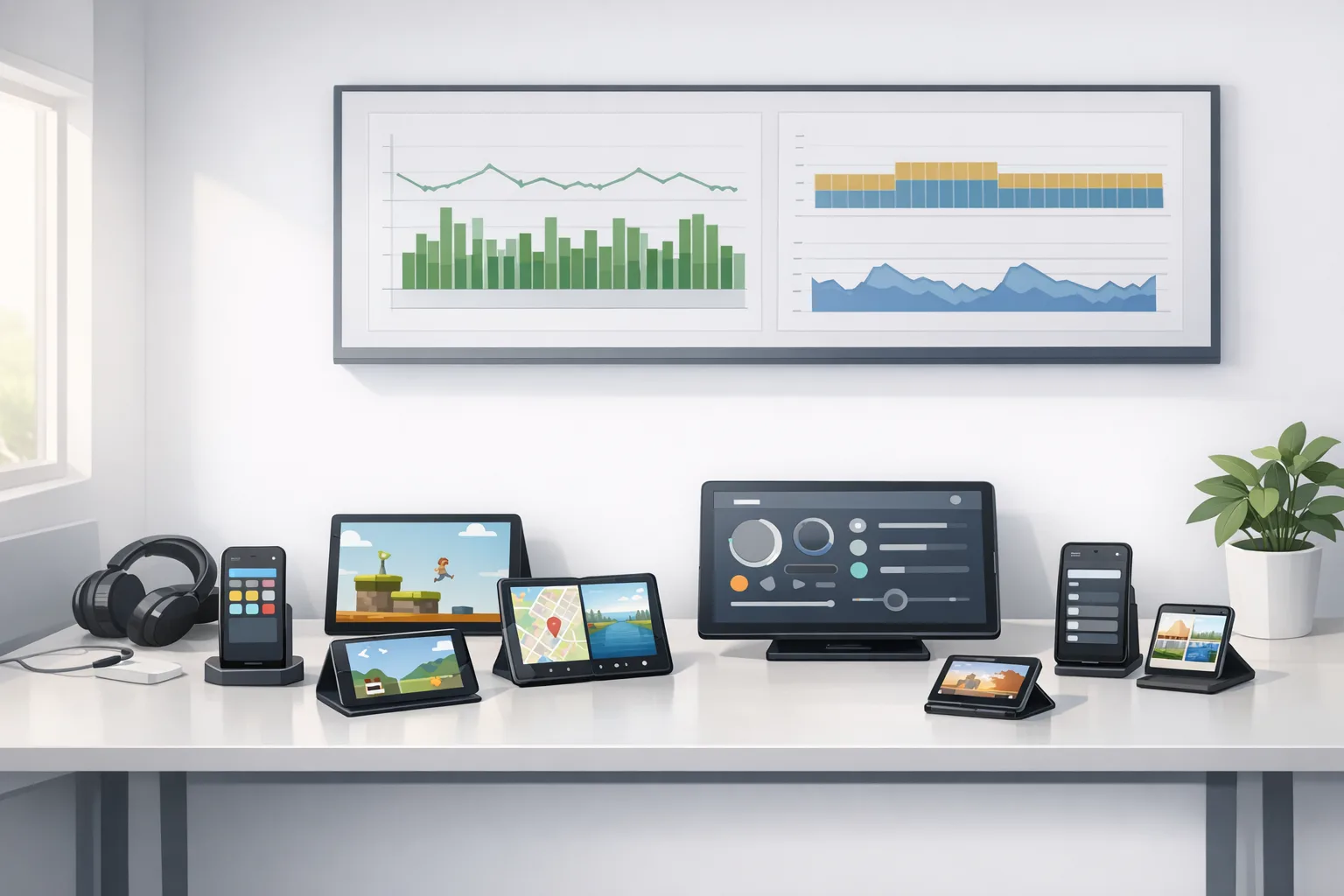
The Android 17 beta just landed for recent Pixels, and the signal is clear: large‑screen behavior isn’t optional anymore. The primary keyword here is Android 17 beta, and it arrives with API level 37 changes that touch performance (a new lock‑free MessageQueue and generational GC in ART), privacy (cleartext defaults tighten), media (smoother camera transitions, VVC/H.266), and connectivity (better ranging, companion device profiles). If you build for tablets, foldables, or anything that runs in a resizable window, this cycle sets the guardrails for Q2 2026.
What actually changed in Android 17 (API level 37)?
Let’s get practical. Here are the high‑impact changes I’m seeing teams trip over—or benefit from—during early beta testing:
1) Lock‑free MessageQueue. The OS event loop gets a modernized, lock‑free implementation. On healthy apps, it shaves missed frames during UI bursts. On brittle apps that reflect into android.os.MessageQueue, it can surface crashes. If you maintain in‑house performance tooling that hooks private fields, assume refactors are required.
2) Generational garbage collection in ART. ART adds a young‑generation collector alongside full‑heap cycles. The goal: more frequent, cheaper pauses and lower CPU cost. Expect smoother scrolls and less tail‑latency during list churn—provided you’re not creating short‑lived bitmap storms or allocating in tight render loops.
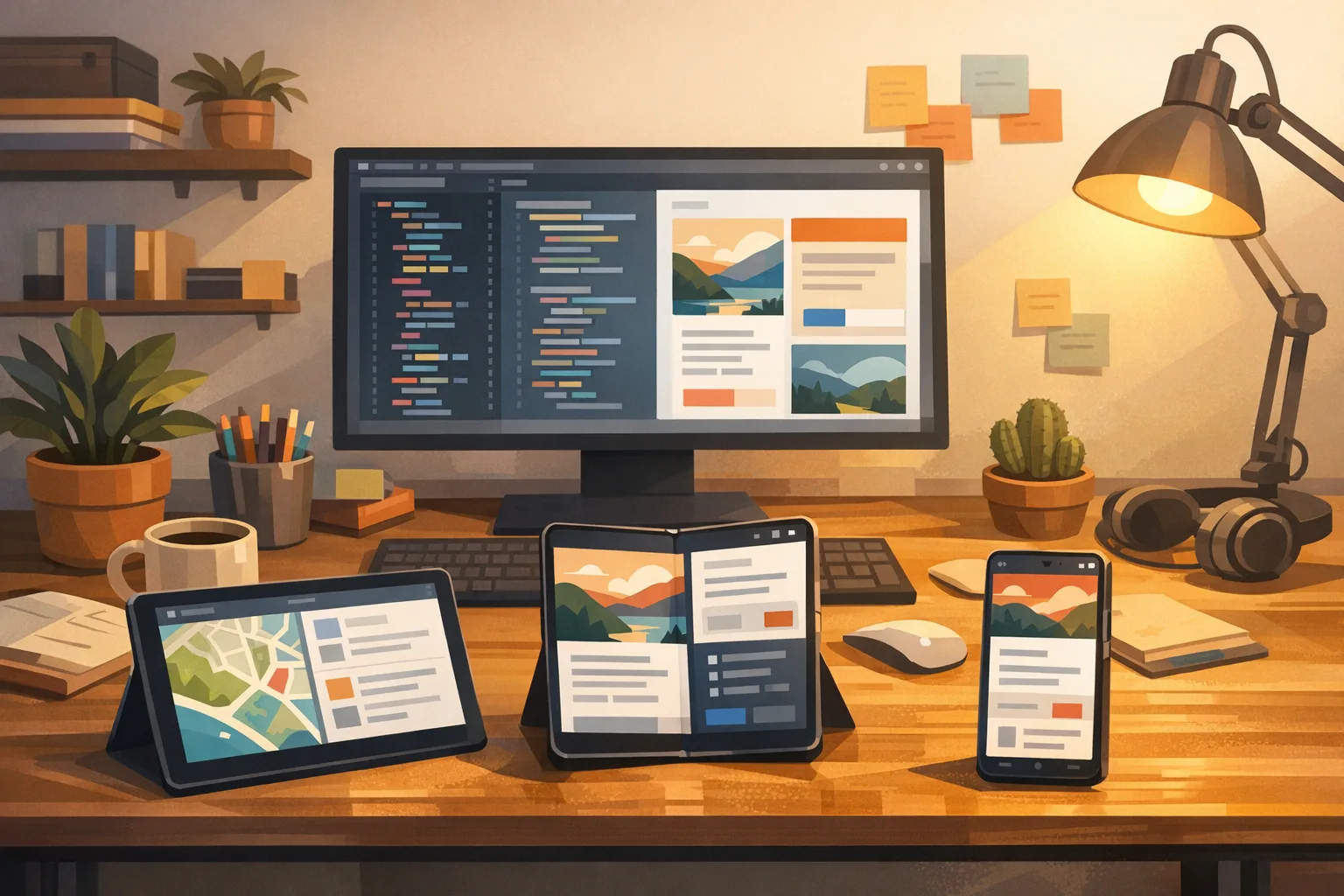
3) Adaptive apps become table stakes. Targeting API 37 means you can’t assume a fixed orientation or a non‑resizable window. Tablets, foldables, and desktop‑mode windows expose every layout weakness: hardcoded min‑widths, cropped fab menus, and input method overlaps. Android 17 beta pushes this from “best practice” into “non‑negotiable.”
4) Privacy & networking: cleartext defaults tighten. The android:usesCleartextTraffic attribute is deprecated. If you target 37 and rely on implicit cleartext allowances, expect outbound HTTP to fail unless you move to a Network Security Config with explicit exceptions or—better—just migrate to TLS everywhere.
5) Media & camera pipeline upgrades. You’ll see APIs for smoother camera lens transitions and support for the VVC (H.266) codec on capable hardware. If your app records, transcodes, or streams, your capability checks and fallback ladders need a refresh.
6) Connectivity & companion devices. Wi‑Fi ranging adds proximity improvements, and CompanionDeviceManager gains profiles for medical and fitness trackers so companion apps can request cohesive permission bundles with clearer UX.
Timeline and availability. Beta 1 arrived on February 13, 2026 for Pixel 6 and newer (including Pixel Tablet and original Pixel Fold). Google is aiming for Platform Stability with Beta 2 in March 2026 and a stable public release in Q2 2026. That gives most teams a tight but workable runway to validate behaviors and ship fixes.
“Do I really have to redesign for tablets and foldables?”
Short answer: if you target API 37, you must behave well in resizable windows and multiple orientations. That doesn’t mean a total redesign; it means a robust adaptive layout strategy. Here’s the thing—apps that punt on large screens degrade brand trust fast: letterboxed content, orphaned sidebars, and broken IME interactions scream “unfinished.”
An adaptive‑app readiness checklist
Use this during your first week on Android 17 beta. It fits neatly into a two‑sprint window.
- Map key window sizes. Validate compact, medium, and expanded width classes. In Compose, lean on
material3-adaptivescaffolds; in Views, define breakpoint‑specific layouts instead of piling onConstraintLayouthacks. - Orientation proofing. Test rotation mid‑transaction (checkout, camera capture, auth webviews). Persist state with
ViewModelandSavedStateHandle; avoid brittle static singletons. - Multi‑window and fold posture. Verify split‑screen, freeform, and half‑open postures on foldables. Make sidebars and bottom bars aware of posture changes.
- IME and insets. Audit chat screens and forms for keyboard insets across heights. Compose users: adopt
WindowInsetsAPIs and don’t hardcode 16dp paddings hoping for the best. - Pointer and keyboard. Large screens invite mice and keyboards. Ensure hover states, focus rings, and shortcuts don’t vanish on tablets.
If you want a deeper tour of large‑screen expectations in this release, we covered the developer angle here: new rules for large screens in Android 17 beta.
Performance that translates to real UX
Lock‑free MessageQueue and generational GC sound academic until you profile them on a mid‑tier device. I’ve seen scrolling lists drop p95 frame times by a few milliseconds once allocation churn is brought under control. But there’s a catch: the queue changes will punish any library that pokes private internals.
Your week‑one performance plan
- Inventory reflection and hooks. Search for
setAccessible(true)touchingMessageQueueorLooper. Replace with public tracing APIs or AndroidX alternatives. - Measure before/after. Use
FrameMetricsAggregatoror Macrobenchmark to capture median and p95 frame times on Android 16 vs. 17 for your heaviest screens. - Fix allocation hotspots. Hunt for short‑lived objects in
onBind,draw, and Composables. Stabilize lists with keys and move heavy work off the UI thread. - Watch bitmaps and image pipelines. Any
ARGB_8888or needlessBitmap.createBitmapin loops will erase GC wins. Cache and reuse.
Networking and privacy: cleartext is on borrowed time
Android 17 beta deprecates usesCleartextTraffic and nudges default behavior toward TLS. Many stacks still have stray HTTP endpoints—feature flags, config fetchers, or legacy analytics. Those will quietly fail in target 37 without an explicit Network Security Config.
Migration steps you can finish this sprint
- Generate a Network Security Config. Set
cleartextTrafficPermitted=falseglobally; carve scoped exceptions for specific hosts only if you must (and set an expiration). - Upgrade TLS and cipher policies. Aim for TLS 1.2+ minimums, prefer modern AEAD ciphers, and ensure HTTP/2/3 support doesn’t regress downloads on flaky networks.
- Audit SDKs. Intercept traffic during QA; third‑party SDKs love to sneak HTTP pings. If a vendor can’t commit to TLS, it’s time to reconsider the SDK.
- Pinning with care. If you use cert pinning, rotate test pins and validate renewal flows. Nothing torpedoes a release like an expired pin over a long weekend.
Media, camera, and VVC: opportunities and gotchas
For camera‑heavy apps, Android 17 beta smooths lens transitions and tightens audio loudness consistency across apps. On the codec side, VVC (H.266) can lower bitrate at comparable quality, but it depends on device support. Don’t default to VVC; feature‑detect with MediaCodecList and MediaCodecInfo, then gate by device capability and your CDN’s readiness.
For live or near‑live video, re‑run your latency/bandwidth matrix. Some devices expose VVC decode before encode; you may need encoder fallbacks (HEVC/AV1) for capture, and VVC for on‑device playback where it’s available.
Connectivity and companion devices: new profiles, new expectations
Companion apps for medical devices and fitness trackers get clearer profiles in CompanionDeviceManager. That consolidates permission prompts and improves iconography, which helps first‑run UX and support costs. Remember: “fewer taps” can hide risk—ensure you log explicit consent, and keep data processing auditable.
Wi‑Fi ranging’s improved proximity is great for hands‑free unlocks, check‑ins, or in‑store cues. Build a guardrail against false positives: combine ranging with on‑device signals (BLE beacons, motion state) and apply hysteresis to avoid rapid enter/exit thrash.
People also ask: quick answers for busy teams
Do I need to target API 37 to see benefits?
Not all of them. ART improvements often ship broadly via Google Play system updates, so older OS versions can see GC gains. But the strict large‑screen behavior and tightened cleartext defaults are tied to targeting Android 17 (API 37). If your users live on tablets and foldables, don’t wait—fix adaptive behavior now and you’ll harvest wins on Android 16 too.
Which devices support the beta?
Pixel 6 and newer, plus Pixel Tablet and the first‑gen Pixel Fold. OEM betas usually appear later; plan your validation primarily on Pixel hardware in February–March 2026 if you’re chasing early fixes.
Should we put production users on the Android 17 beta?
No. Run closed tracks with targeted cohorts or internal dogfooding. Your real win is catching behavior changes before March’s Platform Stability milestone locks APIs and app‑facing behaviors.
Dates that matter (and one iOS reminder)
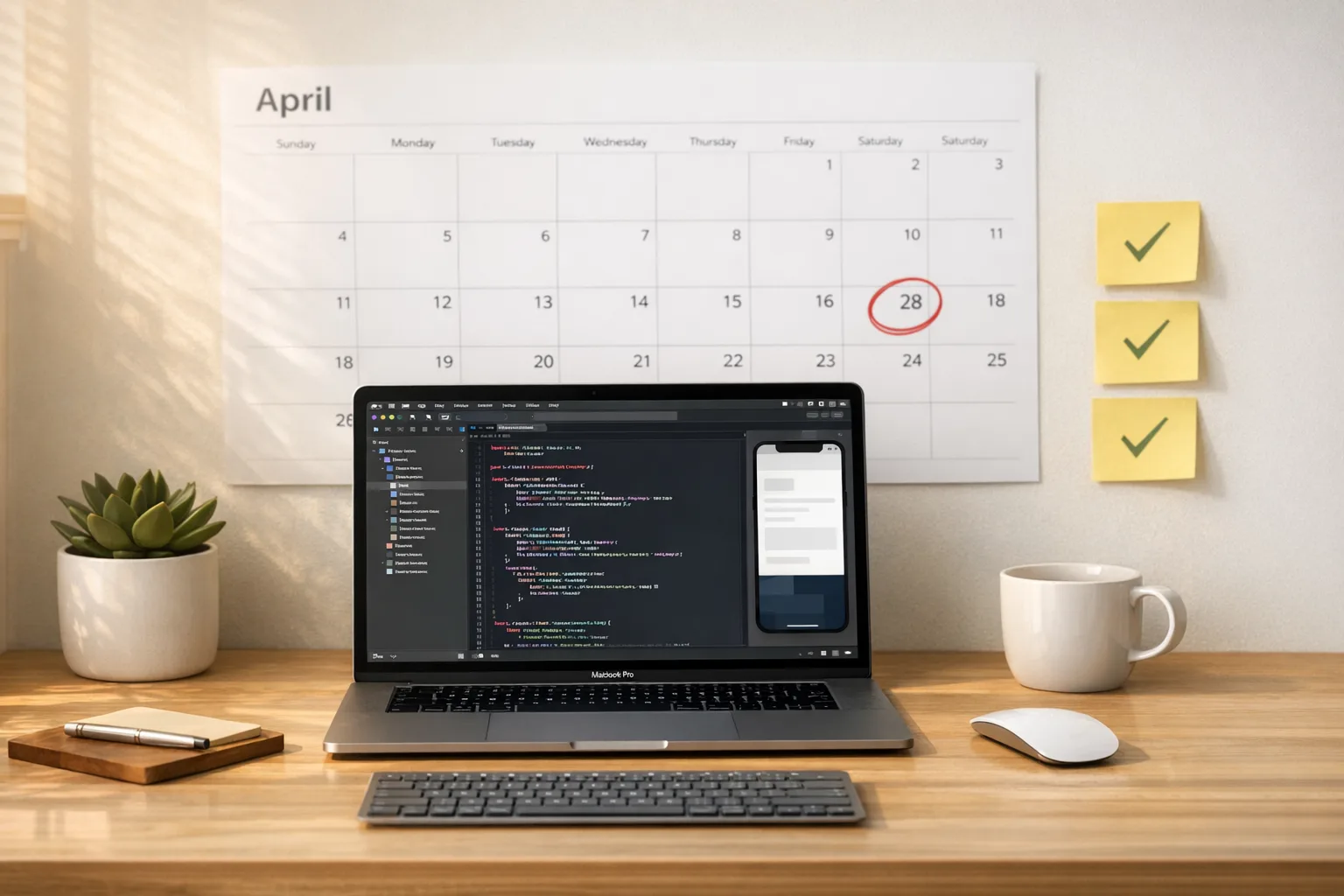
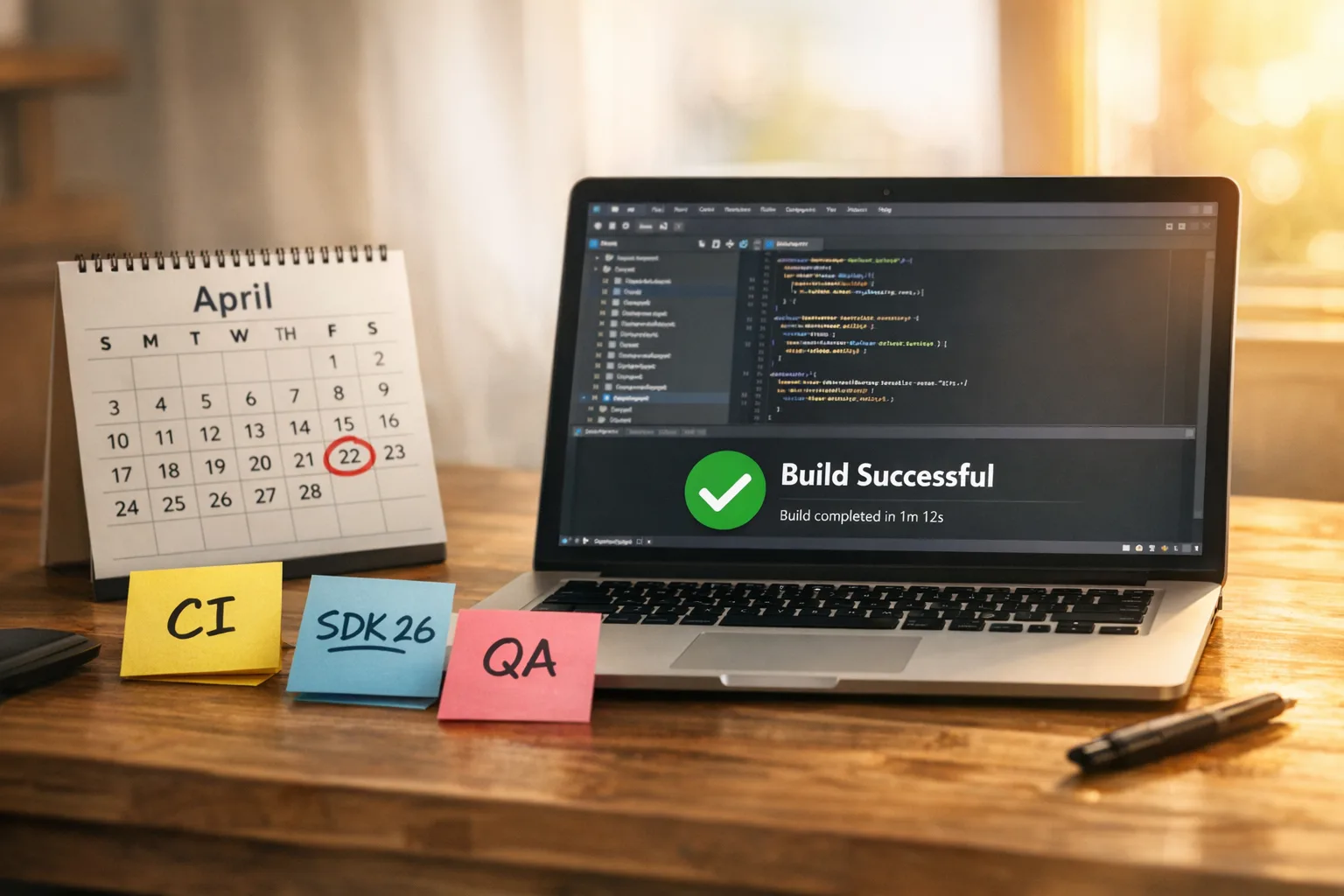
Mark these in your project calendar: February 13, 2026 (Android 17 Beta 1 live), March 2026 (Beta 2 with Platform Stability), and Q2 2026 (stable release expected between April and June). If your portfolio is cross‑platform, Apple has its own cutoff: starting April 28, 2026, App Store Connect requires builds compiled with the 26‑series SDKs in Xcode 26 or later. If your team juggles both platforms, budget time for parallel test runs. We put together a pragmatic guide for that transition in our App Store Connect 2026 ship‑ready playbook and a deeper Xcode perspective in this April 28 ship plan.
A two‑sprint Android 17 beta playbook
Here’s a cycle I’ve used with teams to de‑risk major Android releases without freezing feature work.
Sprint 1 (Week 1–2): Triage and guardrails
- Upgrade build lanes. Update AGP, Gradle, Kotlin, and Jetpack to versions known to work on API 37. Create a separate beta build variant with extra logging and strict networking policies.
- Adaptive audit blitz. Run the readiness checklist on your top five revenue‑critical screens. Open issues with device/posture/size repro steps and screenshots.
- Network hardening. Add a Network Security Config; globally disable cleartext. Re‑enable it per host only if needed. Log any cleartext attempts.
- Profile the UI loop. Capture frame metrics on a mid‑tier device; pin a budget (e.g., keep 95% of frames under 16.6ms on key screens). Flag regressions early.
- SDK inventory. Ask vendors for Android 17 compatibility notes and ETA if they hook internals or ship custom video encoders/decoders.
Sprint 2 (Week 3–4): Fixes and confidence
- Land adaptive fixes. Adopt responsive scaffolds, move expensive UI work off the main thread, and stabilize navigation state through rotations and window resizing.
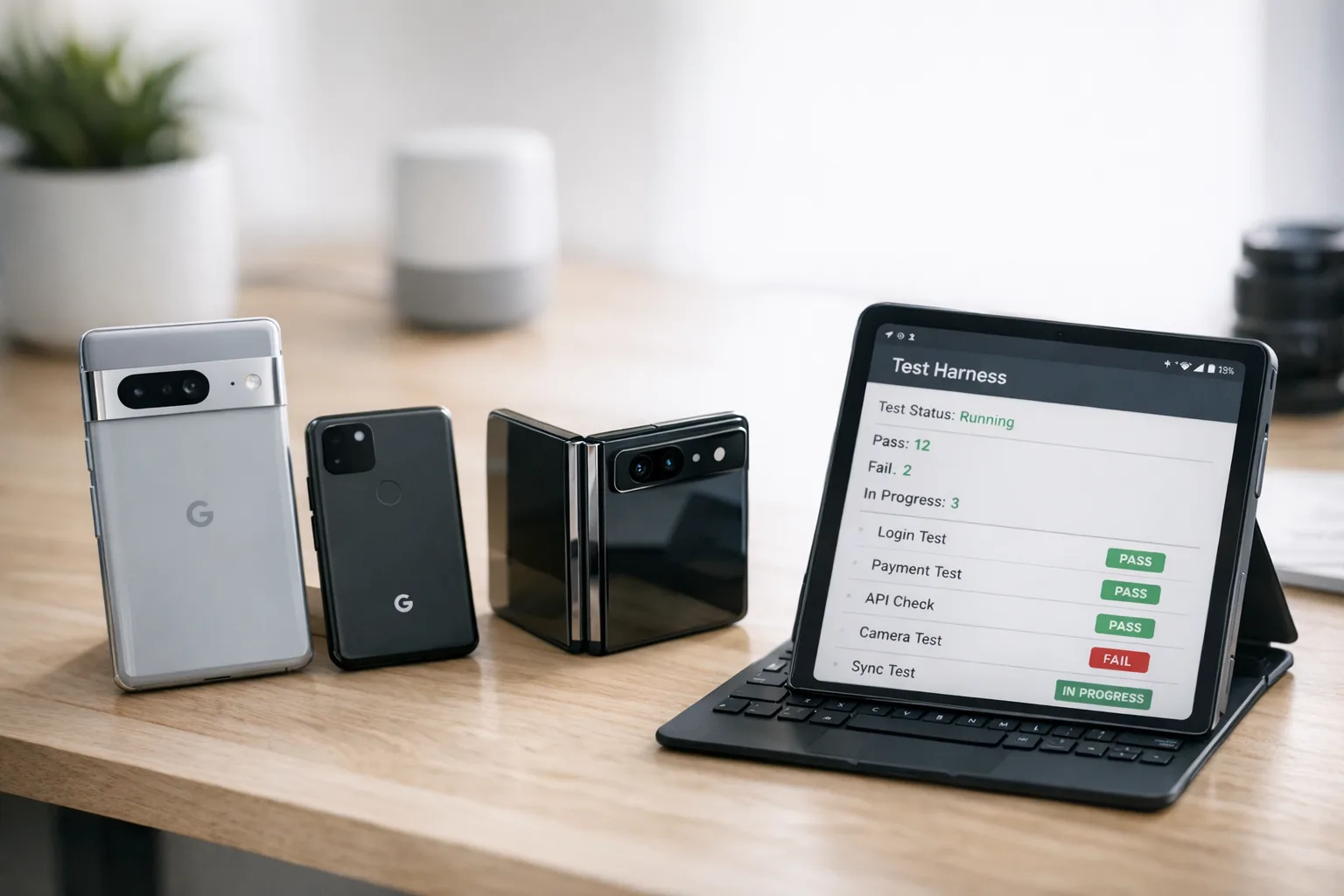
- Camera & media testing. Build a small test app to validate lens transitions, loudness rules, and codec availability (including VVC). Decide your codec ladder by device capabilities.
- Connectivity polish. Tune Wi‑Fi ranging thresholds and companion device flows. Ensure permission copy is explicit, with easy opt‑outs.
- Regression matrix. Test on Android 16 and Android 17 beta with the same scenarios. Your goal is convergence—if a fix helps both, prioritize it.
- Ship an internal beta. Dogfood with your support and success teams. Train them on known issues and escalations.
API gotchas and subtle breakpoints
Every release hides sharp edges. These are the ones I’d spike early:
- Reflection hazards. Any code that assumes private fields on
MessageQueueor related classes will break unpredictably. Purge and replace now. - Static finals changes. Compiler/runtime tweaks can make some static final fields behave in ways that foil hot‑patching tricks. If you toggle constants at runtime via reflection (you shouldn’t), expect that to stop working.
- Insets and IME choreography. Adaptive layouts shift insets math. Verify focus, scroll, and IME visibility in split‑screen and on foldables with narrow panes.
- Third‑party analytics. Some older SDKs assume HTTP for speed. With cleartext tightening, those become silent failures unless you add explicit exceptions (don’t).
What to do next
Whether you lead product, engineering, or a studio, pick two actions this week:
- Book a 90‑minute adaptive audit. Walk through your top five screens on a tablet and a foldable. Log concrete issues with screenshots and window sizes.
- Set a TLS‑everywhere mandate. Add a Network Security Config with no global cleartext, and track exceptions with owners and deadlines.
- Stand up perf dashboards. Capture frame time percentiles and GC metrics on a mid‑tier device. Share them at standup. Celebrate deltas, not anecdotes.
- Rehearse your camera pipeline. If media is core, prove your lens transitions and codec fallbacks with a throwaway testbed you can keep updating through betas.
- Schedule a cross‑platform sync. If you also ship on iOS, align Android 17 fixes with the April 28 Xcode 26 build cutoff to avoid context switching later. Our ship‑before‑Apr‑28 guide outlines a pragmatic cutover.
Need a second set of hands?
If your team’s juggling feature pressure with platform deadlines, bring in a crew that’s done this dance. Our consultants at Bybowu Services help studios and enterprises adopt adaptive layouts, harden networking, and hit store deadlines without blowing up velocity. Want to see how we ship? Browse a few client case studies or just reach out and we’ll map a two‑sprint plan to your stacks and dates.
Zooming out
Android 17 beta doesn’t demand heroics; it demands discipline. Treat adaptive layouts as a product requirement, not a nice‑to‑have. Close the chapter on cleartext once and for all. Bank the performance gains by removing your own bottlenecks. Do those three things before Platform Stability in March, and the Q2 release stops being a fire drill and becomes a non‑event—exactly what mature teams aim for.

Comments
Be the first to comment.