
Xcode 26 Requirement: Your April 28 Readiness Plan
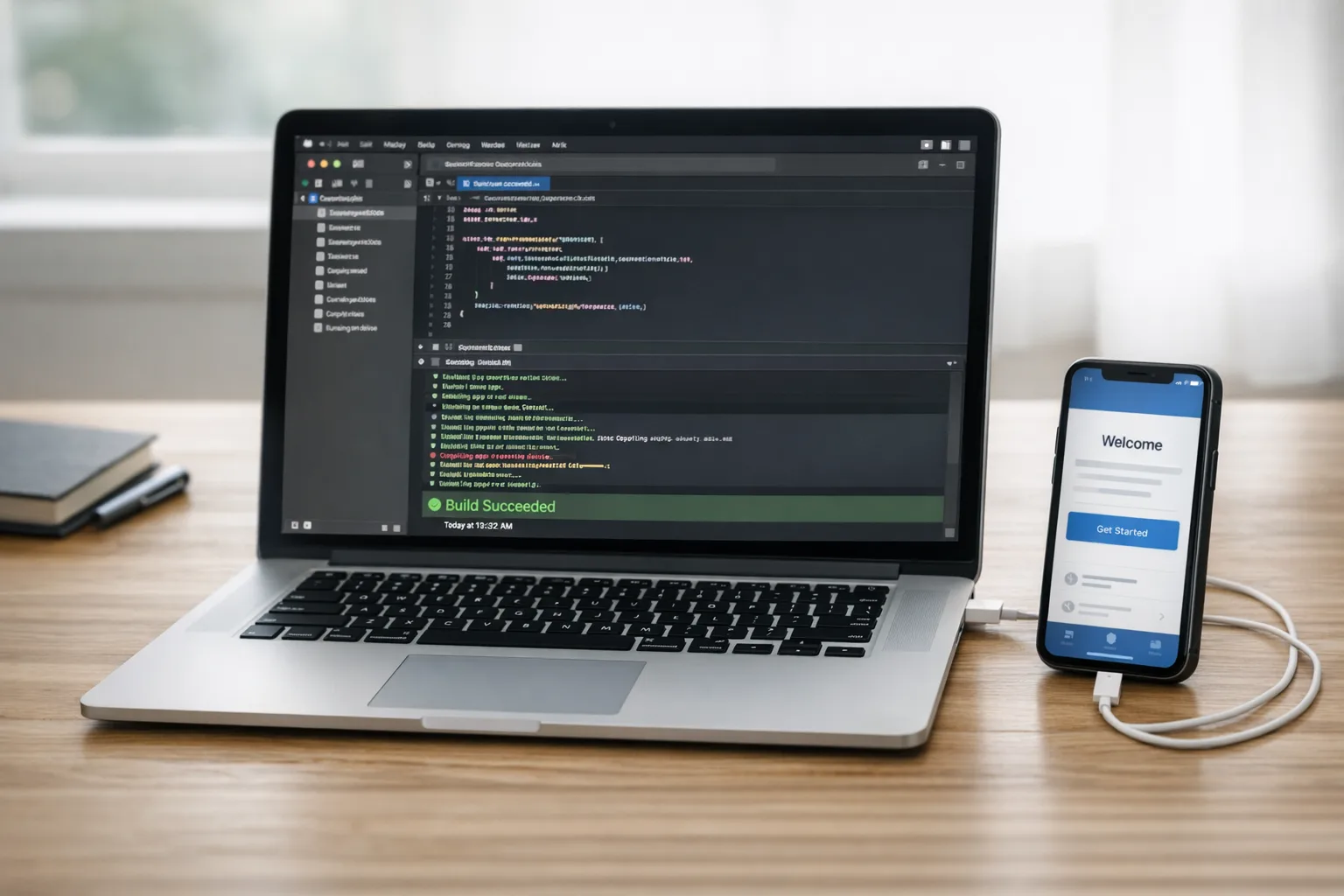
The Xcode 26 requirement lands on Tuesday, April 28, 2026. After that date, App Store Connect will only accept builds compiled with Xcode 26 or later using the 26‑series SDKs across iOS, iPadOS, watchOS, tvOS, and visionOS. If you don’t adjust your toolchain, pipelines, and test lab now, your next release train risks a same‑day stall. Here’s a practical, opinionated plan I’ve used with teams to ship confidently under new App Store rules.
What exactly changes on April 28, 2026?
Apple will begin enforcing minimum SDK tooling for submissions. In plain English: your archives must come from Xcode 26 (or later) and the app must be built against the 26 SDK for the relevant OS. That includes iOS 26, iPadOS 26, watchOS 26, tvOS 26, and visionOS 26. If you try to submit with Xcode 25 or older SDKs, you’ll be blocked at upload.
There’s a related policy worth remembering: Apple’s age rating system was updated earlier this year, and the new categories apply across devices running the 26‑series. If you haven’t answered the refreshed age‑rating questions for each app, do it now or you’ll hit friction the next time you push an update.
Will my current pipeline break under the Xcode 26 requirement?
Here’s the thing: many pipelines won’t “break” loudly. They’ll keep producing IPAs and XCArchives just fine—until App Store Connect rejects them. The failure mode is a late surprise. Avoid that with proactive, machine‑readable checks:
Embed a guard in your CI right after archive, before notarization or export:
plutil -p "$(pwd)/Payload/MyApp.app/Info.plist" | grep -E 'DTXcode|DTPlatformVersion'
/usr/bin/xcodebuild -version
Look for an Xcode 26 build number and a platform version matching 26.x. If those fields don’t match, fail the job with a human‑readable message: “Submission blocked: Rebuild with Xcode 26.x (26‑series SDK).”
The 30‑day upgrade plan that actually ships
If you’re 30 days out, you can still make it. This is the lean plan I’ve coached teams through—focused, linear, and intentionally boring:
Week 1: Baseline, branch, and block regressions
Start with a protective baseline. Create a short‑lived release branch off main. Flip your CI runners to Xcode 26 on that branch only, and keep main on the current toolchain for a few days. Add “warnings as errors” for Swift/Clang where it’s safe and turn on your static analyzer pass. The goal is fast signal on code that’ll break under the new compilers.
Next, inventory dependencies. For Swift Package Manager, run a fresh resolve and pin exact versions. For CocoaPods, update repo specs and lock your Podfile.lock after updates. If you still use binary frameworks, confirm they ship slices for the new SDK and relevant architectures. A quick script can scan your frameworks directory and flag anything built with older toolchains.
Week 2: CI/CD, signing, and store metadata
Move your CI entirely to Xcode 26. Explicitly select it with xcode-select -s in your runners and echo the path in logs for audits. Regenerate signing assets as needed and ensure your ExportOptions.plist still fits your distribution. While you’re here, update App Store metadata: the new age‑rating answers, screenshots for any new device classes (hello, visionOS if you’ve added it), and privacy details if your SDK mix changed.
Finally, establish a smoke‑test promotion flow: build → testflight (internal) → testflight (external) → phased App Store release. Don’t leave that choreography to release day.
Week 3: Device lab and crash‑first testing
Modern iOS development lives or dies on real hardware. Update your device lab to include at least: one recent iPhone on iOS 26.x, an iPad on iPadOS 26.x, an Apple Watch on watchOS 26.x if you ship a companion app, an Apple TV on tvOS 26.x if applicable, and a headset or simulator coverage for visionOS 26.x if you support it. Prioritize startup, sign‑in, networking, purchase flows, and any privacy‑sensitive surfaces first—those are the brittle edges when compilers and SDKs shift.
If you use crash reporting, increase your sample size on TestFlight external groups this week. Expect different line numbers and symbol formats when compilers change; validate your symbol upload flow now so you’re not reading gibberish stacks later.
Week 4: Release hardening and rollback muscle
Cut a release candidate. Run canaries in production if you have server‑toggled features. Stage your rollout and set a firm rollback trigger (error budgets, crash thresholds, or checkout failure rates). The last mile of a tooling migration is all about guardrails; keep your operational playbook handy, not just your Xcode.
Enterprise heads‑up: MDM and SDK alignment
Enterprise and regulated apps have extra moving parts. If you wrap your app or embed an MDM/EMM SDK, validate that the vendor’s latest package is certified for Xcode 26. For example, Microsoft’s Intune SDK and wrapper publish explicit version minimums tied to the toolchain. If you’re under those minimums, users can be blocked from launching managed apps after enforcement windows. Don’t wait—pull the latest SDKs, review their release notes for entitlement or ATS changes, and retest auth, app config, and SSO.
Also confirm your enterprise distribution paths (MDM internal stores, volume purchasing, or private distribution) accept archives produced by Xcode 26 without extra signing quirks. Some orgs add a re‑signing step in CI; double‑check that step doesn’t strip symbols or entitlements your new build actually needs.
People also ask: common Xcode 26 questions
Do I have to raise my minimum OS version to submit?
Not necessarily. The Xcode 26 requirement is about the toolchain and SDK you compile against, not the minimum OS your app supports. That said, third‑party libraries sometimes drop support for older OS versions when they adopt new language or SDK features. If a key dependency forces your hand, decide quickly whether to upgrade the library or pin it and isolate its usage.
Can I still submit with Xcode 25 after April 28?
No. App Store Connect’s submission gate checks the toolchain and SDK metadata inside your app. Older Xcode builds will be rejected at upload.
How do I verify which Xcode produced my build?
You don’t have to guess. Unzip your IPA and inspect the embedded Info.plist fields:
unzip -q MyApp.ipa
plutil -p Payload/MyApp.app/Info.plist | egrep "DTXcode|DTPlatformVersion|DTSDKName"
/usr/bin/xcodebuild -version
Those fields should reflect Xcode 26.x and the 26‑series SDK. Add this snippet to CI and fail early if the values drift.
Will my test devices on older iOS still work?
Yes, if your minimum OS allows it. But test on the 26‑series first, then sanity‑check older devices that are still in your target audience. The hot spots to watch are binary frameworks and system APIs that tightened behavior in 26.
CI/CD specifics: make the new toolchain boring
Most delivery delays come from CI drift, not code. Here’s how to keep Xcode 26 boring at scale:
Pin your runner image and Xcode path explicitly. In GitHub Actions, declare a specific macOS image and set DEVELOPER_DIR to Xcode 26’s path. Validate the simulator list with xcrun simctl list so your UI tests target 26‑series devices. If you run self‑hosted macOS builders, rotate them now—don’t attempt in‑place upgrades on the eve of a release. We maintain a separate fleet when a new Xcode line arrives and decommission the old one after the first successful store submission.
Next, add a preflight task that checks your Cocoapods/SPM graph, run agvtool or your versioning script, and confirm your export options point to the correct signing method. Then cache the derived data and SPM artifacts keyed by the Xcode build number; this avoids subtle ABI or Swift‑frontend cache mismatches between minor 26.x updates.
Finally, enforce a post‑archive notarization and dSYM upload step. If you ship macOS or share code with it, notarization rules can surface weak points you didn’t anticipate when you bumped compilers.
For more on runner strategy under tight deadlines, I outlined a dedicated plan in our GitHub Actions self‑hosted runner playbook; adapt those steps if you’re moving to a private farm for stability and speed.
Dependency hygiene under new SDKs
Toolchain shifts are a great excuse to clean house. My pragmatic sequence:
First, thin your graph. Remove abandoned frameworks and redundant analytic SDKs you don’t use anymore. Fewer moving parts mean fewer surprises when the compiler tightens checks.
Second, upgrade in rings. Update low‑risk leaf packages first (formatters, UI components), then core cross‑cutting SDKs (networking, auth). After each ring, cut a build, run smoke tests, and checkpoint with your QA lead.
Third, check transitive privacy. When you update marketing or analytics SDKs, your declared data collection can change. Because age ratings and privacy disclosures feed store review, reconcile your data map with product and legal before you submit.
Test matrix that actually catches April 28 issues
Don’t chase 30 devices; pick the ones that break things:
- iPhone performance skew: test one recent flagship and one older but still supported device. Focus on launch time, input latency, and memory pressure.
- iPad class behaviors: multitasking, keyboard, pointer, and large‑layout bugs often surface after major SDK shifts.
- Watch and TV: verify background refresh, notifications, and remote/session handoff flows.
- visionOS: if you support it, run through entitlement prompts, windowing, and any 3D scene kit usage that may have compiler‑level changes.
Automate UI smoke tests for cold start, auth, and purchase flows. Everything else can ride manual focus testing unless you already have deep coverage.
Risk controls: ship fast, fail safe
New toolchains make even "boring" releases riskier. Add these controls for the two weeks around your submission:
- Feature flags: default risky features to off for the first 24–48 hours post‑release.
- Kill switches: server‑side shutdown for any non‑critical surface that proves unstable.
- Staged rollout: start at 5–10%, watch crash‑free sessions and core funnel metrics, then ramp.
- Rollback criteria: if crash‑free users drop below your threshold or checkout errors spike, halt and roll back immediately.
Also, rehearse the worst case: can you build, tag, and submit a hotfix within two hours? If not, fix the bottleneck (usually credentials, provisioning, or a flakey test gate).
The quick checklist: Xcode 26 readiness in one page
Use this as your stand‑up agenda for the next two sprints:
- CI uses Xcode 26.x exclusively on release branches; path pinned and logged.
- Archive guard checks
DTXcode,DTPlatformVersion, andDTSDKNamevalues. - SPM/CocoaPods graph updated; binary frameworks rebuilt with 26 SDKs.
- Device lab covers iOS/iPadOS/watchOS/tvOS/visionOS on the 26‑series.
- Privacy and age‑rating metadata updated in App Store Connect.
- Crash symbol upload validated; stack traces readable from TestFlight builds.
- Enterprise SDKs/wrappers (e.g., MDM/EMM) updated to versions certified for Xcode 26.
- Release choreography rehearsed: internal TF → external TF → phased release.
- Feature flags and kill switches wired; rollback criteria documented.
- One person clearly owns the April 28 submission window.
Zooming out: why Apple does SDK push deadlines
Apple’s periodic SDK enforcement keeps the ecosystem current on security updates, platform capabilities, and developer tooling. It’s inconvenient in the short term, but it reduces fragmentation and bug tail risk for users. Treat these dates as recurring operational rhythms, not one‑off emergencies. The best teams bake toolchain upgrades into their quarterly planning and keep a warm branch ready for the next cutoff.
Where this intersects your broader roadmap
The timing matters. If you also run Node‑backed services, your web stack may be facing its own lifecycle deadlines this spring. Align your mobile cutoff with server upgrades so QA can validate end‑to‑end behavior once, not three separate times. If you want a concrete server‑side schedule to mirror your mobile plan, we’ve published a concise upgrade guide you can adapt.
For deeper mobile operational tactics and pricing for implementation support, see what our team offers, browse past engagements, or reach out directly. We’ve helped teams move entire fleets to new toolchains without missing a release train.
You can start with these related resources:
- Practical guidance in Xcode 26 Requirement: What Teams Must Do Now for a near‑term to‑do list.
- Runner strategy in GitHub Actions Self‑Hosted Runner: March 2026 Plan if you’re refreshing build machines.
- Backend lifecycle planning in Node.js EOL 2026: Your 45‑Day Upgrade Playbook to align server timelines.
What to do next (developers)
Today: point a feature branch at Xcode 26 and add the archive guard. By Friday: resolve and pin your dependency graph, update enterprise SDKs, and produce an internal TestFlight build. Next week: expand device tests to the 26‑series and open external TestFlight. In two weeks: cut an RC, stage your rollout, and be ready to flip feature flags if metrics wobble.
What to do next (product and engineering leads)
Lock the April calendar for release activities around the Xcode 26 requirement. Reduce scope churn in the two weeks prior, and give your release owner the authority to cut or defer features that threaten the schedule. Confirm your support and marketing teams know the rollout plan and have clear messaging if users hit issues on day one. If you want hands‑on help, our mobile delivery services are built for exactly this window—and you can contact us for a quick readiness review.
Final thought
Deadlines concentrate the mind. The Xcode 26 requirement isn’t a surprise—and it doesn’t have to be a fire drill. Make your toolchain upgrade boring, your tests intentional, and your release plan mechanical. Do that, and April 28 becomes just another Tuesday you ship.








Comments
Be the first to comment.