
Beat the December 2025 Core Update: A 6‑Week Plan
The December 2025 core update began on December 11 and wrapped on December 29 after an 18‑day rollout. If you saw rankings dip during or after that window, the cause-and-effect likely ties to this broad rebalancing. And here’s the thing: you don’t have to wait for the next named update to see improvement. On December 10, Google updated its guidance to emphasize ongoing, smaller core changes that can reward genuine fixes sooner. This article gives you a pragmatic, six‑week path to recover—centered on intent clarity, helpful content, and provable trust.

What actually changed with the December 2025 core update?
Core updates are broad, but the effects tend to cluster. In December, several patterns stood out across accounts and industry data:
First, the bar for intent alignment moved higher. Pages trying to straddle informational and commercial intent on the same URL were outperformed by pages that commit to a single job: teach clearly, compare directly, or help decide. Second, signals associated with helpfulness and credibility—freshness, first‑hand experience, and transparent authorship—correlated with stability through the rollout. Third, volatility wasn’t confined to the classic ten blue links. Discover, news carousels, and AI/summary surfaces were choppy, which amplified traffic swings for publishers that rely on those modules.
Zooming out, this update didn’t target one content type; it reweighted how systems assess relevance, quality, and trust across the web. It also landed against the backdrop of ongoing enforcement against site reputation abuse—the practice of publishing low‑oversight third‑party pages on strong domains to hijack their ranking signals. If your site hosts contributed content, make sure editorial review and topical relevance are real, not checkbox theater.
Use data, not vibes: a 90‑minute diagnostic
Before you rewrite anything, isolate the mechanics of your drop. Here’s a fast, repeatable workflow I use with teams.
1) Align timing to the rollout
Segment performance by day from December 1 to January 3. Mark the period December 11–29. If declines begin before the 11th, you’re likely seeing issues unrelated to the core update (crawlability, a release regression, or seasonal mix). If the first big step change happens between the 11th and 29th, proceed.
2) Separate surface by surface
In Search Console, break out Web, Image, Video, and News. If Discover is relevant, evaluate it separately—its swings can dwarf Search. Diagnose by surface to avoid cross‑contaminated conclusions.
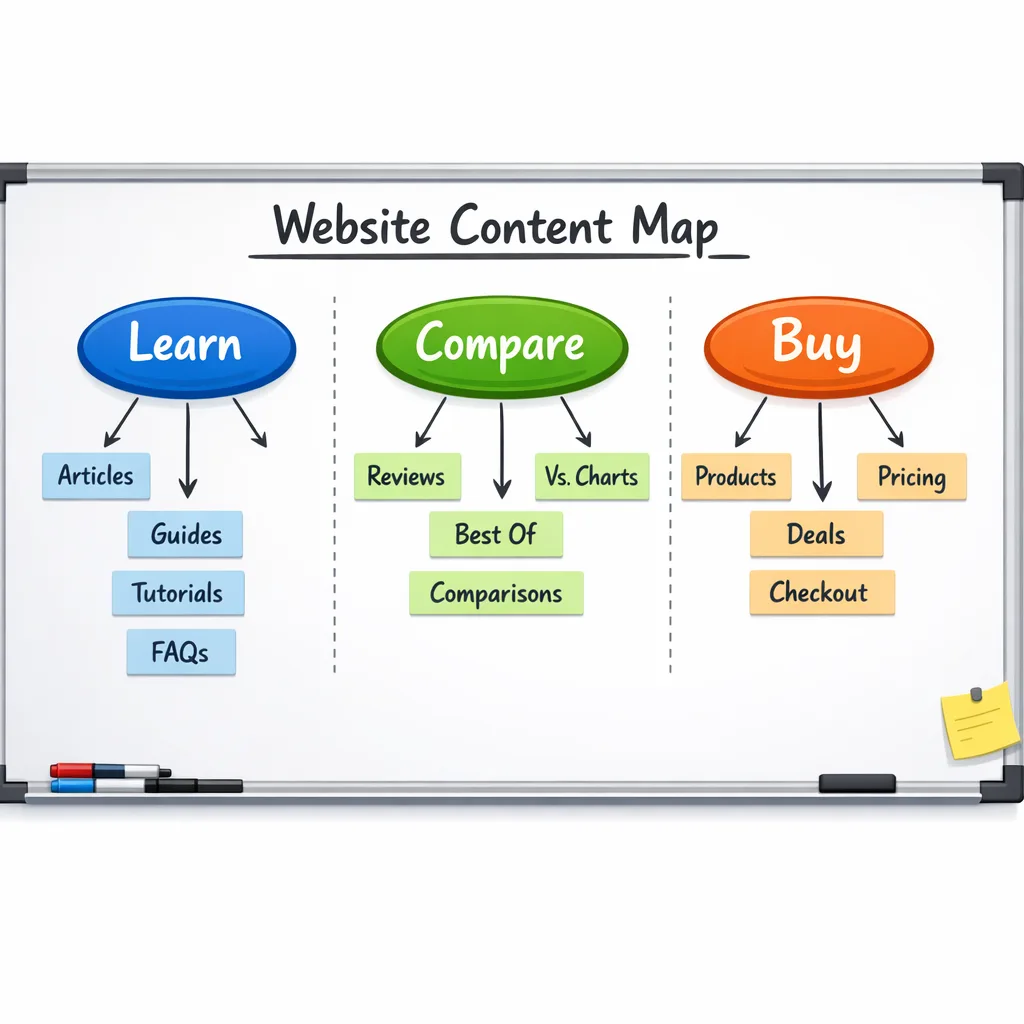
3) Cluster by intent, not keyword
Export queries and landing pages for winners and losers. Label each cluster as informational (learn), commercial investigation (compare), or transactional (buy/try). If a page was ranking for mixed intents pre‑update, note that as a risk. You’re looking for patterns like “our guides rank, but our blended guide + CTA pages tanked.”
4) Run a SERP reality check
For three to five lost queries per cluster, inspect current results in an incognito window on mobile. Note the composition: AI summary, featured snippet, video, People Also Ask, comparison modules, local pack. If Google is now framing the query as how‑to or head‑to‑head comparison, your catch‑all page won’t win; build the right asset.
5) Trust gap quick scan
Open the losing pages. Can a stranger verify who wrote the piece, why they’re qualified, and when it was last meaningfully updated? Are there specific citations, screenshots, or data to support claims? If not, you’ve identified a fix that doesn’t require guesswork.
The intent‑layer audit (and why it wins now)
Most post‑update losses trace to intent ambiguity. Here’s the practical rubric I use with editors and product marketers:
- Informational pages: Lead with clear answers, then expand. Remove pushy CTAs in the first screen; link to deeper how‑tos and credible references. Add author credentials and date updates.
- Commercial investigation: Make comparisons explicit. Tables, criteria, and scenarios beat prose. Include honest trade‑offs and who each option is for.
- Transactional: Prioritize task completion. Pricing clarity, risk‑reversal (free trial, refund), and implementation prerequisites should be visible without scrolling.
When in doubt, separate intents across URLs. You can still interlink them to preserve journey continuity.
FAQ: the questions teams keep asking
How long does recovery take after a core update?
You can see movement in days if your fixes genuinely improve usefulness and clarity, because Google now reminds us it ships smaller core changes continuously. That said, full re‑evaluation of a site’s overall helpfulness can take weeks to months. Plan for quick wins within two to four weeks and compounding gains over one to three months.
Should we delete underperforming content?
Only if it’s unsalvageable. If a section exists purely for rankings and offers no real user value, removing it can help your stronger pages be re‑assessed more clearly. Otherwise, prefer consolidation and a rewrite with tighter intent and better proof.
Did AI‑assisted content get penalized?
No. Low‑value content did. If your AI‑drafted article reads like a template and adds nothing original—no data, no firsthand perspective, no decision support—it will struggle. Keep AI in the toolbelt, but publish only what your team would sign with their name.
Content that lands now: what to build (and what to retire)
Let’s get practical. For each high‑value topic cluster, build three assets and retire one.
Build:
- Intent‑pure explainer that answers the core question in six to eight sentences before branching into depth.
- Comparison page with a criteria table (3–7 criteria), pros/cons sections, and a “best for” row based on scenarios.
- Implementation guide with prerequisites, version numbers, and a troubleshooting section that names failure modes you’ve actually seen.
Retire: Blended pages trying to educate, compare, and convert in one place. They confuse users and today’s ranking systems.
If you work in regulated, security‑sensitive, or B2B environments, bring proof. Screenshots of settings, commands, version constraints, and real timelines help enormously. If your stack includes supply‑chain‑sensitive components, harden them as you ship new content—this guide pairs well with our 2026 software supply chain playbook.
Technical hygiene that actually moves the needle
Yes, speed still matters. But performance work pays back only when it enables the user task. Make sure the basics are tightened:
- Core Web Vitals: Get INP to “good” (≤200 ms) and stabilize CLS. Don’t chase micro‑optimizations until you fix main‑thread blockers, oversized JS, and layout shifts from late‑loading ads or embeds.
- Mobile UX: Test critical journeys on a mid‑range Android device over a throttled connection. If the main CTA or comparison table is clipped, fix the CSS before tweaking copy.
- Indexation discipline: Noindexed paginated cruft, parameter variants, and thin tag pages. Ensure your canonicalization reflects how you want clusters to rank.
- Change logs: Keep release notes tied to URL groups. If traffic drops align with deploys, you’ll find regressions faster.
E‑E‑A‑T you can prove
Trust signals aren’t abstract. Add these to your templates:
- Authorship with credentials and a short “why me” note linking to a bio.
- Last updated with what changed (not just a date stamp).
- Verifiable sources: cite official docs, release notes, and standards bodies; link out where it helps the reader.
- Evidence of experience: screenshots, command output, benchmark tables, or a “what failed in our test” box.
- Business transparency: address, pricing page, and customer policies accessible in one click.
If you’re rebuilding trust after a steep drop, give stakeholders a runway: publish a public changelog on your site and update it as you land fixes. If you need help prioritizing, our team’s technical SEO sprints focus on exactly these levers.
Discover and AI surfaces: plan for turbulence
Discover and AI‑style summaries saw heavy fluctuation through the December window. Treat them as bonus traffic, not your baseline. For Discover, lean into original visuals, unique angles, and timely updates; for AI summaries, structure content to surface crisp definitions, steps, and criteria that a summarizer can quote accurately. But don’t redesign your entire site for these surfaces—optimize your core pages for humans first and ensure the structured elements (headings, lists, tables) are parsable.
People‑first, policy‑compliant: mind the third‑party line
If you host contributed content, ensure it’s topically relevant and genuinely reviewed. Label sponsorships, add editorial standards, and avoid publishing thin pages under your domain just to capture long‑tail queries. That practice has been in the crosshairs under the “site reputation abuse” policy; December didn’t introduce it, but enforcement pressure didn’t go away.
Weekly cadence: your 6‑week recovery sprint
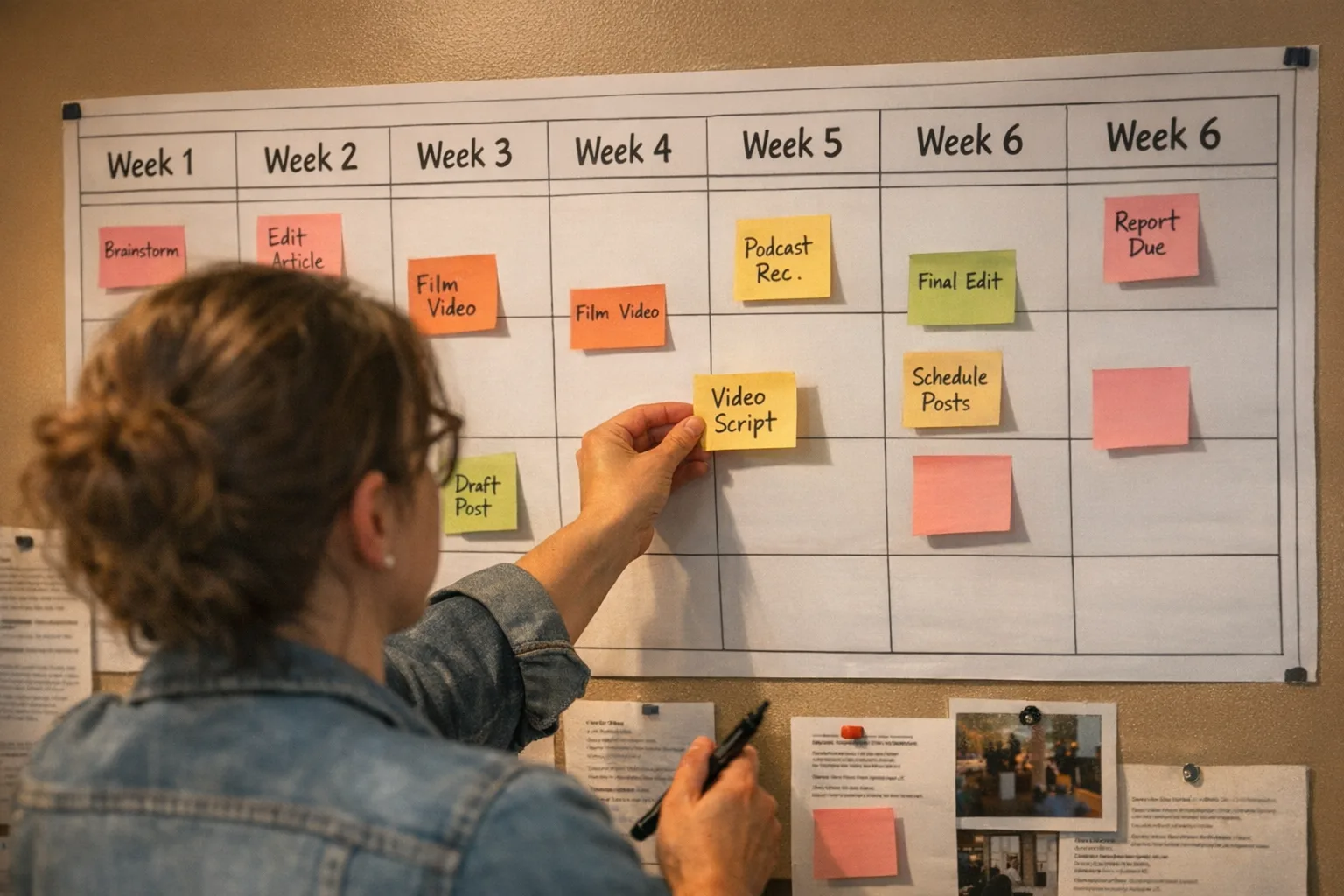
Here’s a schedule I’ve used with in‑house and agency teams to regain traction without burning out.
Week 1: Triage and scope
Complete the 90‑minute diagnostic. Pick three clusters where impact and revenue potential intersect. Freeze non‑critical experiments that complicate measurement. Brief stakeholders with a one‑page plan and expected recovery windows.
Week 2: Rebuild the canonical page
For Cluster A, ship one intent‑pure canonical page. Strip mixed messaging, add an answer‑first intro, and include two proof elements (screenshot + data point). Link out to authoritative sources. Add author credentials and an update note at the bottom.
Week 3: Comparison asset and internal links
Publish a head‑to‑head comparison or buyer’s guide for Cluster A. Add a criteria table and clear “best for” recommendations by scenario. Interlink with the Week 2 canonical via descriptive anchors, not raw “click here.”
Week 4: Technical pass and UX polish
Run Core Web Vitals on the two new pages and the top legacy page in Cluster B. Fix the biggest layout shift and main‑thread offender. Validate structured headings and remove intrusive interstitials or heavy hero videos that delay content.
Week 5: Repeat for Cluster B
Ship the canonical and comparison asset for Cluster B. Consolidate or retire one blended page, redirecting to the new canonical. Publish a short change log describing what changed and why.
Week 6: Trust and distribution
Add author bios to the revamped pages, embed first‑hand examples, and push an updated case study or story to support your claims. Pitch the comparison asset to partners who will genuinely find it useful; a handful of relevant mentions beats spray‑and‑pray link drops.
What to measure (and when)
Check leading indicators twice weekly: query diversity on the revamped pages, impressions for your new comparison tables, and placement in People Also Ask or featured snippets for your short answers. By the end of Week 3, you should see impressions lifting even if clicks lag; by Weeks 4–6, expect ranking stabilization on mid‑tail terms. If nothing moves, revisit intent mapping and the competitive SERP layout—your page might still be answering the wrong question.
A quick note on analytics and attribution
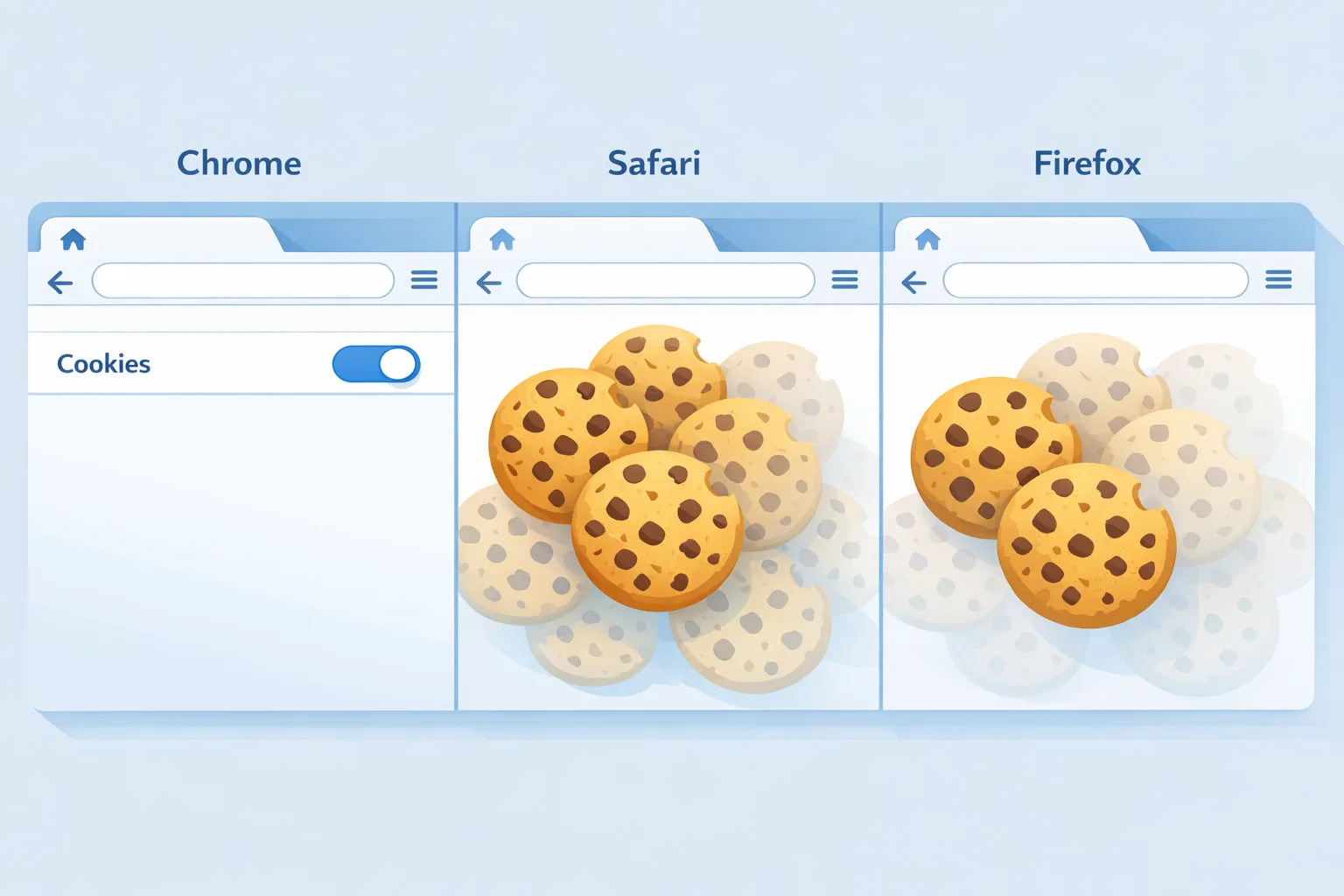
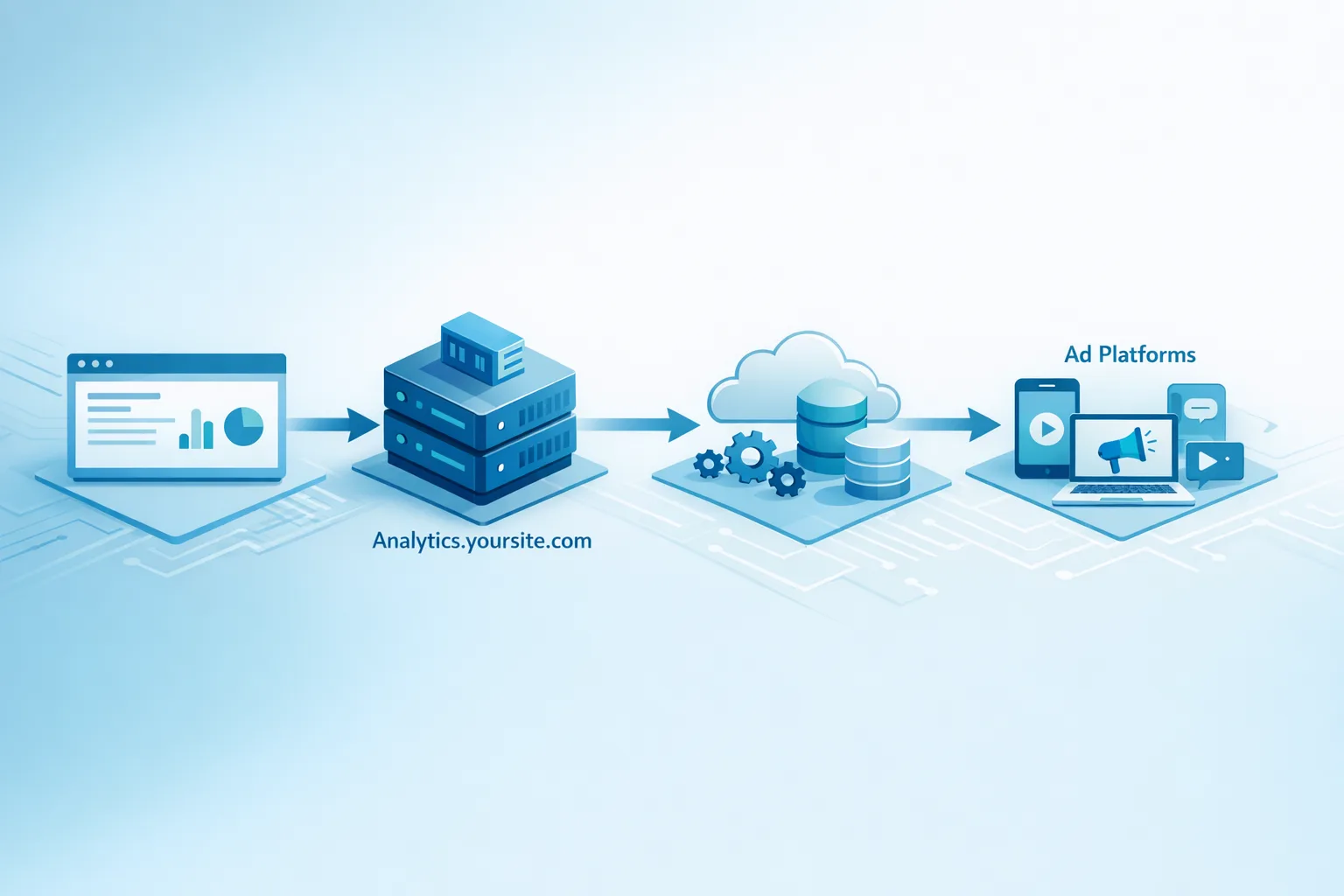
Core update analysis is slower when your analytics signals are noisy. If your organization is rethinking measurement in 2026—because of browser privacy dynamics or cookie reliance—ground your recovery work in clean events and server‑side resilience. We’ve covered the tradeoffs and realistic timelines in our guide to third‑party cookies in 2026; align your SEO measurement with that plan so you aren’t flying blind.
Executive tl;dr you can share
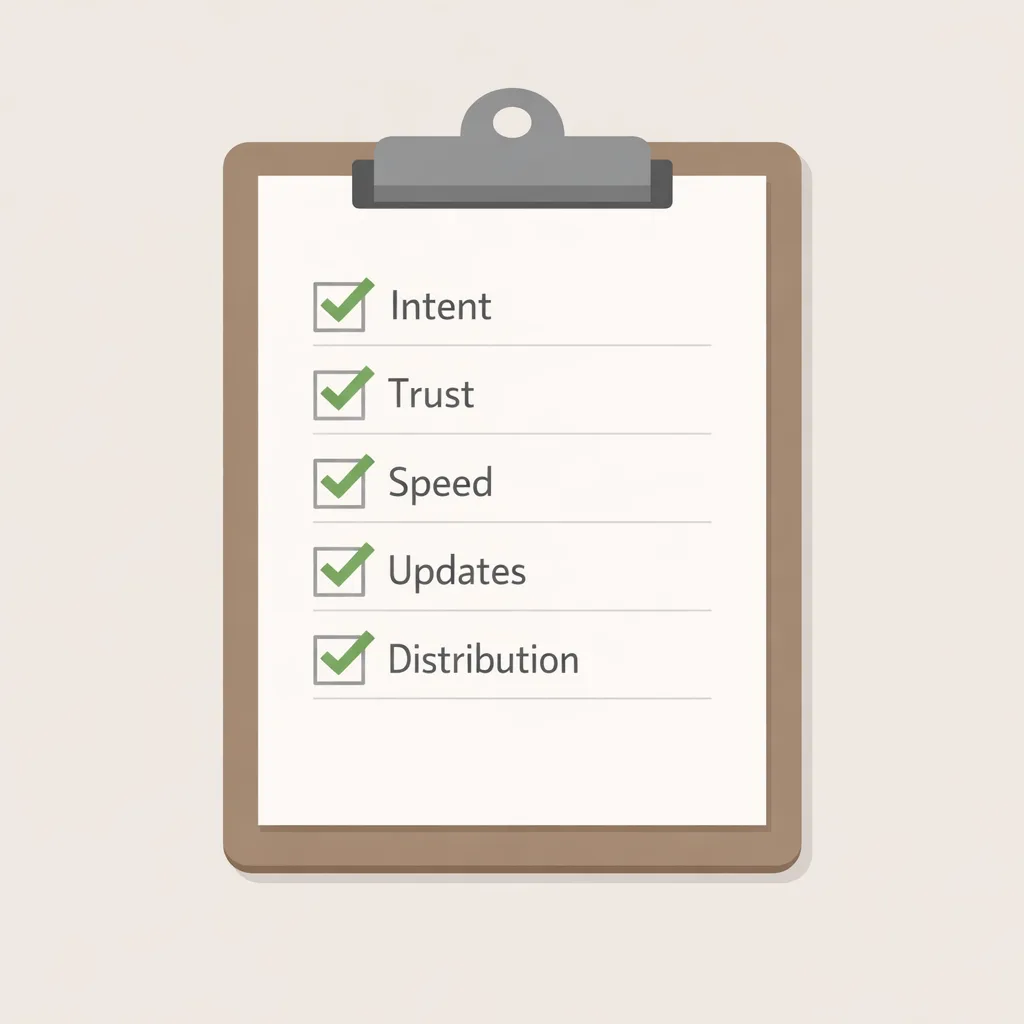
Traffic changes around December 11–29 likely tie to the December 2025 core update. Google’s guidance (updated December 10) says genuine improvements can be recognized between named updates. Make pages intent‑pure, prove trust with credentials and evidence, tighten CWV, and sequence work across a six‑week sprint. Treat Discover and AI summaries as volatile; build your baseline on helpful, verifiable content. If you want a shorter, day‑by‑day version, start with our 30‑day recovery plan and layer the trust and comparison work on top.
What to do next
- Run the 90‑minute diagnostic and pick three clusters.
- Ship one intent‑pure canonical and one comparison page within three weeks.
- Add bios, update notes, and two proof elements per page.
- Fix one INP blocker and one CLS issue that hinder readability.
- Document changes publicly and monitor impressions twice weekly.
If you need a hands‑on partner to sequence this work, talk to us about a focused engagement through our services or reach out on the contacts page. We’ve helped teams recover from previous updates by aligning editorial, UX, and engineering—fast and with a clear scorecard.



Comments
Be the first to comment.