
On December 11, 2025, the Ninth Circuit largely upheld a contempt finding against Apple for how it implemented App Store external links, while sending one piece back to the trial court: Apple may still be allowed to collect a reasonable commission on off‑app transactions if a proper framework is set. That means the 27% “link‑out” fee and heavy‑handed UI warnings that kneecapped conversions are out; a narrower fee tied to actual costs is back on the table.(reuters.com)
If you’re deciding whether to ship a web checkout, you now have clearer lanes and fewer gotchas—plus a new pricing question to model. Let’s unpack the ruling, translate it into product decisions, and walk through a deployment plan you can execute in days, not months.

What the Ninth Circuit actually decided
The appeals panel agreed Apple violated the 2021 anti‑steering injunction by imposing a 27% commission on web purchases following an in‑app link, restricting link formatting, and deploying full‑screen warnings that steered users away from non‑Apple payments. That conduct “subverted” the injunction’s aim to restore competition. The civil contempt finding stands.(theverge.com)
However, the panel held the lower court went too far by categorically banning all commissions on external purchases. It sent the case back to Judge Yvonne Gonzalez Rogers to craft a framework for a reasonable commission tied to real costs. Translation: Apple can’t use junk fees and dark‑pattern warnings to scare people off, but it may get some narrowly scoped compensation post‑remand.(reuters.com)
Context matters here. In April 2025, the district court blasted Apple’s earlier policy (single link, rigid formatting, 12–27% fee, plus scary interstitials) as willful noncompliance, even referring Apple and a VP to federal prosecutors for potential criminal contempt over misleading testimony about how the 27% fee was chosen. The Ninth Circuit didn’t disturb those factual findings.(cnbc.com)
App Store external links right now: what’s truly allowed?
Practically speaking, the appeals court confirmed that developers can present buttons or links leading users to a website to complete purchases. Apple cannot condition that right on link styles or full‑screen deterrent language that makes the external route less prominent than Apple’s own flow. Expect Apple to revise App Review guidance accordingly; the lower court will later set guardrails for any commission collection.(theverge.com)
Here’s the thing: Apple’s previously documented rules for specific programs—like the Reader App External Link Account Entitlement—imposed strict link styling (e.g., blue, underlined text, one link per page, no query parameters, no web views). Those came from Apple policy, not the injunction itself. The court’s decision signals that across the broader ecosystem, Apple can’t weaponize design restrictions to chill lawful linking—even if some program docs still say otherwise while Apple updates them. If you’re using a reader entitlement today, follow its terms until Apple publishes changes; but for broader anti‑steering compliance, the court just narrowed Apple’s levers.(developer.apple.com)
Can Apple still charge a fee on web purchases?
Not the old 27%. The Ninth Circuit rejected a blanket ban on all commissions and told the district court to figure out a reasonable framework tied to actual costs. We don’t have the percentage yet. Prepare for scenarios (0%, 3–5%, 10%+) and design your pricing toggles, messaging, and billing logic to absorb a new line item later without a release scramble.(reuters.com)
Can Apple dictate link formatting or force scary warnings?
The court agreed Apple’s prior link formatting rules and full‑screen warnings undermined the injunction. Apple can ensure parity—not overemphasis—but it can’t make external options less prominent or commercially unusable. That’s the boundary to design against while we await updated documentation.(theverge.com)
Timeline and what changed, by date
• 2021: District court enjoins Apple’s anti‑steering rules and requires allowing links/buttons to external payment mechanisms.(law.justia.com)
• April 30–May 1, 2025: Judge Gonzalez Rogers finds Apple in contempt over the 27% fee, restrictive link rules, and deterrent warnings; refers potential criminal contempt. Apple seeks stays and appeals.(cnbc.com)
• June 2025: Appeals court declines to halt changes pending appeal; developers like Amazon and Spotify begin shipping more direct web payment flows.(cnbc.com)
• December 11, 2025: Ninth Circuit upholds contempt, rejects a total fee ban, and remands to craft a reasonable‑fee framework.(reuters.com)
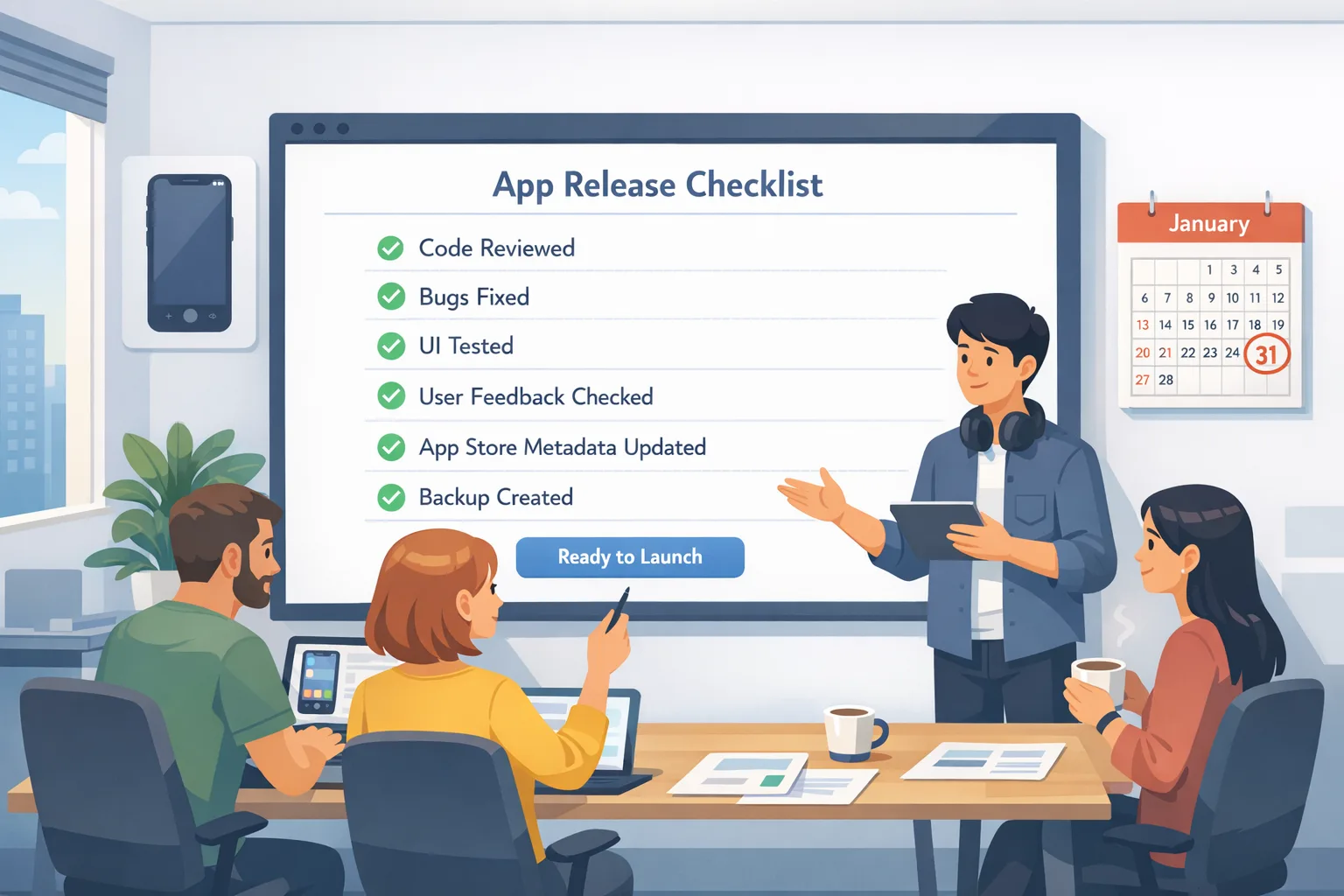
Your 10‑day build plan to ship a compliant, high‑conversion link‑out
Let’s get practical. If you run a subscription app, reader service, marketplace, course platform, or SaaS companion, here’s a sprint plan we’ve used with clients.
Day 1–2: Policy read‑through and risk map
• Identify whether you’re currently using the Reader App External Link Account Entitlement. If yes, follow existing program terms until Apple revises them post‑appeal; plan to lift limits once Apple updates guidance. Capture screenshots and App Review correspondence for your audit log.(developer.apple.com)
• Document your flows where Apple’s past rules constrained you (copy, placement, warnings). Flag quick wins unlocked by the ruling: equal prominence, removing deterrent language, using a real button, and placing the link at the decisive moment in your paywall.
Day 3–4: UX that converts without dark patterns
• Present “Pay on the Web” as a peer option to “Pay in App.” Avoid value‑judgment text. You can succinctly note benefits like “more payment methods” or “use corporate card,” but skip any language that could be read as disparaging Apple’s flow.
• Design for parity on typography, color, and position. The appeals court allows Apple to limit overemphasis; don’t make the web path garish relative to Apple’s purchase button.
Day 3–5: Routing, attribution, and data minimization
• Use HTTPS links that deep‑link to a mobile‑optimized checkout. If you’re on the reader entitlement today, don’t use query parameters while Apple’s doc still forbids it; instead, resolve attribution server‑side (e.g., short‑lived codes, post‑redirect storage) until guidance updates. For non‑entitlement apps anchored in the injunction, prepare to use campaign parameters when Apple’s docs catch up.(developer.apple.com)
• Implement Private Click Measurement or first‑party logs for funnel analytics; avoid fingerprinting. Treat the in‑app click as a consented, one‑hop conversion event stored in your systems.
Day 4–6: Web checkout readiness
• Offer all common rails: cards, PayPal/Venmo, Apple Pay on the web, bank transfer where relevant. Match your in‑app prices and taxes.
• For subscriptions, proration and grace periods should mirror in‑app behavior. Add pro‑rata refunds if you allow upgrades off‑platform.
Day 5–7: Billing logic for the coming fee
• Add a dormant “platform coordination fee” variable in your billing system, set to 0% for now. If the district court sets, say, 3–5%, you flip a switch and backfill reporting—no code rush.
• Keep GL accounts separate so you can show and remit any future fee accurately, with a paper trail for audits and disputes.
Day 6–8: App Review strategy
• Submit with a clear changelog: parity presentation, removal of deterrent language, and how your link respects privacy. Include a one‑pager citing the December 11 decision and the 2021 injunction to pre‑empt template rejections. Keep a cool tone; App Review is updating in real time.(theverge.com)
• If you’re in a gray area (e.g., you used the reader entitlement previously), ship the minimum compliant version this week and schedule a fast‑follow with richer tracking once Apple refreshes the docs.
Day 8–10: Marketing and lifecycle
• Update CRM sequences and paywall tests. Test copy like “Pay in app” vs. “Pay now” vs. “Complete on web.”
• Add reactivation nudges for abandoned web carts that originated in‑app. Use short‑lived tokens to tie sessions without query strings where program docs require it today.(developer.apple.com)
Revenue math: model three commission scenarios
Run the numbers so finance isn’t surprised when the court sets a fee framework. Assume $1,000,000 in annual iOS web‑checkout GMV (originating from in‑app link‑outs):
• 0% fee: $1,000,000 net before payment processor costs. Relative to a 15% in‑app commission, that’s up to $150,000 in contribution margin reclaimed.
• 5% fee: $950,000 net. Still roughly $100,000 better than a 15% in‑app cut on the same volume.
• 12% fee: $880,000 net. You’re still ahead of a 15% in‑app route and far ahead of 27%.
Adjust for processor fees (2.9%+30¢ in the U.S. card standard), fraud tooling, and support load. The key is optionality: steer high‑value cohorts (B2B, annuals) to web, keep casual consumers on in‑app for speed.
People also ask
Does this apply outside the United States?
The ruling is U.S. law interpreting a U.S. injunction. Other regions have their own regimes (for example, Europe’s DMA), and Apple often varies policies by market. If you operate globally, implement link‑outs with a region toggle and server‑side rules. The U.S. decision still matters because many multinational app teams ship a single codebase.
What if my app is a “reader app” using Apple’s entitlement?
Reader apps have a separate, documented program with narrow rules (no web views, one link per page, blue underlined text, and so on). Until Apple updates that documentation to reflect the appeal, comply with it if you rely on the entitlement. But plan a migration path to remove unnecessary friction once Apple revises the program to align with the court’s boundaries.(developer.apple.com)
Can I A/B test the link language and placement?
Yes—just maintain parity and avoid making the web route artificially dominant. Good tests: button vs. text link, peer placement with in‑app purchase, and short benefit‑driven copy. Keep audit logs of each variant that ships.
Compliance guardrails and edge cases
• No web views for account creation or payment in programs that prohibit it (reader entitlement). Use the system browser.(developer.apple.com)
• Privacy: Minimize identifiers when handing off to web; rely on first‑party cookies and ephemeral codes. Avoid fingerprinting.
• Refunds and chargebacks: Harmonize policies across in‑app and web to prevent customer support escalations and regulatory attention.
• Accessibility: Ensure both options are accessible via VoiceOver with parallel affordances.
• Price parity: If you vary prices, document the business rationale (processor costs, fraud, support) and confirm you comply with local law.
What to do next (this week)
• Implement the parity design pattern: two equal options, no detours, no scare screens.
• Add a dormant “coordination fee” field in billing and reporting; default to 0%.
• Prepare an App Review cover letter referencing the December 11 decision and the 2021 injunction; keep it factual and brief.(reuters.com)
• Ship a U.S.‑only rollout first, with a feature flag for other regions.
• Set up conversion analytics that work today (no query strings if your active program bans them) and expand once Apple updates docs.(developer.apple.com)
Zooming out: Strategy for 2026
The appeal trims Apple’s ability to stifle link‑outs but preserves the notion that platform operators can recover real costs. That’s healthy if it stays narrow and transparent. Expect a rulebook early in 2026: a percentage, a calculation method, and discovery rights balanced against privacy. When it drops, you’ll be in a stronger position if you’ve already shifted your highest‑value cohorts to web and built toggles for fee pass‑through or absorption by plan tier.
If you want the deep dive on rollout mechanics, see our field guide on what to do now on external links and our companion piece on what changes after the appeal. If you need implementation help—from paywall experiments to audit‑ready submissions—our team’s playbooks are battle‑tested. Explore our app services and reach out via contact.

The bottom line
The Ninth Circuit decision clipped the worst parts of Apple’s response—27% commissions, rigid link formatting, and conversion‑killing warnings—and kept room for a narrow, cost‑based fee to be defined later. Product teams should move now: ship clean link‑outs, remove deterrents, instrument web checkout, and make room in your billing to absorb a modest coordination fee if and when the district court sets one. By acting this week, you’ll grow direct revenue sooner—and you won’t be scrambling when the next order lands.


Comments
Be the first to comment.