Google Play External Links: Your Jan 28 Deadline
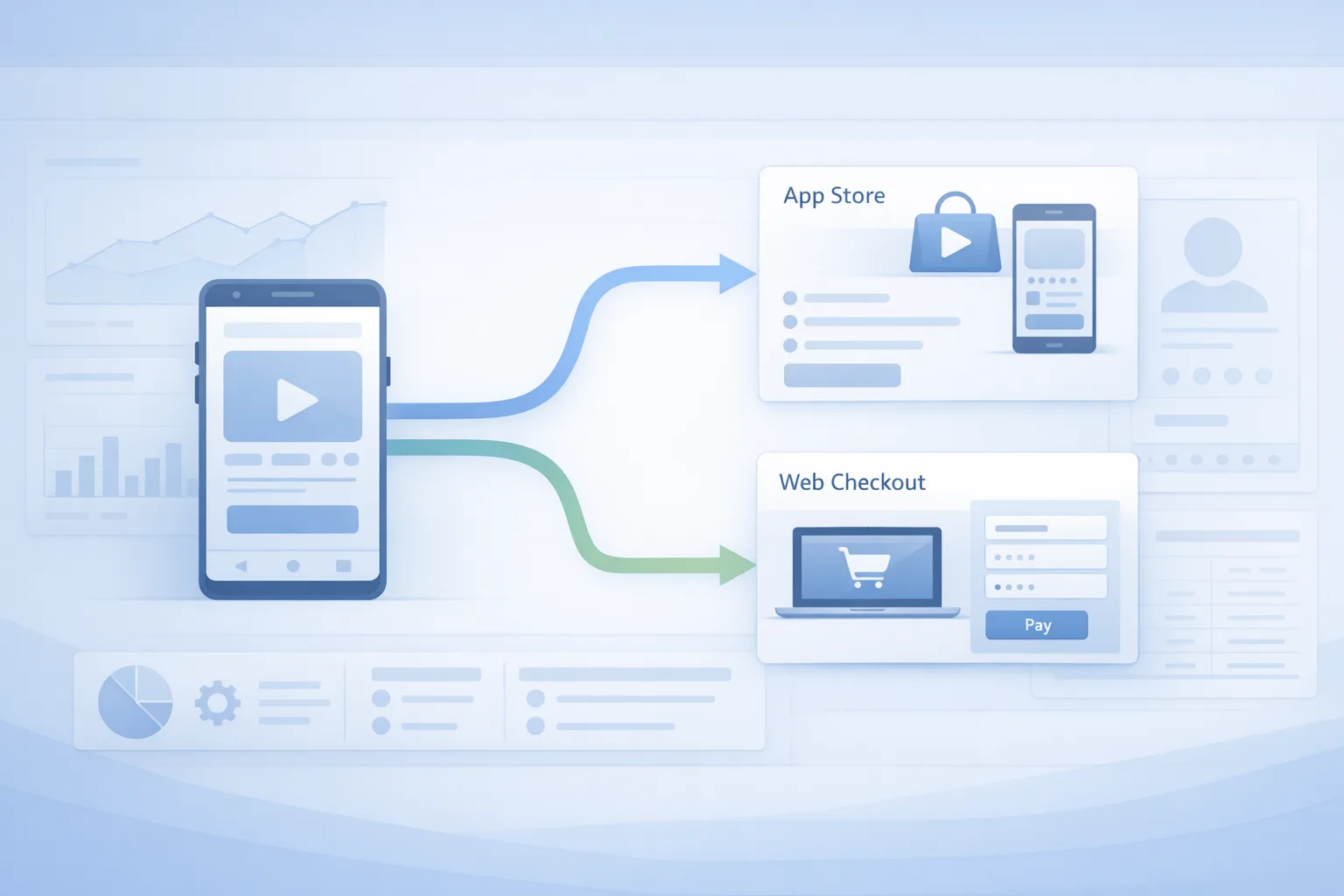
Google Play external links are officially on the table in the United States, but only if you enroll and ship the required integrations by January 28, 2026. Google’s new programs—External Content Links and Alternative Billing—unlock direct links to your web shop and support third‑party payments inside your app, in response to a U.S. court injunction. The practical effect: you get new latitude on pricing, funnels, and ownership of the customer relationship—but you’ve also got new steps, guardrails, and potential fees to navigate. (apnews.com)
What exactly changed—and when
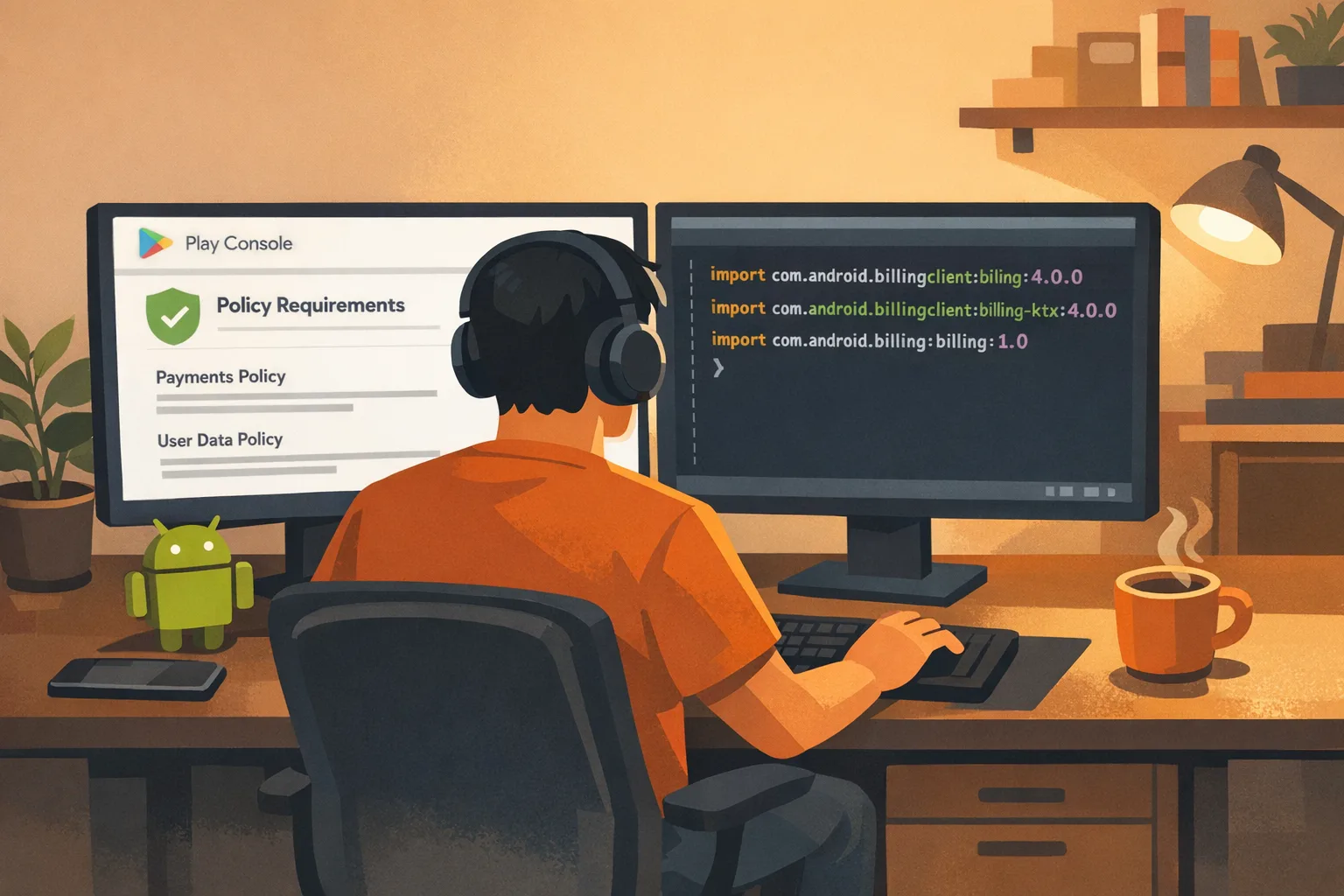
Two timelines matter. First, on October 29, 2025, Google began allowing apps serving U.S. users to use other billing systems and to communicate pricing outside the Play Store, including linking to external downloads. Second, on December 19, 2025, Google detailed enrollment and integration requirements and set a compliance date of January 28, 2026. If you plan to link out or use alternative billing for U.S. users, you must be in these programs by that date. (9to5google.com)
This policy shift is tied to the Epic v. Google case and Judge James Donato’s injunction, which pushes Google to open the Play Store to competition. While there’s a proposed settlement that could refine fee caps and mechanics, the January 28 program deadline stands today. (apnews.com)
Google Play external links: what’s actually allowed now
Under the External Content Links program, qualifying apps may link users to either: (a) purchase digital items on the web, or (b) download an app outside the Play Store. These flows must use Google’s information screens, meet eligibility, and integrate the specified Play Billing Library (PBL) version. For external content links, Google currently cites PBL 8.2.1+ along with server‑side reporting primitives like external transaction tokens. (developer.android.com)
Alternative Billing is separate: it lets you present a third‑party payment option inside your Play‑distributed app, with Google’s user‑choice UX and API hooks. The developer docs describe integration against the Alternative Billing APIs and PBL 6.2.1+ for the in‑app client, plus backend reporting via the Google Play Developer API. (developer.android.com)
Are there new fees? Here’s the developing picture
Google has signaled two kinds of economics to watch. First, the company indicated it intends to charge a per‑install fee for downloads completed within 24 hours of a user clicking an external link from the Play listing: $2.85 for apps and $3.65 for games. Second, Google has floated ongoing commissions even when you use external billing or link out—20% on most in‑app purchases and 10% on subscriptions. Both ideas are described as intentions and remain under court oversight; they aren’t being collected yet. (theverge.com)
Separately, the proposed Epic–Google settlement outlines capped commission tiers of 9% or 20% depending on transaction type and install circumstances. Judge Donato hasn’t signed off, and he’s already voiced skepticism, so treat those numbers as directional until the court rules. (engadget.com)
If you operate in the EEA, you’ve seen a template for per‑download fees before: the External Offers program there includes fixed per‑install charges for linked downloads by category. That’s not the U.S. rulebook, but it shows how Google structures this in other regions and why install attribution matters. (support.google.com)
Primary keyword question: How do Google Play external links work end to end?
At a high level: you enroll; implement Google’s information screen; register and approve your outbound link(s) in Play Console; integrate PBL 8.2.1+; and attach tokens/reporting so Google can reconcile conversions that occur off‑Play. Expect a 24‑hour window for counting external‑click‑to‑install in the U.S. fee model Google has proposed, and a monthly reconciliation cycle if/when fees go live. (developer.android.com)
Alternative Billing is similar: you enroll, integrate client APIs so Google can show the required user‑choice UI, provide a subscription management link if you sell subs, and build the backend reporting path with external transaction IDs/tokens. Google’s docs call out PBL 6.2.1+ for this path today. (developer.android.com)
Do you still need Google Play Billing present?
For user‑choice experiences, yes—you must present Google’s billing as an option alongside your alternative, per Google’s current program design in the U.S. For “alternative‑only” flows, eligibility and UX rules differ and may vary by country; confirm in Play Console for your app and market. (developer.android.com)
Model the economics before you ship
Because fee policy is in flux, run scenarios. For a $9.99 digital subscription, compare: (a) Google’s typical subscription service fee tier, (b) the indicated 10% subscription commission for external or alternative billing, plus your processor’s ~2%–4% cost, and (c) any future per‑install fees tied to external links. For one‑time items at $4.99, repeat the framing with a 20% commission scenario. You may find that web shops are still great for bundles, annuals, and price experimentation—especially if your acquisition doesn’t rely on clicking out from the Play listing. (theverge.com)
14‑day compliance sprint: the practical checklist
Here’s a compact plan teams can execute between January 14 and January 28, 2026. Adjust roles as needed; the goal is to unblock review and tests quickly.
- PM/Legal: Decide scope. External Content Links, Alternative Billing, or both? Document U.S.‑only coverage for now. (support.google.com)
- Console Admin: Enroll in the relevant programs and complete declarations in Play Console; register any external download URLs and web offer domains. (developer.android.com)
- Android Lead: Upgrade to Play Billing Library 8.2.1+ for external links and 6.2.1+ for alternative billing modules; add the information screen flow; integrate external transaction tokens. (developer.android.com)
- Backend: Implement receipt/token callbacks, external transaction ID mapping, and reporting pipelines; prepare reconciliation jobs in case fees begin later. (developer.android.com)
- Design: Follow the interim UX and information screen requirements; prepare payment method logos if offering alternative billing. (developer.android.com)
- Support/Payments: Add refund, dispute, and subscription‑management links for the alternative system; ensure PCI‑DSS coverage if you touch card data. (developer.android.com)
- QA: Test child accounts and parental controls; verify deep links, back stack, and state restoration; confirm graceful handling when web checkout fails mid‑flow. (developer.android.com)
- Analytics/UA: Label traffic cohorts by acquisition path (Play native vs. external link) and set up server‑side attribution to match Google’s 24‑hour rule if it’s adopted. (theverge.com)
- Finance: Build a monthly model for proposed 10%/20% commissions and any per‑install fees; set thresholds for when to disable external links in the U.S. if ROI degrades. (theverge.com)
Technical integration pitfalls we’ve seen in the wild
Token mismatches: if you rotate IDs without mapping the external transaction token on your side, you’ll lose reconciliation. Keep a durable linkage between Play’s token and your order ID. (developer.android.com)
Information screen bypasses: users must see the info screen before leaving the app. Custom tabs, in‑app browsers, or intent flags that dodge the screen can trigger policy violations. Validate on modern flag combinations. (developer.android.com)
Subscription management: alternative billing requires that you surface a working subscription management link. Broken or geo‑mismatched URLs are a common rejection. Build a health check for these endpoints. (developer.android.com)
Deep‑link regressions: external downloads often rely on installers or signed APK flows; ensure Play‑managed variants still pass review and that your app’s auto‑update behavior is clear to users. Watch cold‑start performance on low‑end devices. (developer.android.com)
“People also ask” style Q&A
What happens if I don’t enroll by January 28, 2026?
You can keep shipping a standard Play‑only app. But if you link out or use alternative billing without enrollment and required UX, you risk rejection or removal. The policy update explicitly sets January 28 as the compliance date for U.S. linking and alternative billing programs. (support.google.com)
Are games treated differently?
Yes, in two ways. First, Google’s indicated per‑install fee for external links is higher for games ($3.65 vs. $2.85 for apps) if installed within 24 hours of the link click. Second, settlement drafts also draw distinctions in commission caps for different purchase types in games. Both pieces are still under court scrutiny. (theverge.com)
Can I drop Google Play Billing entirely?
For “user choice” experiences, no—you must still show Google’s option alongside your alternative. Some alternative‑only configurations exist in program docs, but availability varies and is subject to eligibility and region. Verify eligibility in your Play Console. (developer.android.com)
Does this mean I should move everything to the web?
Not automatically. If your funnel relies on external links from the Play listing, model the proposed per‑install fee and potential commissions first. Many teams keep Google Play Billing for low‑AOV consumables while steering annual subs or bundles to the web via owned channels (email, in‑app messaging, community), where the Play‑link attribution fee wouldn’t apply. (theverge.com)
Zooming out: why this matters even if you’re iOS‑first
Apple is under pressure too. In Brazil, Apple agreed to allow third‑party app stores and alternative payments within 105 days of a December 23, 2025 settlement with the competition authority CADE. If you serve Brazil, plan for parallel distribution and billing work in Q1–Q2 2026. (reuters.com)
If you want a deep dive on Brazil’s 105‑day clock and how to stage rollout and risk, we broke down a concrete plan in our analysis of Apple’s commitments in that market. See the 105‑day plan for Brazil. For a broader view of 2026 app store policy shifts, review our Q1 2026 shipping checklist and our explainer on Google Play’s new linking fees.
Let’s get practical: a decision tree we use with clients
Start by classifying each SKU and funnel:
- Consumables under $5: Keep on Play Billing unless you have a clear web AOV play; monitor any future fee shifts before moving.
- Subscriptions over $50/year: Favor alternative billing or the web—especially if you can acquire via owned channels that don’t depend on a Play listing link.
- High‑margin game cosmetics: Don’t assume savings—run scenarios with 20% commission and payment processor costs; in some cases the math looks worse than staying native. (theverge.com)
- Trials and upgrades: External links can be great for bundles and experiments; just ensure your info screen and attribution are correct so you avoid policy issues. (developer.android.com)
Risk management: compliance and evidence
Maintain a change log with dates, Play Console screenshots, and APK/Bundle versions showing the information screen and billing options. If you’re challenged, you want a paper trail of enrollment, API versions (PBL 8.2.1+ or 6.2.1+), and your UX conforming to the docs. (developer.android.com)
Instrument your app to record which purchase path the user chose (Play vs. alternative vs. web). You’ll need that for customer support and revenue reconciliation—and to validate any fee invoices if they begin later. (developer.android.com)
What to do next
By January 5: pick your scope and enroll. By January 12: merge PBL upgrades, info screens, and token plumbing into your mainline. By January 19: complete Play review for U.S. tracks. By January 28: have reporting and refunds wired up—and a go/no‑go decision framework for paid campaigns that rely on external links. If you want a paired security and framework upgrade while you’re in there, our 30‑day upgrade plan outlines how we stage risky changes without derailing release trains.
If you need help standing this up quickly, our team ships end‑to‑end: policy analysis, console setup, in‑app integrations, and attribution QA. See our services or talk to us about a two‑week implementation sprint.
The bottom line
This is a real opportunity to own more of your funnel on Android—especially for subscription‑driven businesses—but it’s not a free‑for‑all. The programs add process, the docs specify versions and UX, and the courts will shape fees in January. Ship the compliance bits now, model the economics with cautious assumptions, and keep the release train moving. Then you’ll be able to pivot quickly if the fee landscape shifts after the next hearing.

Comments
Be the first to comment.