
App Store Policy Changes: What to Ship by Q1 2026
“App store policy changes” stopped being a seasonal headline and turned into your release checklist. In the past two weeks, Apple announced iOS changes in Japan that open alternative app marketplaces and payments, and regulators in Brazil accepted an Apple settlement that will require third‑party app stores and alternative billing within roughly a quarter. On Android, Google Play published a December 9 policy update expanding US alternative billing and external links with a clear compliance date: January 28, 2026. If you monetize on mobile, your roadmap just got new constraints—and new opportunities.
What changed—and when
Let’s anchor the dates so there’s no ambiguity. On December 9, 2025, Google Play announced policy updates for US users: expanded alternative billing programs and a new external content links program, with a compliance date of January 28, 2026 if you plan to link out or offer non‑Play billing. On December 17, Apple outlined Japan‑specific iOS changes to comply with the Mobile Software Competition Act: authorized alternative marketplaces, alternative payment options in App Store apps, a “Notarization” baseline review for all iOS apps outside Apple’s full App Review, and updated business terms including revised commissions and new fees. On December 23, Brazil’s antitrust authority accepted Apple’s settlement to allow third‑party app stores and alternative payments in the country, with a 105‑day implementation window and three‑year term.
There’s more context that matters for your ad stack and consent UX: Apple was fined in Italy on December 23 for “excessively burdensome” privacy prompts related to App Tracking Transparency (ATT). In the US, a federal judge in Texas issued a preliminary injunction on December 23 blocking a state law that would have forced app‑level age verification and parental consent for under‑18 users starting January, removing a potential near‑term compliance spike for distribution in that state. The signal: privacy and youth‑safety pressure is rising, but the specific rules are diverging market by market.
Why these app store policy changes matter for product and revenue
The change isn’t abstract; it reshapes distribution, payments, and compliance engineering in three concrete ways:
First, distribution options are fragmenting by country. In Japan (and soon in Brazil), you can distribute iOS apps through Apple’s App Store or an authorized alternative marketplace. That introduces different review paths: full App Review for App Store apps vs. Notarization for outside distribution. Notarization is lighter than App Review, but it’s still a gate with automated checks and human review aimed at blocking malware and obvious abuse.
Second, payment paths and commissions vary by context. Apple’s Japan terms introduce four moving parts: a reduced App Store commission tier (10% for the vast majority of developers in named programs or 21% standard), an additional 5% fee if you use Apple In‑App Purchase inside the App Store, a 15% Store Services Commission on transactions routed to the web via a link inside your app (with 10% for certain programs and subscriptions after year one), and a 5% Core Technology Commission when you distribute outside the App Store and sell digital goods. Google Play’s US update expands eligibility for alternative billing and explicit external links, with a programmatic compliance date.
Third, kid‑safety and consent design requirements are multiplying. Apple’s Japan changes introduce parental gates when alternative payments are used in App Store apps for users under 18, block certain linking for users under 13, and keep Kids category apps from linking to web payments at all. Combine that with ongoing ATT dynamics and you’ve got to re‑audit your consent flows.
How the new Apple Japan terms pencil out
Here’s the thing: whether you should switch payment paths is a math problem with a compliance twist. Run scenarios on your actual price points and refund rates.
Scenario A: You stay on the App Store in Japan and use Apple In‑App Purchase. If you’re in the Small Business‑type cohorts at 10%, add the 5% Apple payment processing fee for a total of 15% on digital goods. If you’re in the 21% cohort, add 5% for a total of 26%. That’s simple to operate and preserves Apple’s refund tools and subscription management.
Scenario B: You stay on the App Store, but present an alternative payment method inside your app. In this case, apply the App Store commission (10% or 21%) to your digital goods transactions, plus your own processor’s fees (say ~2.9% + $0.30 or your negotiated rate). You lose Apple‑level refund tooling; you’ll need your own support flow and ledgering.
Scenario C: You link users out from your App Store app to complete a purchase on the web. Apple’s Store Services Commission applies (15% standard, 10% for eligible programs and post‑year‑one subscriptions). Add your processor costs on top. This path can be cost‑effective if you’re at scale and have web‑to‑app analytics and churn prevention dialed in, but it adds friction and will require clear disclosures.
Scenario D: You distribute outside the App Store through an authorized marketplace. For paid apps and digital goods, Apple’s Core Technology Commission (5%) applies. You avoid App Store commission, but you take on more distribution risk, marketing lift (less built‑in discovery), and security responsibilities. You’ll also need to pass Apple’s Notarization checks and handle support, chargebacks, and parental controls according to the rules.
Don’t ignore risk: in Apple’s framing, Notarization is “baseline,” not a replacement for full App Review. If you operate in regulated categories (finance, health, edtech), weigh the reputational and security expectations of your users before jumping to alternative distribution.
What did Google Play actually change in the US?
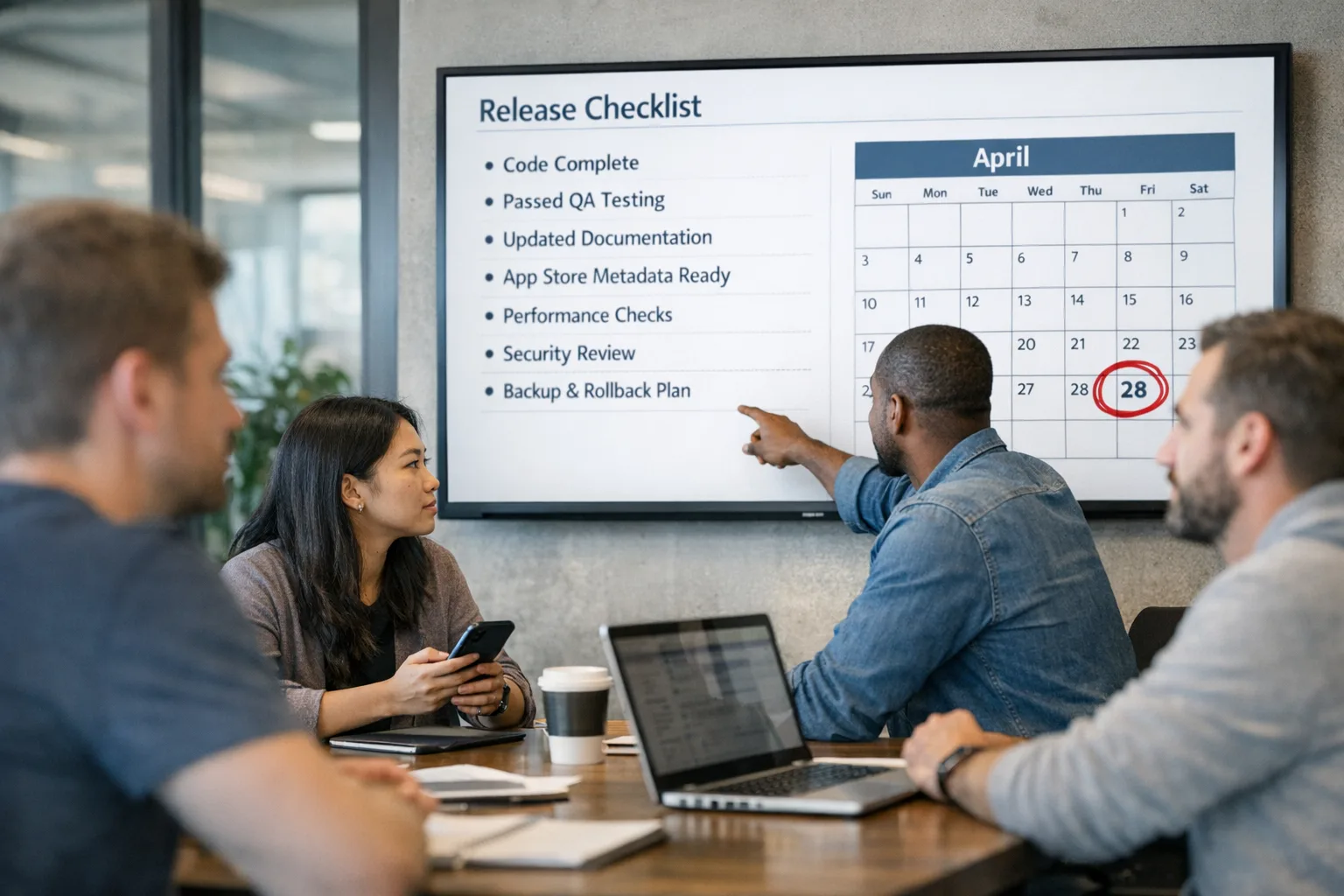
Let’s get practical. The December 9 policy update does three things for US distribution: it clarifies Payments to reference additional programs, expands alternative billing programs so more eligible developers can use them, and launches an external content links program for linking to off‑Play content or transactions. If you plan to use either alternative billing or link users out, circle January 28, 2026 on the calendar—Play expects compliance by that date.
This lines up with what many teams have already been piloting: a dual‑path checkout (Play Billing and an alternative) or clear external‑link disclosure plus user choice. The operational burden is in instrumentation—ensuring you can attribute purchases correctly, handle taxes, and respect user entitlements cross‑platform.
FAQ developers are already asking
Should we move to alternative billing everywhere it’s allowed?
Maybe—but run it like an experiment, not a religion. If you’re in Apple’s 10% cohort, adding your processor’s ~3% brings you near Apple IAP’s 15% effective cost in Japan. The breakeven is thin, and you inherit refunds, fraud, and support cost. If you’re in the 21% cohort or selling high AOV items with low refund risk, the math gets better for alternatives. Pilot on a single SKU and compare net margin, churn, and support tickets over 60–90 days.
Will this change our ATT prompt strategy?
Yes, revisit it. Consent fatigue is a revenue leak, and recent fines show regulators are scrutinizing burdensome or uneven prompts. Audit your copy, timing, and value exchange. If you need a primer on mobile consent design under pressure, our take on ATT risk and what mobile teams should do now pairs well with this article.
Should we ship an alternative marketplace build for Japan?
Only if you have a distribution plan. Outside the App Store, you’ll pass Notarization but lose App Store discovery and some trust cues. Unless you’re a major brand with owned distribution, start by optimizing App Store checkout paths and parental gating. Consider an alternative marketplace track later if your category benefits from policies the App Store doesn’t permit.
How do these changes affect subscriptions?
In Apple’s Japan model, subscriptions after year one qualify for reduced rates in certain cases (e.g., the 10% tier on Store Services Commission). For Play, your entitlement management needs to unify purchase sources so a user paying on the web or via alternative billing still sees benefits in your Android app. That implies a central ledger and robust server‑side receipt validation on both platforms.
A practical 30/60/90‑day plan
Days 0–30: Baseline, legal, and UX alignment
• Map countries to capabilities: Japan (Apple App Store with alternative payments and external links; alternative marketplaces), Brazil (incoming alternative stores and payments within roughly 105 days of Dec 23), United States (Play alternative billing and external links programs, due Jan 28 if you opt in).
• Choose your payment mix per country and SKU. Document fee assumptions (10%/21% + 5% for Apple IAP; 15% Store Services Commission on web links; 5% Core Technology Commission outside the App Store; your card processor costs).
• Wireframe consent and parental gates for Japan: no links for Kids category; parental gate for under‑18 when using alternative payments; no links for under‑13. Validate with counsel.
• Draft external link disclosures for Play and App Store‑compliant copy. Tone matters—plain language beats legalese.
Days 31–60: Build, integrate, instrument
• Implement dual‑path checkout components behind feature flags.
• Centralize entitlements: one source of truth that can ingest Apple receipts, Play purchases, and your own processor webhooks.
• Add refund tooling for non‑IAP flows, including idempotent cancellation, proration rules, and customer support playbooks.
• Implement age gates and parental approvals per Apple’s Japan requirements. Add analytics events to verify they trigger correctly for under‑18 user journeys.
• Prepare Notarization checklists for any outside‑App Store distribution: malware scanning, basic functionality tests, signature workflows.
Days 61–90: Pilot, compare, and roll
• Run A/B pilots per market and SKU: IAP vs. alternative billing, in‑app vs. link‑out.
• Measure the full funnel: conversion, chargeback rate, refund cost, support tickets per 1,000 purchases, and 30/60‑day churn.
• Choose your default per market based on net revenue after fees and support costs—not just headline commission rates.
• Prepare January 28 Play compliance if you’re linking out or using alternative billing in the US; submit program enrollment artifacts on time.
• If Brazil is a core market, stage changes so you can switch on alternative app stores when Apple’s 105‑day window closes.
Engineering and security gotchas nobody wants to learn the hard way
• Entitlement drift: Users purchase on the web and assume benefits will be immediate in the app. Without fast server‑side reconciliation and receipt polling, you’ll get angry tickets and refunds. Build a 60‑second grace period that unlocks access while verification completes, with fraud checks watching for abuse.
• Parental gates: Implement age gates deterministically, not just hints from system settings. Store decisions server‑side with audit logs.
• Notarization failures: Treat it like CI. Automate malware scans and binary checks pre‑submit. Keep third‑party SDK inventories current; lock versions once you pass review.
• ATT prompt timing: If you’re still showing double prompts or poorly timed consent, expect lower opt‑in and more scrutiny. Fix copy and cadence; show value before asking.
How to talk fees with your CFO
Build a simple model: by country, by SKU, compare five rows—Apple IAP inside App Store; alternative payment inside App Store; link‑out to web from App Store; outside‑App Store marketplace distribution; Play Billing vs. alternative billing vs. link‑out. Include platform commissions and your processor fees. Add operational overhead (support, fraud tooling, chargeback losses) as a percentage of GMV. Often, the “cheapest” headline fee isn’t cheapest when chargebacks and support time show up.
People also ask
Do I need to rush into alternative marketplaces on iOS?
No. Unless distribution friction is killing you, start with payment flexibility and UX improvements inside the App Store. Alternative marketplaces make sense if you’ve already built a strong owned audience and can absorb more ops work.
Will these changes spread beyond Japan and Brazil?
Regulatory trends say yes, but timelines vary. Plan for country‑by‑country toggles in your build system and pricing config. Don’t hardcode assumptions.
What about cookies and web tracking in the app webview?
Chrome’s cookie timeline has shifted toward user choice rather than full deprecation. Still, assume stricter defaults over time. Prefer first‑party tokens and short‑lived sessions. If your in‑app web purchase flows depend on third‑party cookies, test with them disabled and fix now.
What to do next
• Book a cross‑functional hour this week—product, engineering, growth, legal—to decide per‑country payment paths and a go/no‑go for alternative marketplaces in Japan and Brazil.
• Implement a unified entitlement service with receipt validation and webhooks before you turn on alternative billing.
• Draft and test parental gates and disclosures in Japan‑targeted builds; keep screenshots for audit trails.
• Enroll in Google Play’s US programs and meet the January 28, 2026 deadline if linking out or using alternative billing.
• If you want a second set of eyes, our team’s mobile product and compliance services can help you model fees, implement entitlements, and harden your flows.
Zooming out
This isn’t the end of platform change; it’s the new baseline. The goal isn’t to win a fees debate—it’s to maximize customer lifetime value while minimizing operational surprises. Teams that treat these shifts as permanent variability (with feature flags, clear entitlements, and flexible billing) will ship faster and sleep better.
If you’re tracking related shifts, our earlier write‑up on which app store policy changes matter for engineering and growth pairs with this playbook, and our 72‑hour patch‑and‑prove pattern—written for a security incident—works just as well for compliance rollouts. When you need hands‑on help, see how we build and ship on mobile in our portfolio examples or contact us to get a plan in place before January 28 hits.




Comments
Be the first to comment.