
Apple’s App Tracking Transparency (ATT) is back in the hot seat, and if you ship iOS apps with ad spend, growth targets, or tight retention goals, you can’t ignore it. Over the past 48 hours, Italy’s antitrust authority fined Apple €98.6 million (about $116 million) over how ATT treats third‑party developers, echoing a similar fine from France earlier this year. Apple says it will appeal, but the signal is obvious: scrutiny around consent flows and measurement isn’t easing up. (reuters.com)
Here’s the thing: regardless of the legal back‑and‑forth, your team still has to pass App Review, maintain reliable attribution, and protect revenue. The fastest way to do that is to re-center your stack on AdAttributionKit, fix the sharp edges in your ATT prompt strategy, and ensure your analytics doesn’t break on iOS 26’s privacy changes.
What changed this week, exactly?
On December 22, 2025, the Italian Competition Authority (AGCM) announced a €98.6 million fine against Apple tied to ATT, arguing that third‑party developers face duplicative consent flows that Apple’s own apps don’t. The agency frames this as an unfair burden that depresses opt‑in rates for competitor apps and advertising networks. Apple disputes this and plans to appeal. Earlier in 2025, France’s regulator also fined Apple over similar concerns. (reuters.com)
Zooming out, this sits inside a broader trend: regulators worldwide are forcing app platforms to rebalance control. In the last week, Apple also said it would open iOS to third‑party app stores in Japan, with modified commissions and warning dialogs—another pressure valve on platform power. (theverge.com)
Why developers and growth teams should care
Regulatory pressure tends to create two outcomes: tighter, more explicit disclosure requirements and stricter review enforcement. Neither is hypothetical. Apple has already updated App Review Guidelines to call out sharing data with third‑party AI explicitly, and U.S. rules now allow certain external payment links. Together, they point to a world where your consent UX, data flows, and payments must be auditable, user‑first, and resilient to policy churn. (techcrunch.com)
Practically, this means your measurement stack can’t depend on granular device identifiers or aggressive cross‑site tracking. Apple’s own privacy primitives—AdAttributionKit and Private Click Measurement—are where the puck is headed, and the companies that move early will have fewer interruptions and better signal quality over the long run. (developer.apple.com)
App Tracking Transparency: what you must fix now
Let’s get practical. ATT still exists. You still need to present Apple’s prompt if your app or third‑party SDKs “track” in Apple’s sense of the term. But you can reduce friction and review risk by tightening how and when you ask. The goals: maximize legitimate opt‑in without dark patterns, avoid pre‑loading trackers before consent, and pass review on the first try. That starts with design and sequencing.
The consent UX that survives review
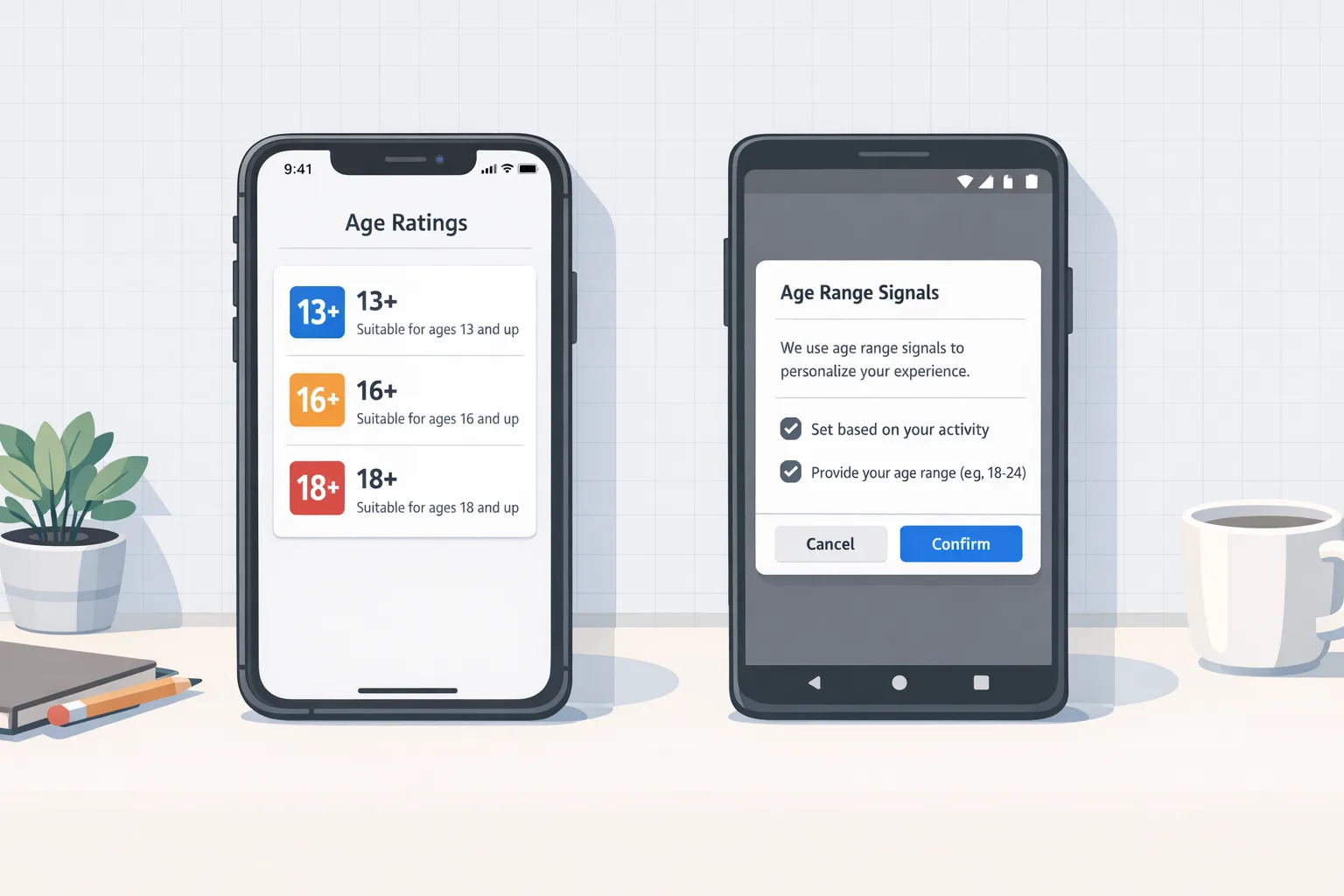
Use a single, plain‑language pre‑prompt that explains the value exchange (e.g., “Fewer irrelevant ads, more free features”). Avoid fear‑based language or implying functionality is blocked if the user declines. Trigger the official ATT dialog only after the user taps a clear affordance like “Continue” or “Allow personalized ads”—and only after you’ve gated any non‑essential data collection. Testing this on iPhone and iPad is non‑negotiable; teams have seen rejections when the prompt fails to appear under review conditions, especially on iPadOS versions. (reddit.com)
From a systems perspective, assume the user declines. That means your app must degrade gracefully: disable trackers, swap audience segments for contextual ones, and show non‑personalized ads without stalling navigation or breaking core flows. If you need help pressure‑testing the UX, our team’s product delivery playbook focuses on fast iteration with compliance in mind.

Make AdAttributionKit your default, not a sidecar
AdAttributionKit is Apple’s privacy‑preserving attribution framework that supports click‑through and view‑through measurement starting in iOS 17.4, with re‑engagement postbacks added in iOS 18. It’s interoperable with SKAdNetwork concepts but aligns better with where Apple is taking attribution, including web‑to‑app via Web AdAttributionKit. Importantly, you don’t need ATT consent to use it. (developer.apple.com)
What does this change? First, you can ship a predictable, ATT‑independent measurement baseline across all regions, even if regulators force changes to how consent is gathered. Second, you remove a chunk of engineering complexity from edge‑case consent states (users who never respond, limited ad tracking, etc.). And because Apple Ads itself is registered with AdAttributionKit, you can compare channels on a leveler playing field. (ads.apple.com)
What about SKAdNetwork?
AdAttributionKit is effectively the successor track. It’s compatible with SKAdNetwork’s mental model (conversion values, postbacks, windows) and was presented as the next step at WWDC. If you’re still on pure SKAN 4 integrations, plan the migration now; you’ll preserve schema work and speed up partner onboarding. (adjust.com)
Do I need ATT if I use AdAttributionKit?
No—AdAttributionKit doesn’t require the ATT prompt. You still need ATT if you or your vendors engage in tracking that Apple defines as linking data across third‑party apps and sites. Think of AdAttributionKit as a privacy‑first baseline, with ATT layered on only when you need personalized ads or cross‑app profiling. (developer.apple.com)
A consent and attribution readiness checklist
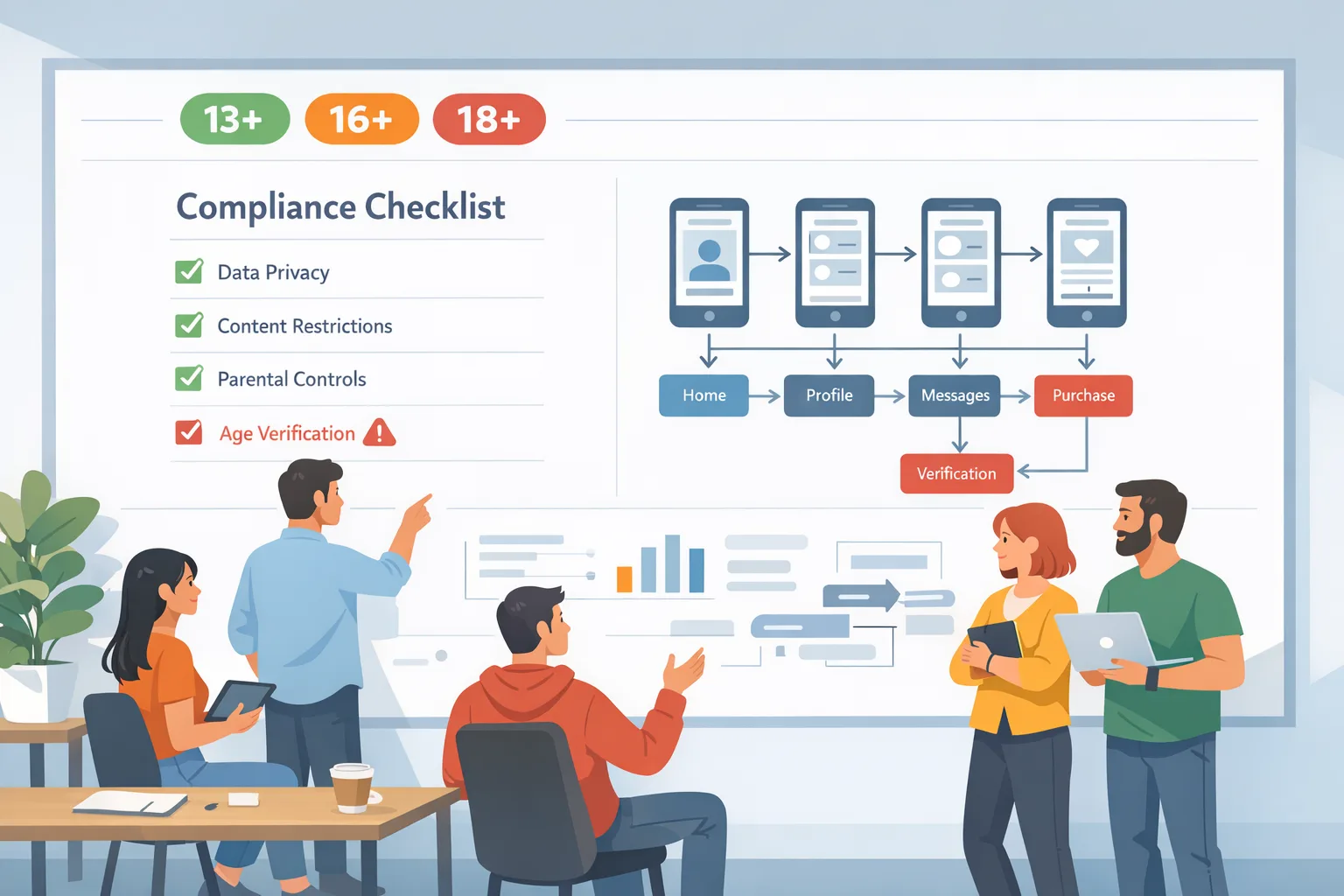
Use this to audit your app in a single sprint:
- Inventory SDKs and endpoints: classify each as “needs ATT” or “privacy‑baseline.” Disable or defer anything that would count as tracking until after consent.
- Design a single pre‑prompt: no scare tactics, no forced choices. Map which screens can trigger it without derailing onboarding.
- Wire the ATT system prompt only after explicit user action. Verify on iOS 18.x and current iPadOS in fresh installs.
- Migrate measurement to AdAttributionKit, with SKAN interop where required. Validate click‑through and view‑through paths and confirm postbacks in all conversion windows. (developer.apple.com)
- Implement Web AdAttributionKit if you drive traffic from in‑app browsers to web; confirm PCM is configured for web‑to‑app flows. (developer.apple.com)
- Partition analytics: separate non‑personalized telemetry from advertising identifiers and ensure the former never leaks into tracking pipelines.
- Set feature flags for ATT‑dependent features so QA can simulate decline/no‑response states easily.
- Document the flow with screenshots for App Review and keep a runbook ready; this speeds up appeal if a rejection happens. (reddit.com)
Data and dates you should pin on the wall
In 2025, European agencies escalated their scrutiny of Apple’s privacy posture in advertising. France’s competition watchdog issued a fine earlier this year, and on December 22, 2025, Italy’s AGCM levied a €98.6 million fine regarding how ATT impacts third‑party apps. Apple says it will appeal both. These cases are separate from Apple’s worldwide privacy roadmap, which has also tightened rules around sharing data with third‑party AI providers in App Review. (apnews.com)
On the platform side, Apple has been broadening distribution options under legal pressure—most recently signaling third‑party app stores in Japan with new commission structures—while continuing to push privacy tech like Web AdAttributionKit and link‑tracking protections across Safari and native surfaces. (theverge.com)
Edge cases and gotchas most teams miss
First, iOS 26 freezes the Safari user agent’s OS version string, which can quietly break attribution or analytics that use UA parsing for device or OS segmentation. If you still rely on UA for any measurement logic—SDK fallback, older web pixels, or server filters—update your parsers and source the OS version from native APIs instead. (kochava.com)
Second, ATT timing and app state matter more than you think. Reviewers test cold installs on multiple devices, and your “prompt on first launch” may fail to render on iPad under specific states (e.g., auto‑restore, test networks, or delayed UI threads). Build an internal debug menu that exposes your consent state, scheduled prompts, and the reason a prompt didn’t show. It will save you days during an appeal. (reddit.com)
Third, partner readiness varies. Some ad networks are fully registered with AdAttributionKit (including Apple Ads), while others still treat SKAN and AAK as parallel tracks. Confirm postback endpoints, schema, and the exact conversion value model per partner before scaling spend. (ads.apple.com)
How to talk about this with your CFO and CMO
Here’s the executive version. Regulatory risk around ATT is rising; Apple will fight it, but your exposure is immediate—rejections, misattribution, and wasted spend. The mitigation plan is affordable and reversible: ship a compliant consent flow, move measurement to AdAttributionKit, keep SKAN compatibility for partners, and document everything. If you need a partner to move fast without drama, we’ve done this before; see our selected mobile work and privacy and analytics services.
People also ask
Will Apple get rid of ATT if it loses appeals?
Unlikely in the short term. Apple will adjust wording, enforcement, or platform rules long before it removes a marquee privacy feature. Your best hedge is adopting Apple’s first‑party attribution stack so changes to consent language don’t collapse your reporting. (developer.apple.com)
Do third‑party app stores change this plan?
Not really. Even if you distribute through alternative marketplaces (such as the model Apple’s rolling out in Japan), users will still expect clear consent choices, and regulators will still evaluate competitive impact. Your attribution and consent foundations remain the same. (theverge.com)
Is Google’s cookie policy relevant here?
A bit. Google has stepped back from a hard deprecation of third‑party cookies in Chrome and is emphasizing user choice. That’s the opposite direction of Apple’s privacy tightening, which is why betting on Apple’s native attribution stack is the safer path for iOS. (arstechnica.com)
An implementation blueprint you can ship this quarter
Start with a 2‑week pilot on your most valuable acquisition flow:
- Consent UX: Draft one pre‑prompt and one ATT trigger point. Run a 50/50 test on timing (end of onboarding vs. first ad surface). Document copy and screenshots.
- Measurement baseline: Integrate AdAttributionKit; verify click and view postbacks in staging and production. Enable Web AdAttributionKit for in‑app browser flows. Confirm partner mappings. (developer.apple.com)
- Analytics partitioning: Move any device‑level or cross‑site signals behind consent guards. Use contextual audiences by default; flip to personalized only after ATT opt‑in.
- Fail‑safe UX: Ensure the app loads instantly with non‑personalized ads if the user declines. Add a “Privacy & Ads Settings” screen to let users change their mind later.
- Review pack: Prepare a one‑pager with your consent flow, screens, and a note on when the ATT prompt appears. Keep it ready for App Review conversations. (reddit.com)
What to do next
Today: Audit SDKs and flag anything that requires ATT. Map pre‑prompt placement. Create debug toggles for consent states.
This week: Implement AdAttributionKit and Web AdAttributionKit; validate postbacks end‑to‑end with your top two ad partners. Update analytics parsers for the iOS 26 user‑agent freeze. (developer.apple.com)
Next 10 days: Ship the refined consent flow, write the reviewer brief, and run a small spend test to compare AdAttributionKit vs. legacy signal quality. If you want a partner who can de‑risk the rollout, talk to our team, or explore how we ship compliant mobile apps with predictable timelines.
Security and compliance don’t have to slow you down. They just need to be part of your engineering culture. We’ve helped teams navigate emergency patch sprints and policy pivots before—if you’re in fire‑drill mode, our security playbooks, like the holiday patch playbook we shared for React2Shell, show how we operate when the clock is ticking. Different problem, same muscle.

Final thought: build for privacy as a feature, not a hurdle
Regulators will keep pushing. Apple will keep hardening. Teams that treat privacy as a product surface—not a checkbox—will win on trust and agility. Get your consent UX right, move attribution to AdAttributionKit, and keep your analytics honest. The rest becomes execution.


Comments
Be the first to comment.