Xcode 26 Requirement: Ship by April 28, 2026
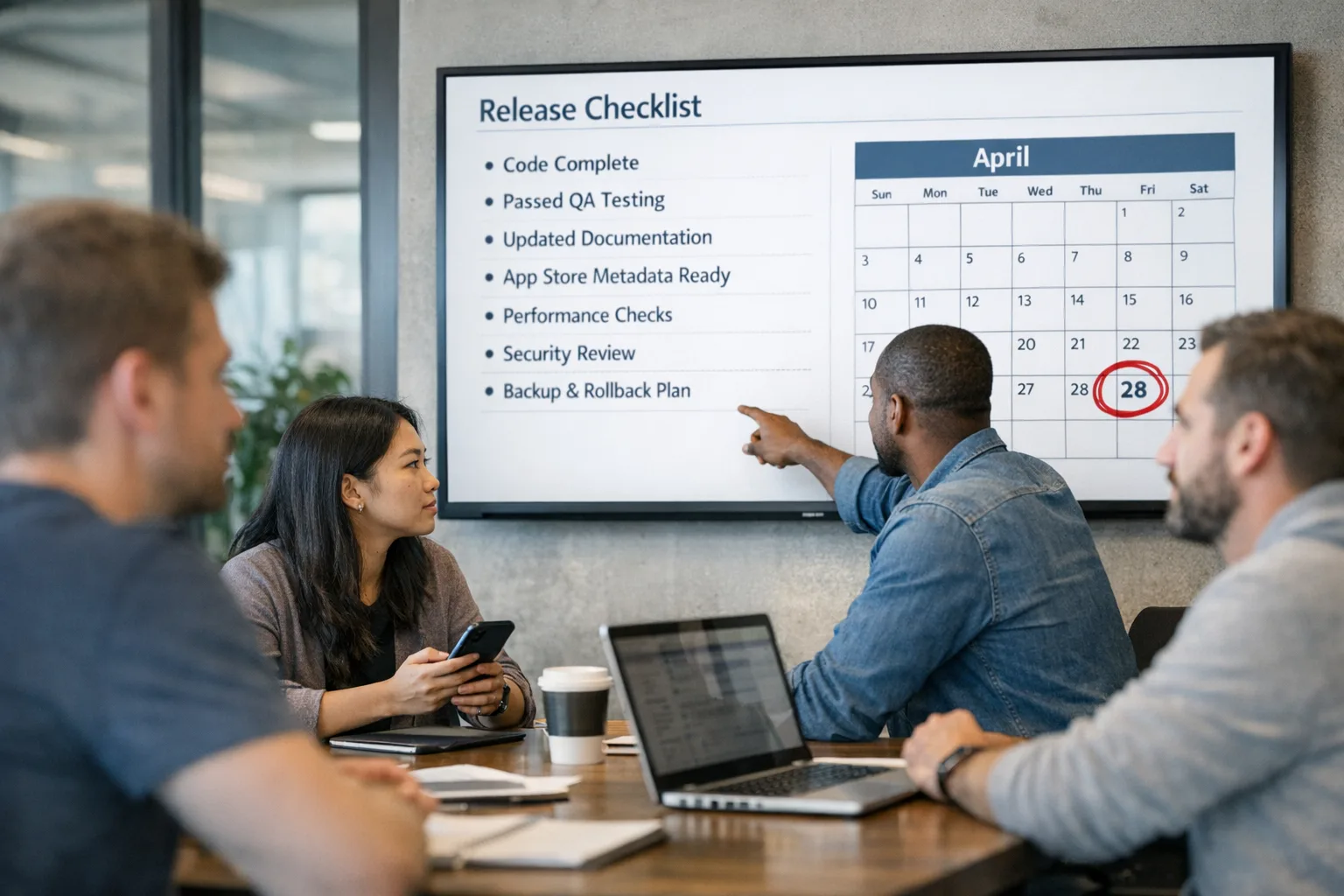
The Xcode 26 requirement isn’t a suggestion—it’s the gate you must clear to ship updates after April 28, 2026. Apple’s upcoming SDK minimums mean any app you upload to App Store Connect has to be built with Xcode 26 (or later) using the iOS 26 family of SDKs. If you’re still running older stacks or carrying technical debt in your entitlements, privacy strings, or network stack, this is your four‑week window to fix it with discipline.
What changed—and why it matters now
Two shifts collide this spring. First, on April 28, 2026, Apple enforces new SDK minimums for all uploads through App Store Connect. Second, as of January 31, 2026, Apple completed its overhaul of App Store age ratings—apps were auto‑reassigned into more granular tiers (now including 13+, 16+, and 18+), and developers who hadn’t answered the updated age‑rating questions hit a submission roadblock. If you paused during the holidays, you may find your app’s metadata out of sync with its intended audience or features. That’s how otherwise solid builds get stalled in review week.
Here’s the thing: the SDK cutover and the age‑rating update are linked operationally. Your binary must meet the Xcode 26 requirement, and your App Store Connect metadata must reflect current disclosures and ratings. Miss either, and you’re not shipping. Teams that treat these as a single compliance sprint move faster and sleep better.
The 30‑Day Compliance Sprint (week‑by‑week)
Use this as a concrete, day‑by‑day plan. Adjust scope based on your app’s complexity, but keep the cadence—short cycles, tight feedback, visible risk burndown.
Week 1: Baseline, unblock, and stabilize CI
Goal: produce a clean, reproducible Xcode 26 build in CI for your main target and all extensions.
- Upgrade local and CI to Xcode 26. Lock toolchain versions. Archive a signed build to confirm codesigning, entitlements, and bitcode settings (if applicable) are sane.
- Update all first‑ and third‑party SDKs to versions that explicitly support the iOS 26 family. Pin versions in your dependency manager (SPM/CocoaPods/Carthage) and prune unmaintained packages.
- Audit Info.plist privacy strings for every permission your app might trigger—even via optional features. Missing or vague purpose strings are still a top review rejection cause.
- Run a full suite of UI tests on iOS 26 simulators and—critically—one physical device that matches a common customer device class.
- In App Store Connect, review your app’s new age rating and complete any unanswered questionnaire items. If your product has UGC, messaging, ads, or medical/wellness content, treat those disclosures as blocking issues, not admin chores.
Week 2: Platform behaviors and policy friction
Goal: resolve the issues that always surface when you jump SDKs—permissions, background work, and network security.
- Permissions and prompts: confirm camera, microphone, location, and photo library flows still present expected prompts and that onboarding logic handles “Don’t Allow” gracefully. Check new system‑level toggles you might need to honor.
- Networking: re‑validate ATS (App Transport Security) exceptions. Each major SDK jump tends to tighten ciphers and TLS expectations; kill any lingering http:// calls and double‑check CDN fallback domains.
- Background execution: confirm BackgroundTasks usage aligns with the current APIs and system heuristics. Bad scheduling causes flakey sync and frustrated users after release.
- Notifications: rotate your push provider’s TLS chains if they were pinned to older roots, and confirm your token refresh logic still behaves under the iOS 26 SDK.
- StoreKit: if you show age‑gated features or UGC moderation tools, ensure copy and flows align with your updated age rating. Reviewers do read your screens against your disclosures.
Week 3: Performance, crash proofing, and review readiness
Goal: catch the defects that won’t show until you push to thousands of devices—and embed those checks into your pipeline.
- Adopt a crash symbolication workflow that’s proven on iOS 26 dSYMs. Sanity‑check one forced test crash in a beta build to validate end‑to‑end telemetry.
- Profile startup time and memory on cold launch with iOS 26. SDK upgrades sometimes add subtle bloat through new frameworks; trim or lazy‑load where you can.
- Re‑record flaky snapshot tests after upgrading UI stacks or fonts; lock typography to avoid pixel drifts that hide real regressions.
- Prepare your review notes: list non‑obvious sign‑in steps, demo accounts, and age‑gated flows for App Review. This saves days if your reviewer hits a dead end.
Week 4: Release strategy and contingency
Goal: ship a TestFlight candidate early in the week, then a production release with staged rollout, and keep a hotfix track ready.
- Freeze feature scope. From here, only unblockers and critical bug fixes get in.
- Submit to TestFlight (remember: TestFlight uploads go through App Store Connect and must meet the Xcode 26 requirement after April 28). Target 24–48 hours of external testing.
- Stage the App Store release at 10–25% phased rollout. Monitor crash‑free sessions and conversion through day 3, then ramp.
- Keep a signed hotfix build ready. If analytics or reviews flag a regression, you can swap the rollout to a fix without resetting your review queue.
“Do I really need Xcode 26 if my update is small?”
Yes. After April 28, 2026, any new upload—bugfix, emergency config tweak, or metadata‑driven build—must be compiled with the Xcode 26 toolchain and the corresponding SDKs. Your live app won’t be delisted just because it was built on an older SDK, but you won’t be able to submit updates until you move forward. That’s why you don’t want to discover a toolchain problem the day a critical partner launch or campaign goes live.
“What happens if I miss the date?”
You’ll be blocked from submitting new builds until you migrate. For teams with seasonal revenue spikes, even a one‑week slip can erase a quarter’s upside. Treat April 28 as the last possible day, not your target. Practical target: ship your production candidate two weeks earlier so you’ve got buffer for a rejection or a last‑mile fix.
Build and runtime breakers to look for with the iOS 26 SDK
Every major SDK bump brings a familiar set of friction points. Here are the ones I see most in audits and rescue projects.
Privacy strings and new surfaces
Permissions prompt copy has to be clear, truthful, and scoped to actual use. If you added AI‑driven features that touch photos, camera, mic, or contacts, your previous strings might no longer describe reality. Reviewers check language across your prompts, product page, and in‑app explanations. Update all three together.
Entitlements and capabilities
When you bump SDKs, entitlement audits get stricter. Kill anything you don’t actively use (e.g., old background modes or push capabilities left on from past experiments). Mismatched entitlements are a classic cause of submission rejects and unpredictable sandbox behavior.
Networking, certificates, and ATS
Expect some cipher or TLS changes to surface in your logs when you test on iOS 26 devices—especially if you depend on older S3 endpoints, legacy CDNs, or IoT bridges. Minimize ATS exceptions and ensure all fallback domains are HTTPS‑clean. If you terminate TLS behind a proxy, re‑test with modern suites and perfect forward secrecy.
Notifications and token lifecycle
Push token churn can spike after major updates. Validate that your app tolerates token refresh at awkward moments (first launch, background wake, permission changes). Also, confirm your notification content categories and interruption levels still match system expectations.
StoreKit, sign‑in, and age gating
With the January age‑rating changes now live, your sign‑in gates, UGC reporting tools, purchase flows, and parental controls should line up with your declared rating. If you say “16+” and your onboarding content looks designed for 9+, reviewers will ask questions. If your app includes community features, make those safety and reporting controls easy to find during review.
Quick triage: the 10‑file check
When I parachute into a team that’s behind, I open exactly ten places before anything else. Do these in order and you’ll flush 80% of avoidable delays:
- Project.pbxproj: confirm no duplicate targets, wrong Swift versions, or stale build settings.
- Package.resolved / Podfile.lock: pin versions that explicitly support the iOS 26 SDK; remove abandoned packages.
- Info.plist: verify all NSCameraUsageDescription‑style keys and copy.
- Entitlements file: prune unused capabilities; make sure IDs match provisioning profiles.
- BackgroundTasks configuration: correct identifiers and scheduling windows.
- ATS exceptions in Info.plist: eliminate any that you can; justify the rest.
- AppDelegate/SceneDelegate: check lifecycle callbacks for new behaviors on iOS 26.
- Network layer: enforce HTTPS, HSTS where applicable, and modern TLS.
- Push registration code: handle permission toggles and token refresh paths.
- StoreKit and account flows: align copy and guardrails to your current age rating.
People also ask: will TestFlight builds be blocked too?
If you’re uploading via App Store Connect—and you are—assume the same enforcement applies. Plan your TestFlight schedule so your last pre‑cutover build is submitted well before April 28, and your first post‑cutover build is Xcode 26‑clean. That way your beta program doesn’t get stuck in the gap.
Release management that survives review hiccups
Here’s how to ship without drama when time is tight:
- Feature flags over branches: hide risk behind server‑toggled flags so you can merge and ship on schedule.
- Two‑track releases: maintain an LTS‑style branch for hotfixes and a mainline for your next feature wave. Keep both building on Xcode 26 before the cutoff.
- Phased rollout with canaries: start with a smaller region or language where support volume is manageable. Watch crash‑free rate and key purchase funnels for 72 hours.
- Clear review notes: include demo creds and a short path to the features you know will be inspected (sign‑up, age gating, UGC controls, purchases). You’re saving a human time; they will repay you with speed.
Xcode 26 requirement: how product leaders de‑risk the date
If you run a portfolio, don’t manage this as a single app problem. Treat it as a program with shared risks and common tooling. Centralize:
- Dependency governance: one compatible version map across all apps, updated weekly until May.
- CI images: the same hardened Xcode 26 runner across projects to eliminate “works on my machine.”
- Crash and analytics: consistent dashboards so you can compare health signals during rollout.
And set a program‑level freeze window: no new third‑party SDKs or experimental platform features go in until after your last app clears review.
What about age verification and regional laws?
Separate from the age‑rating questions in App Store Connect, more jurisdictions are adopting youth‑safety and age‑assurance rules. The safest operational stance is to assume reviewers will scrutinize how your app presents content to teens versus adults and whether you’re honest about UGC, messaging, and advertising. Build your flows so they’re coherent even if parental controls or content restrictions are active on the device. If you need a deeper dive on gating and disclosure patterns that don’t tank conversion, our guide on shipping age gating that works will save you weeks.
Practical templates and checklists you can copy
Risk burndown board (columns)
Create five columns: “SDK blockers,” “Policy/metadata,” “Runtime,” “UX/Copy,” and “Release.” Each ticket must have a single, testable exit criterion and an owner. Review daily for 15 minutes until your candidate is approved.
Pre‑submission smoke test (15 minutes)
- Cold launch, sign‑in, and first purchase flow complete on a physical device.
- All permission prompts appear with clear, specific copy.
- Push test notification received with app in foreground and background.
- One feature behind a flag toggled on/off via server.
- Crash‑free session confirmed in your telemetry.
Review notes template
Include: demo account, steps to reach gated features, where to find UGC controls or report flows, and clarifications if your app behaves differently on certain device classes. Keep it to five bullets—brevity helps reviewers.
What to do next (today, not tomorrow)
- Book one uninterrupted day to get a clean Xcode 26 archive and pass UI tests on an iOS 26 device.
- Finish the updated age‑rating questions in App Store Connect; verify your app’s assigned tier matches your target audience.
- Schedule your TestFlight submission no later than early next week and plan a 10–25% phased rollout for production.
- Draft your review notes and have a non‑developer read them—if they’re lost, a reviewer will be too.
- If you’re short on time or staff, bring in help for a focused audit and release plan.
Where we can help
We’ve shipped through every App Store cutover since the early 2010s and maintain playbooks for SDK migrations, privacy reviews, and age gating that don’t wreck conversion. If you want a second set of eyes or hands on your compliance sprint, start with our concise April 28 SDK cutover explainer, skim the February checklist in the Dev Playbook, and, when you’re ready, tap our mobile release services or reach out via Contacts. If your app touches teen audiences, pair this with our guide to age gating linked above. We’ll help you cross the line before April 28 with margin to spare.
Zooming out
Platform deadlines aren’t going away. The winners treat them as a forcing function to pay down debt, tighten release discipline, and reduce variance in user experience. If you use the Xcode 26 requirement as the moment to standardize your toolchain, clean your dependency graph, and align your disclosures to what your app actually does, you won’t just pass review—you’ll have a faster ship cycle for the rest of 2026.
You’ve got time, but not to waste. Start the sprint today, make every exit criterion explicit, and keep your releases boring in the best possible way.




Comments
Be the first to comment.