Android AOSP Releases Cut to Twice‑Yearly: What It Means
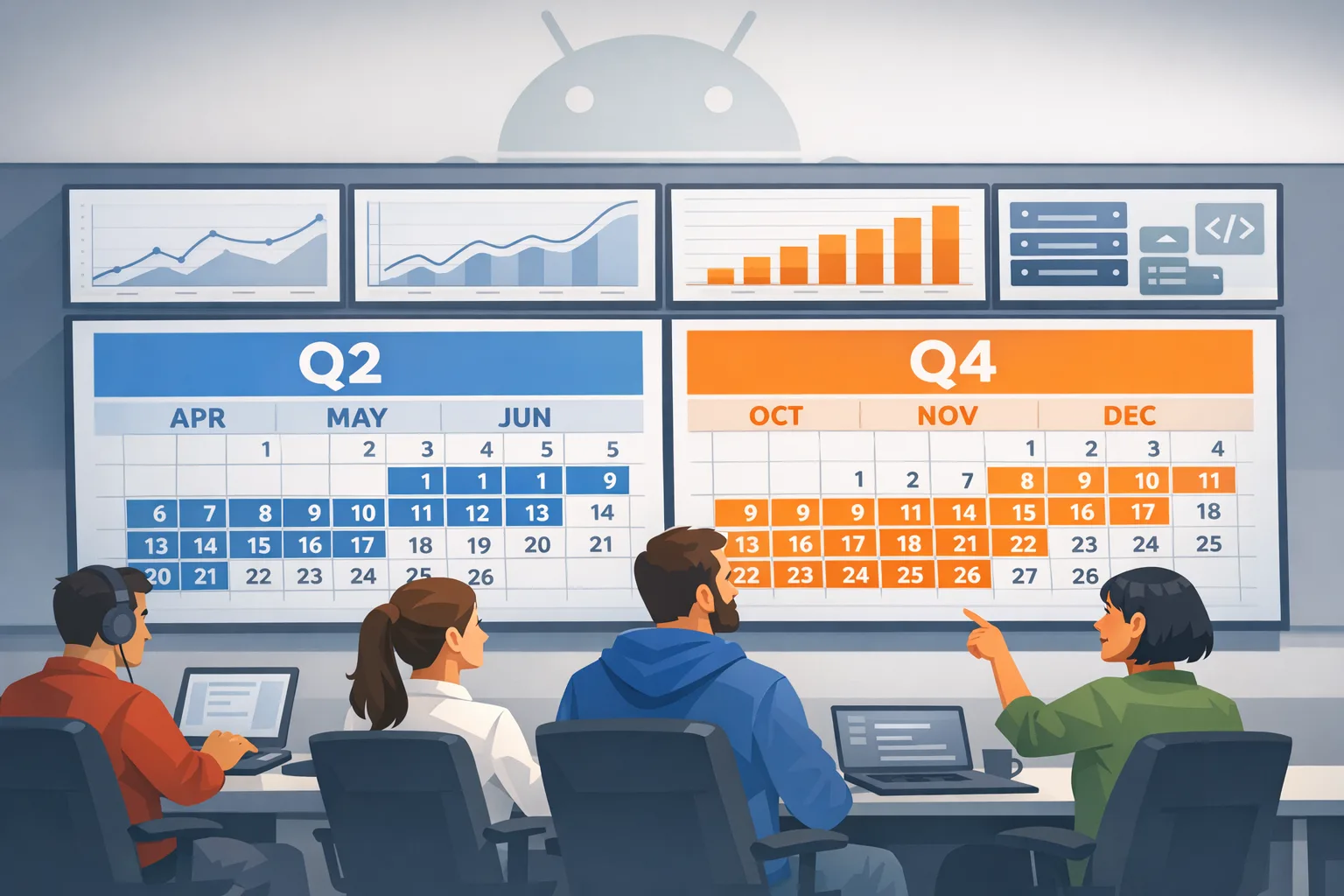
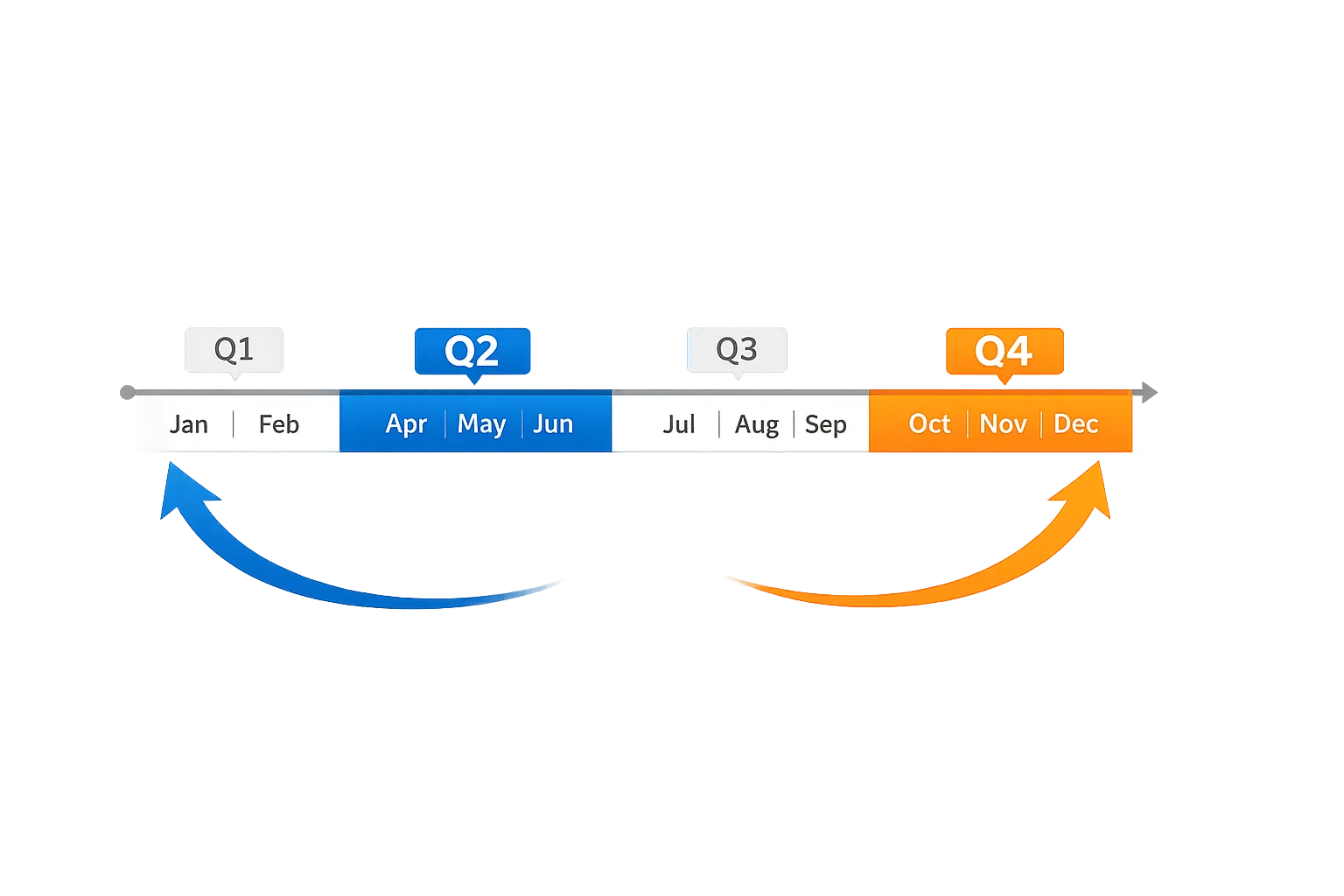
Google is changing the Android AOSP release cadence in 2026: instead of roughly quarterly source drops tied to QPRs, the Android AOSP release schedule now lands twice a year—once in Q2 and once in Q4. If you own an app portfolio, maintain a custom ROM, or run an OEM bring‑up team, that’s a real planning shift. Monthly security bulletins continue, but you’ll no longer see fresh AOSP every quarter. Here’s the playbook we’re giving clients—and using ourselves—to adapt fast and safely.
Google confirmed that AOSP source code will be published in Q2 and Q4 starting in 2026, aligning with its trunk‑stable model; security patches continue on dedicated branches. (androidauthority.com)
Why Google moved to a Q2/Q4 Android AOSP release schedule
The trunk‑stable approach keeps one main branch shippable, with features hidden behind flags until ready. Consolidating drops reduces branching complexity and forces longer‑lived stabilization windows. Google’s guidance also nudges platform developers toward the android‑latest‑release manifest rather than aosp‑main for day‑to‑day work. (androidauthority.com)
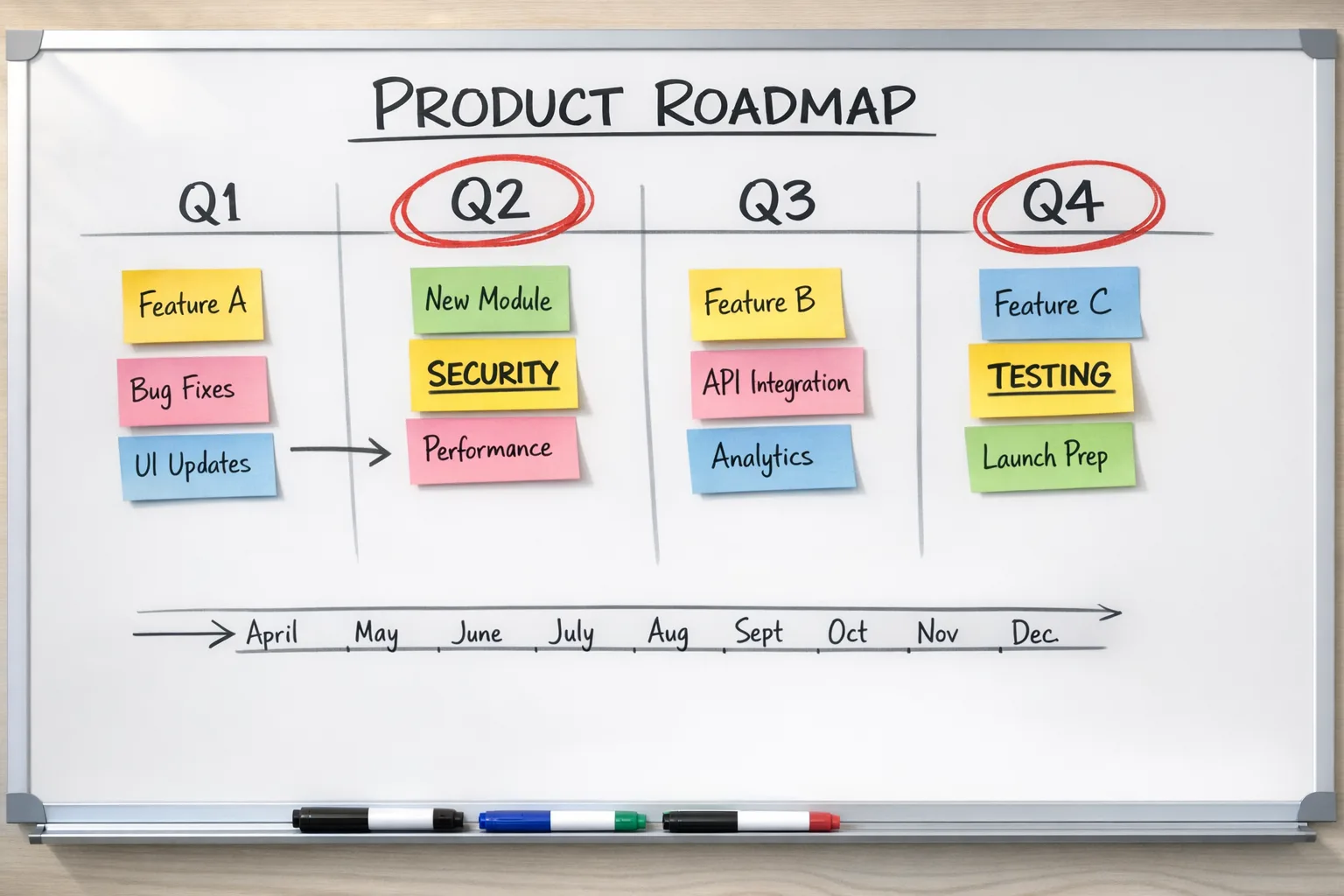
Practically, think of it like this: Q2 brings the year’s baseline Android release; Q4 packages the year’s mid‑cycle changes. QPR1 and QPR3 source won’t appear as standalone public drops; their changes roll into the next semiannual release. Third‑party analyses have noted this explicitly, and Google has stated that monthly security updates remain unaffected. (piunikaweb.com)
Who’s affected—and how
OEM and silicon partners
If you maintain device trees, HALs, and vendor blobs, your integration rhythm changes. You’ll integrate against a big Q2 branch and a delta in Q4, not four separate QPR‑tied source snapshots. That can simplify planning, but it concentrates risk: slip a merge window and you push fixes months, not weeks. Kernel alignment and GKI updates still follow their own cadence, so keep your kernel artifact mirrors current. (source.android.com)
Custom ROM and security‑focused distributions
Custom ROMs that rebased quarterly will now juggle fewer but larger rebases. That means more intensive merge resolution twice a year, plus a heavier backport pipeline in between. You’ll depend more on monthly security patches landing in security‑only branches and any upstream fixes from vendors to keep builds safe between drops. (source.android.com)
App product teams
Most apps won’t break because of this change, but your test matrix timing will. Features that used to surface behind public AOSP quarterly may now appear to developers via beta/QPR builds while the source lands later. Plan feature detection at runtime and pre‑release testing via beta programs rather than assuming quarterly source availability. Android’s monthly bulletins still publish, and OEMs still push device updates—so keep your security test sweeps aligned to those dates. (source.android.com)
What about monthly patches, QPRs, and Pixels?
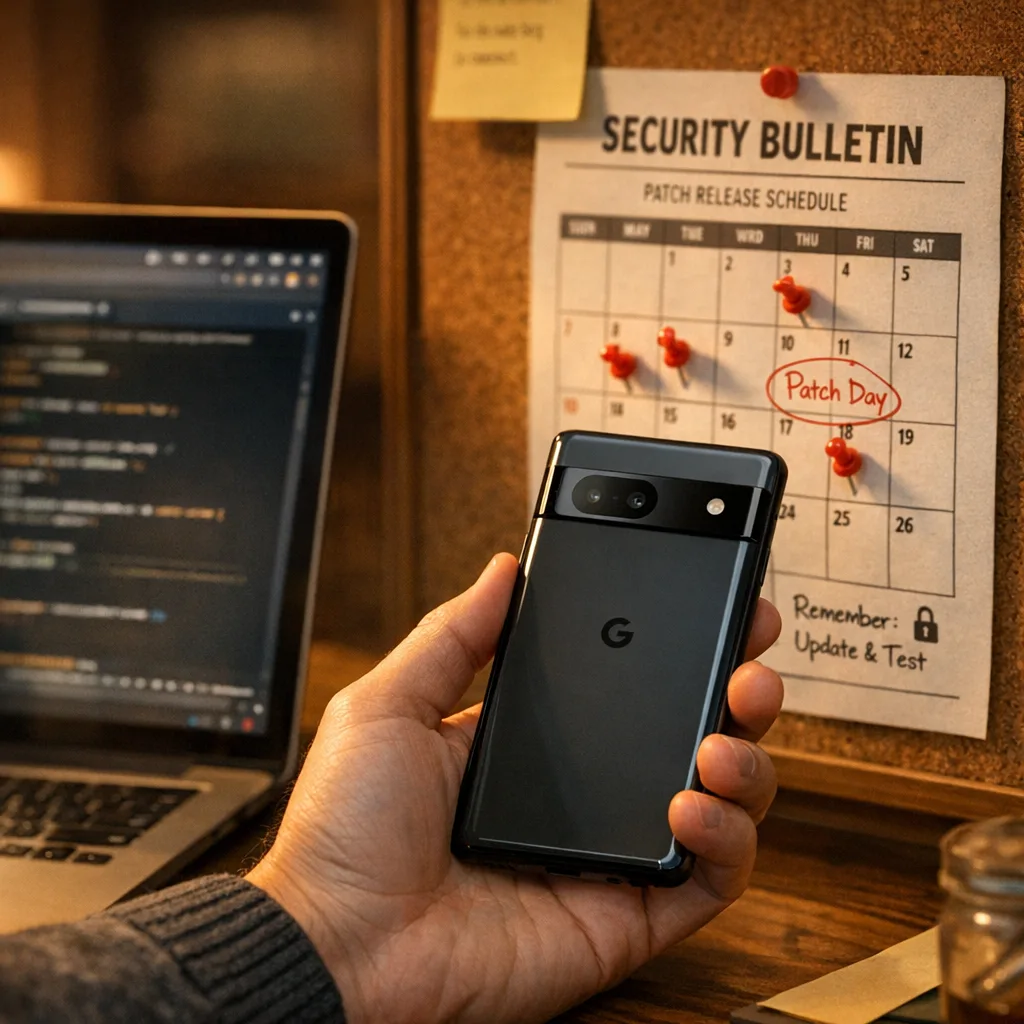
Security remains monthly. The January 2026 Android security cycle published the week of January 5–7, consistent with the “first Monday” pattern. That cadence isn’t changing. Several outlets also noted a lag for January Pixel bug‑fix OTAs, which happens occasionally; the broader point is that security bulletin timing and device OTAs aren’t guaranteed to coincide for every model. Build your ops around bulletins and patch levels, not just OEM calendars. (source.android.com)
For device teams, remember that some verticals publish their own monthly bulletins (Automotive, XR) that reference the main Android bulletin and patch levels. If your product spans phones, cars, or headsets, align your compliance dashboard to those linked patch levels. (source.android.com)
Let’s get practical: a 90‑day adaptation plan
Here’s a step‑by‑step plan we’re running with clients to absorb the new cadence without drama.
Days 0–7: Baseline and freeze
• Catalog your current Android branches (ROMs, forks, app targetSdk/minSdk, OEM trees, kernel versions). Identify anything tracking aosp‑main directly.
• Switch your build inputs to android‑latest‑release for platform work; pin hashes for reproducibility. (androidauthority.com)
• For apps: confirm your targetSdk plan for the next two quarters, noting Play’s targetSdk requirements and any policy‑driven change windows you already have on the roadmap (for example, U.S. Google Play external linking and billing enrollments due January 28, 2026 if you’re participating). (support.google.com)
Days 8–30: CI/CD and test matrix
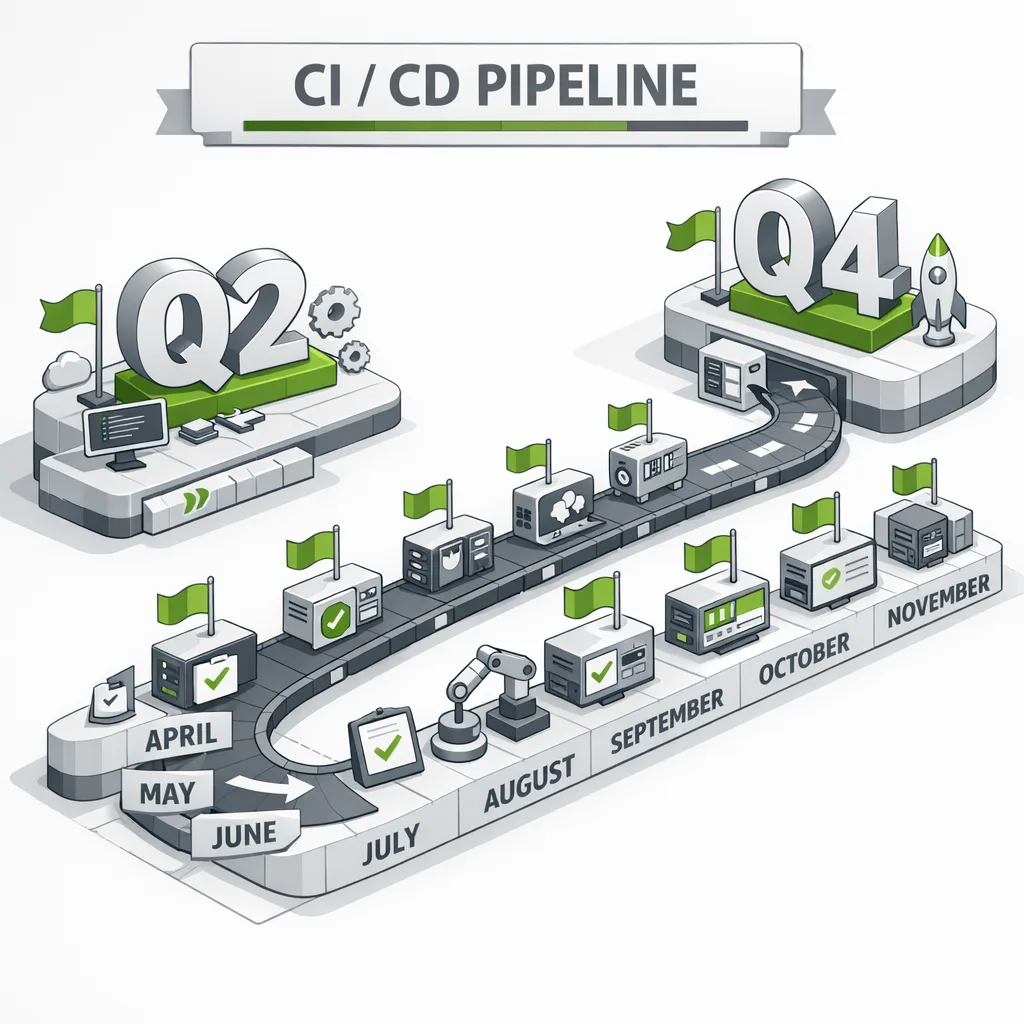
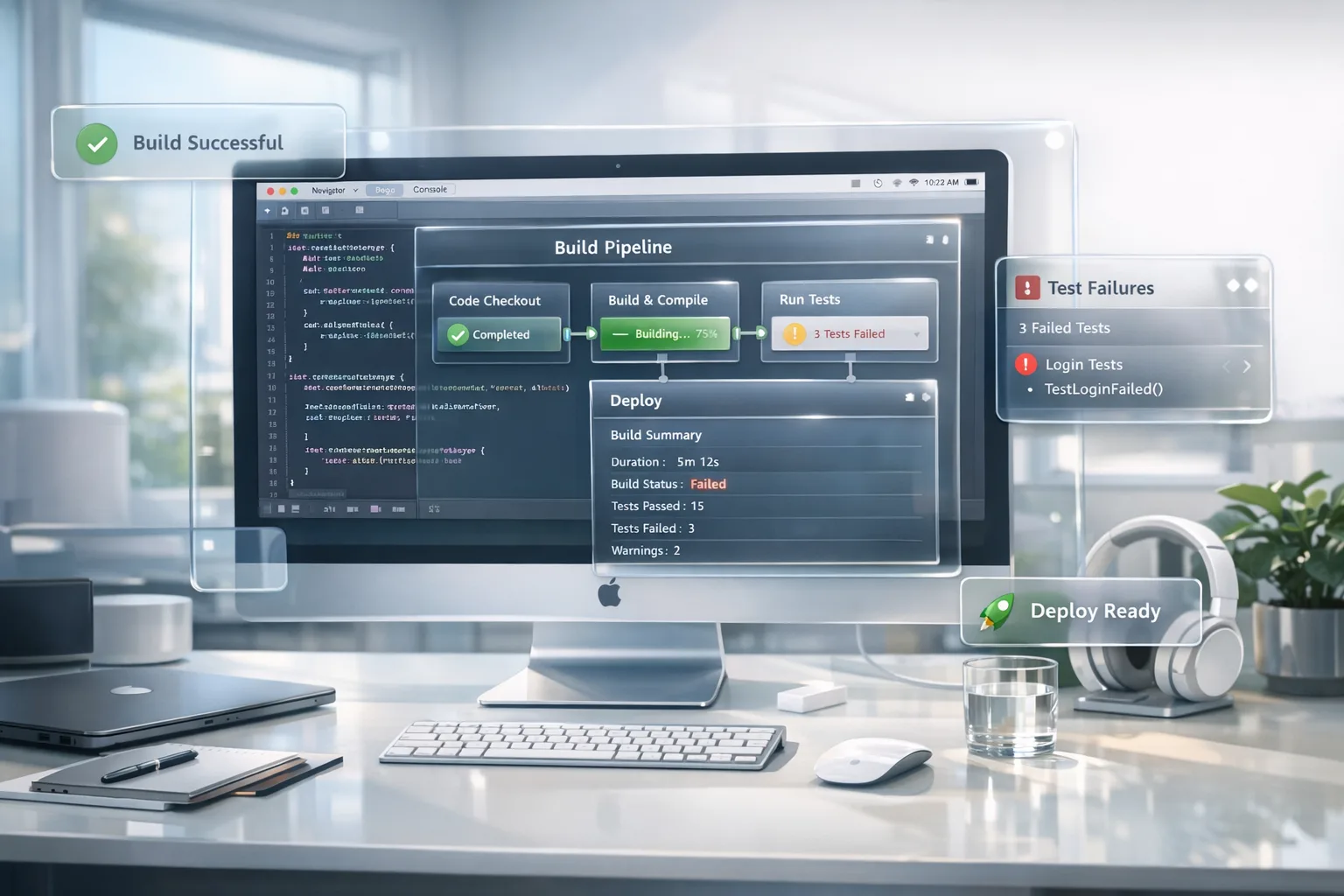
• Add two “AOSP intake” lanes in CI: Intake‑Q2 and Intake‑Q4. Each lane spins up build/test jobs against the latest preview and stable artifacts available through the beta program and your device fleet.
• On app CI, broaden device coverage for current and previous major Android releases plus OEM skins you support; schedule security‑driven smoke tests after monthly bulletins publish.
• For security: wire a monthly job to ingest the Android Security Bulletin and trigger dependency audits, Play Protect telemetry checks, and rollout gates based on patch level detection inside your app or device fleet. (source.android.com)
Days 31–60: Branching and backports
• Define a backport policy: what merits cherry‑picking into your downstream between Q2 and Q4 (crash fixes, CVEs, kernel CVEs, carrier requirements) vs. what waits for the next semiannual merge.
• Establish an emergency lane for “off‑cycle” adoption of security‑only branches when a bulletin warrants it. Decide who approves it and how quickly you can ship OTA or app updates.
Days 61–90: Release governance
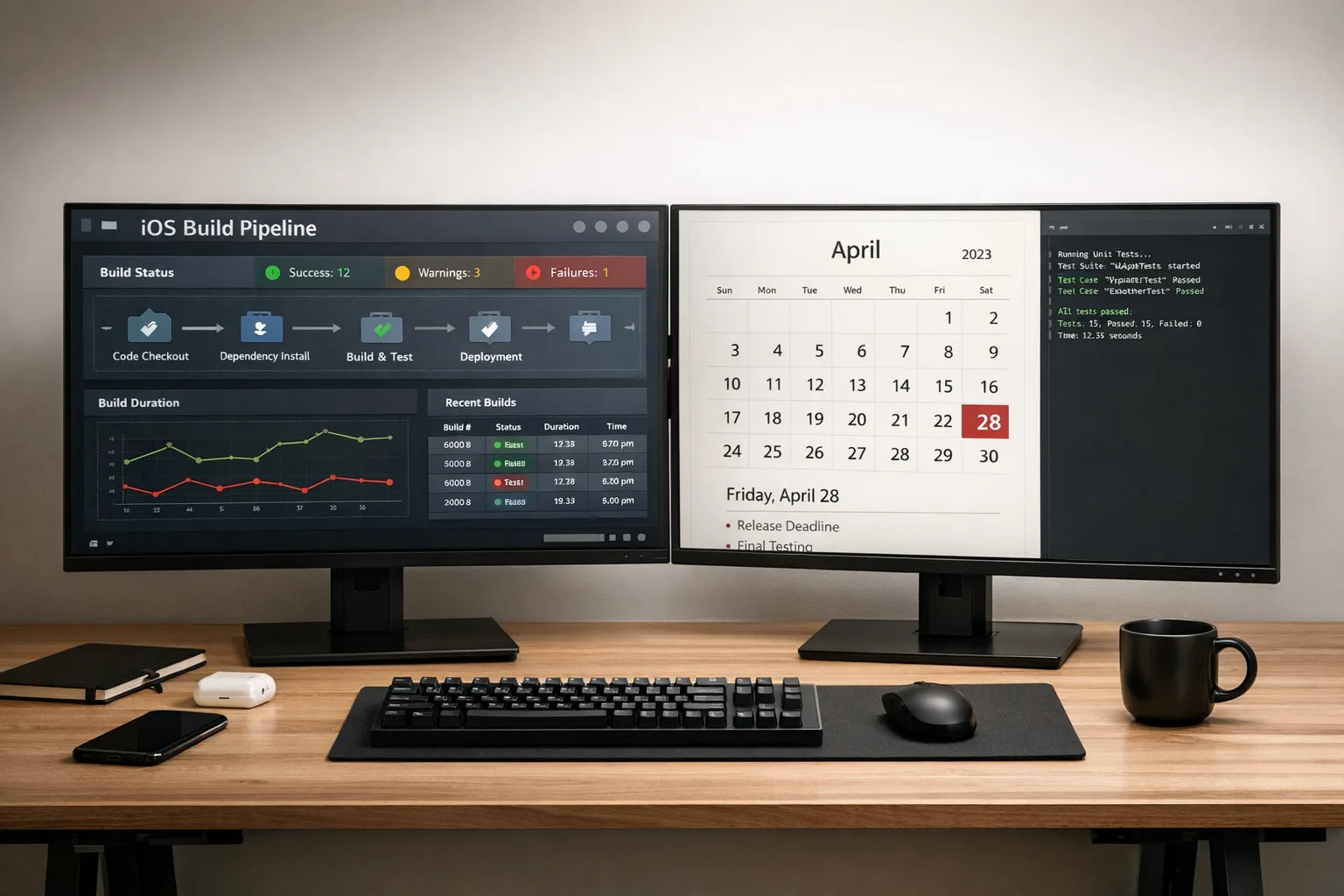
• Update your release calendar: two big integration sprints (Q2/Q4), monthly security smoke tests, and OEM/device vendor‑specific milestones.
• Teach your PMs to ask “What’s behind a flag?” and “What’s in the next semiannual drop?” so you don’t promise features tied to code you can’t yet inspect.
• Publish playbooks for rollbacks when Q2/Q4 merges regress OEM features (VoLTE, camera HALs, biometrics).
Build pipeline upgrades that pay off
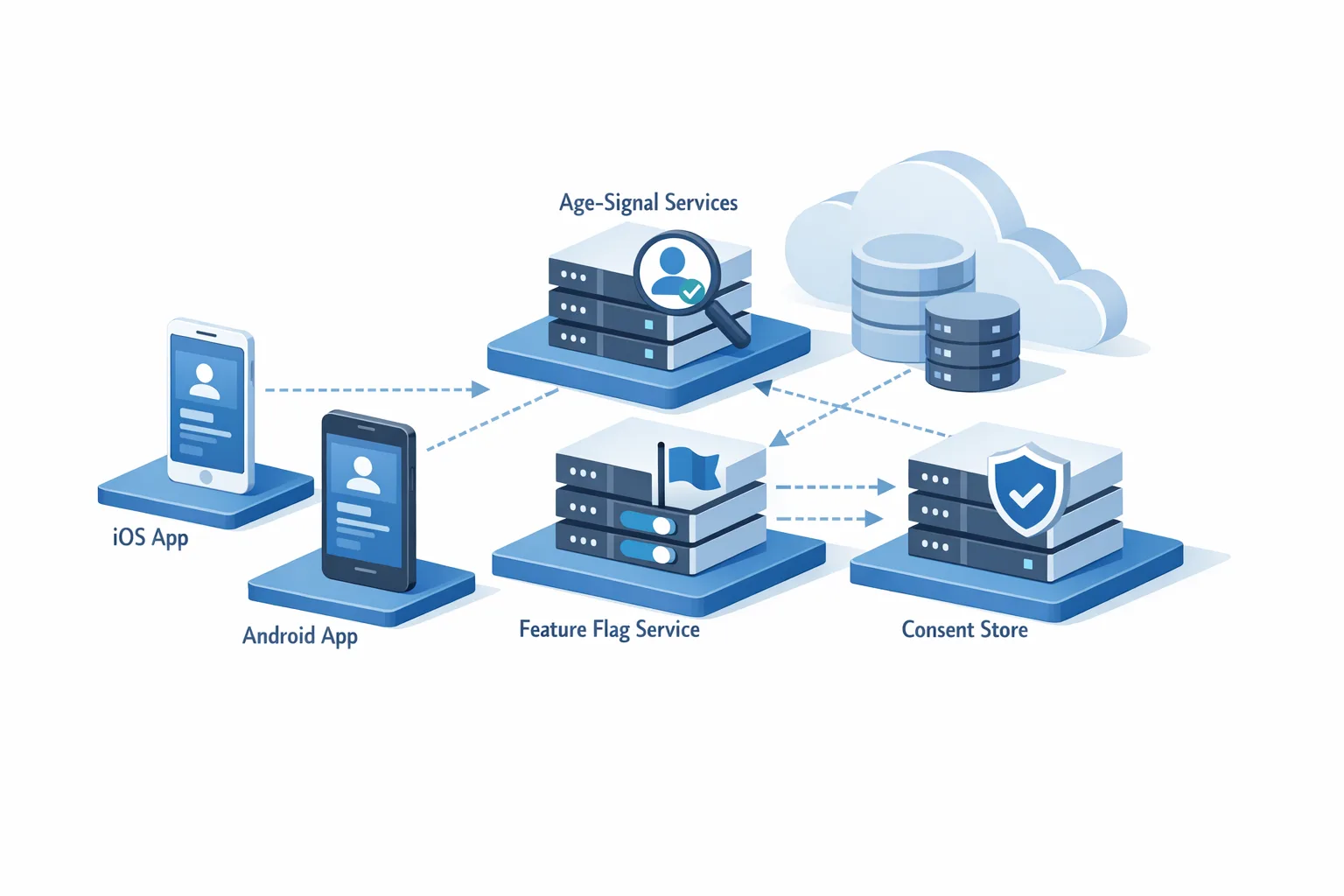
Use feature flags and runtime capability checks
With longer gaps between public source drops, feature discovery relies more on beta builds and release notes. Treat capability detection as first‑class: check intents, permissions, and system feature strings at runtime. Don’t gate app behavior on assumed QPR timing.
Artifact management: mirror what matters
Maintain internal mirrors of SDKs, NDKs, toolchains, device images, and kernel artifacts so your builds aren’t blocked by upstream changes. Track checksums and SBOMs for supply‑chain visibility.
Security automation around monthly bulletins
Bulletins still arrive monthly; automate patch‑level ingestion and regression tests that target media stacks, WebView, Bluetooth, and binder IPC. January 2026’s cycle underscores why: widely discussed Dolby‑related issues affected multiple platforms, and Android’s media surface made timely patch alignment essential. (piunikaweb.com)
FAQ
Will this slow security fixes?
No. Google says monthly security releases continue on dedicated branches. Your job is to automate intake and testing so you can ship device OTAs or app mitigations quickly after each bulletin. (androidauthority.com)
Do app teams need to change targetSdk timing?
Not because of AOSP cadence alone. Keep tracking Play policies and OS preview timelines. If you plan to use U.S.‑only billing or external links programs on Android, the operational enrollment deadline many teams are working toward is January 28, 2026—separate from AOSP. (support.google.com)
How do we handle QPR1/QPR3 diffs without quarterly source drops?
Expect those diffs to fold into the next semiannual drop. In the interim, lean on preview and beta builds, CTS/GTS test results, and vendor guidance. Maintain a patch queue for critical fixes and keep your HAL interfaces stable to reduce merge friction. Third‑party reporting suggests QPR1 changes roll into Q4 and QPR3 into Q2. (piunikaweb.com)
Will Pixels still get monthly updates?
Pixels typically receive monthly updates, but schedule hiccups happen. Treat the bulletin date as your anchor, not a single‑OEM OTA. (androidauthority.com)
Risk map: where teams stumble
• Backport debt: Longer intervals between source drops can tempt “we’ll wait for Q4.” Don’t. Backport crash fixes and critical CVEs promptly, especially in media, Bluetooth, and kernel graphics paths.
• Vendor drift: If your camera or biometrics HALs drift from upstream, the Q2/Q4 merges get ugly. Document deltas and keep stubs mirrored.
• Compliance collisions: January is already busy for mobile teams. iOS developers have to complete Apple’s updated age‑rating questionnaire by January 31, 2026 or App Store updates pause. Coordinate cross‑platform release trains so policy deadlines don’t collide with your Android integration sprints. (developer.apple.com)
A lightweight framework for Android planning in 2026
Use this three‑layer framework with your leads every quarter.
1) Cadence
• Semiannual AOSP intake (Q2/Q4).
• Monthly security sweeps pegged to the bulletin calendar.
• Continuous beta tracking for features hidden behind flags.
2) Quality
• “Must‑pass” device test suite for camera, media, location, and background restrictions.
• Performance budgets per device class; enforce them in CI on stable images pre‑ and post‑merge.
3) Commerce & compliance
• Keep Android billing/linking program enrollments and disclosures current if you operate in the U.S. market, and feature‑flag pricing so you can respond to fee or policy changes quickly.
• On iOS, ensure age‑rating updates are complete before the January 31, 2026 cutoff to avoid release blocks; build a similar intake checklist on your iOS side. (support.google.com)
Where we can help (and what to read next)
If you want a hands‑on blueprint for patch intake, CI setup, or feature flagging, our team ships this work for growth‑stage startups and enterprise portfolios. See how we scope mobile platform work on our services page, explore how we approach shippable engineering on what we do, and browse recent platform guides on our blog.
If Android security is top of mind this month, start with our developer‑focused walkthrough of the January cycle: Android January 2026 Security Update: Dev Playbook. Running Android commerce? Use our step‑by‑step Google Play External Links: 2026 Builder’s Guide to decide whether and how to enroll for the U.S. programs.
What to do next
• Add Q2/Q4 AOSP intake lanes to CI this week and pin android‑latest‑release in your manifests.
• Schedule a 60‑minute risk review for media and Bluetooth attack surfaces tied to monthly bulletins.
• Update your 2026 roadmap: two integration sprints, twelve security sweeps.
• If you ship on iOS too, confirm that your App Store age‑rating questionnaire is complete before January 31, 2026 to avoid a release block. (developer.apple.com)
There’s no reason this shift should slow your team. Fewer public drops can actually reduce churn—if you plan for larger, predictable integration windows and automate month‑to‑month security hygiene. That’s how you keep shipping on time while the platform keeps moving.

Comments
Be the first to comment.