
Node.js 24 LTS: The 2026 Upgrade Playbook
Node.js 24 LTS is now the default target for most production stacks, and April 2026 brought another meaningful bump. If you’re running Node 20 or 22, this is your window to move. This playbook breaks down what’s new, what can bite, and how to upgrade to Node.js 24 LTS without derailing a sprint.
Why Node.js 24 LTS matters right now
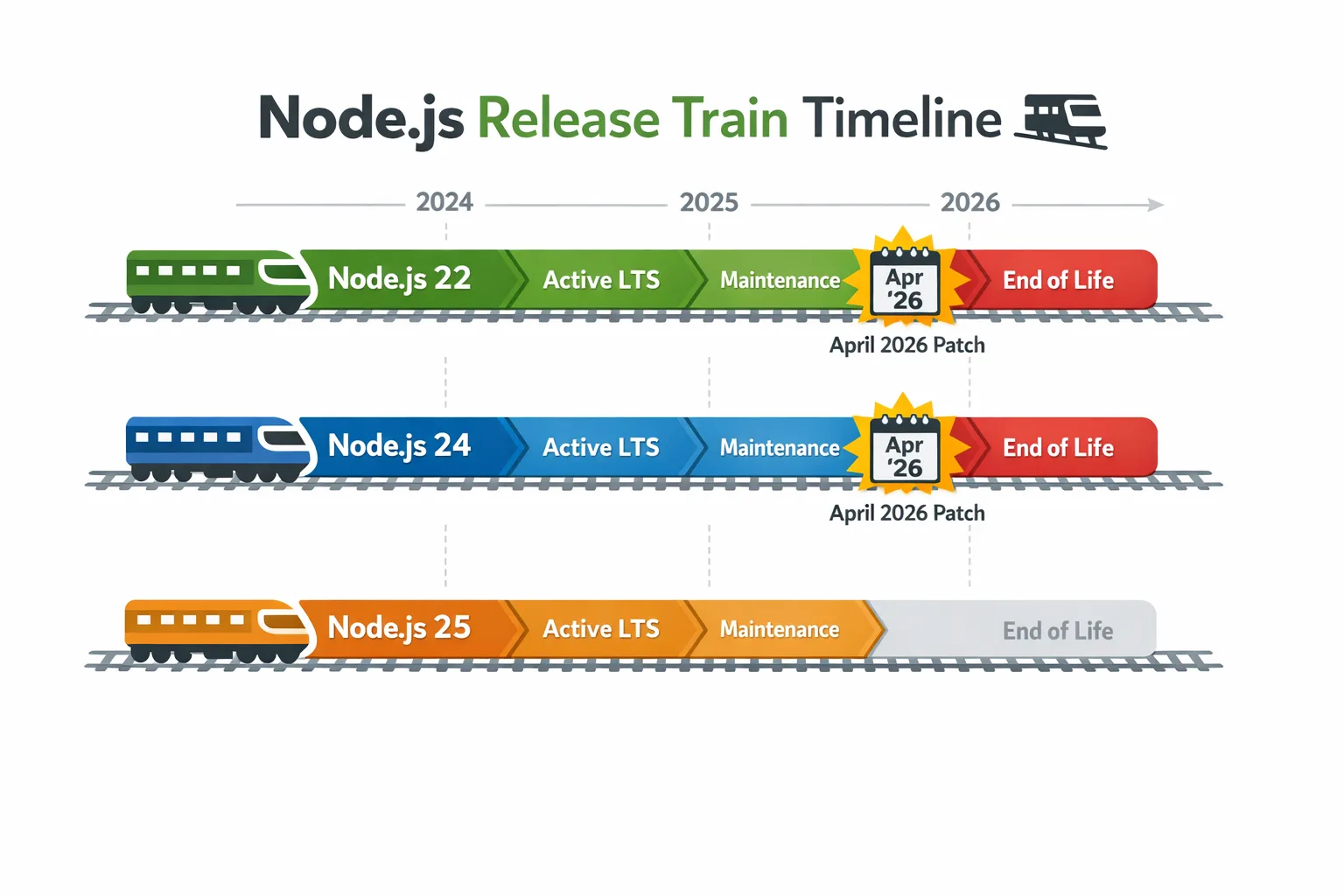
Here’s the thing: velocity and support windows drive upgrade timing more than hype. Node 24 entered Active LTS in late October 2025 and is slated to receive updates through April 2028. On April 15, 2026, the project shipped 24.15.0 (LTS) with useful quality-of-life improvements—enough that many teams can justify scheduling the upgrade this quarter instead of waiting.
If you’re still on Node 22, remember its LTS support ends April 2027. That sounds far away until you factor in audit cycles, partner certifications, and a safe runway for patching. Teams that plan now won’t be scrambling a year from today.
What’s new in April 2026 (Node 24.15.0) that you can actually use
Not every minor release moves the needle; this one does. Highlights worth caring about:
ESM/CJS interop is less awkward. require(esm) is now marked stable. In practical terms, mixing legacy CommonJS with ESM gets simpler, especially for codebases that still have a few require calls lingering in corners you haven’t refactored.
Smarter startup flags. The CLI picked up a --max-heap-size option for explicit memory ceilings and a modern --require-module switch to pre-load ESM-friendly modules at startup. Both help harden containers and standardize bootstrap behavior across services.
Test runner gains. The built-in test runner exposes a worker ID for concurrent runs and improves ergonomics around interrupts and module mocks. If you’ve been waiting to replace a patchwork of third‑party test tooling, Node’s native runner is now good enough for many server projects.
Built-in SQLite is maturing. The sqlite module is tagged as a release candidate, with incremental API polish. For lightweight services and CLIs, shipping fewer native dependencies is a real win; keep an eye on this if you manage many small utilities.
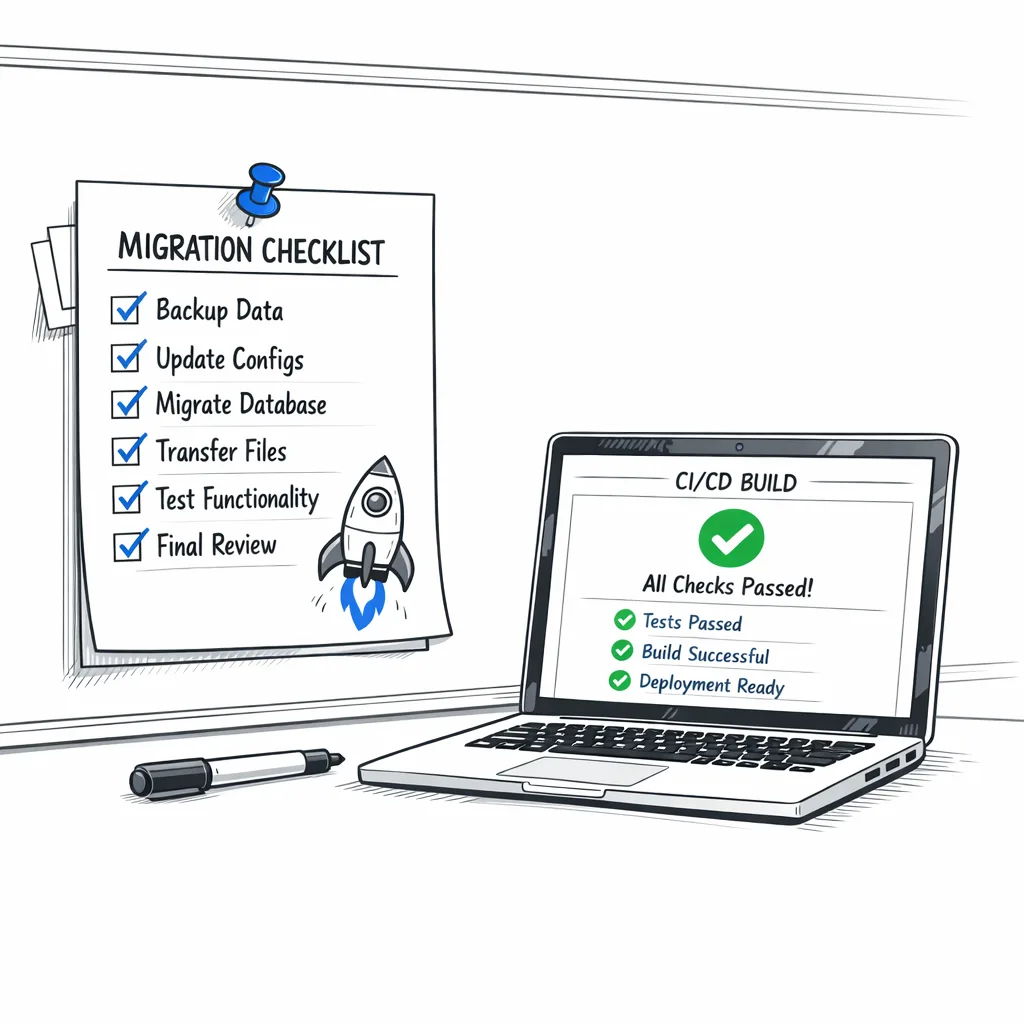
Node.js 24 LTS migration checklist
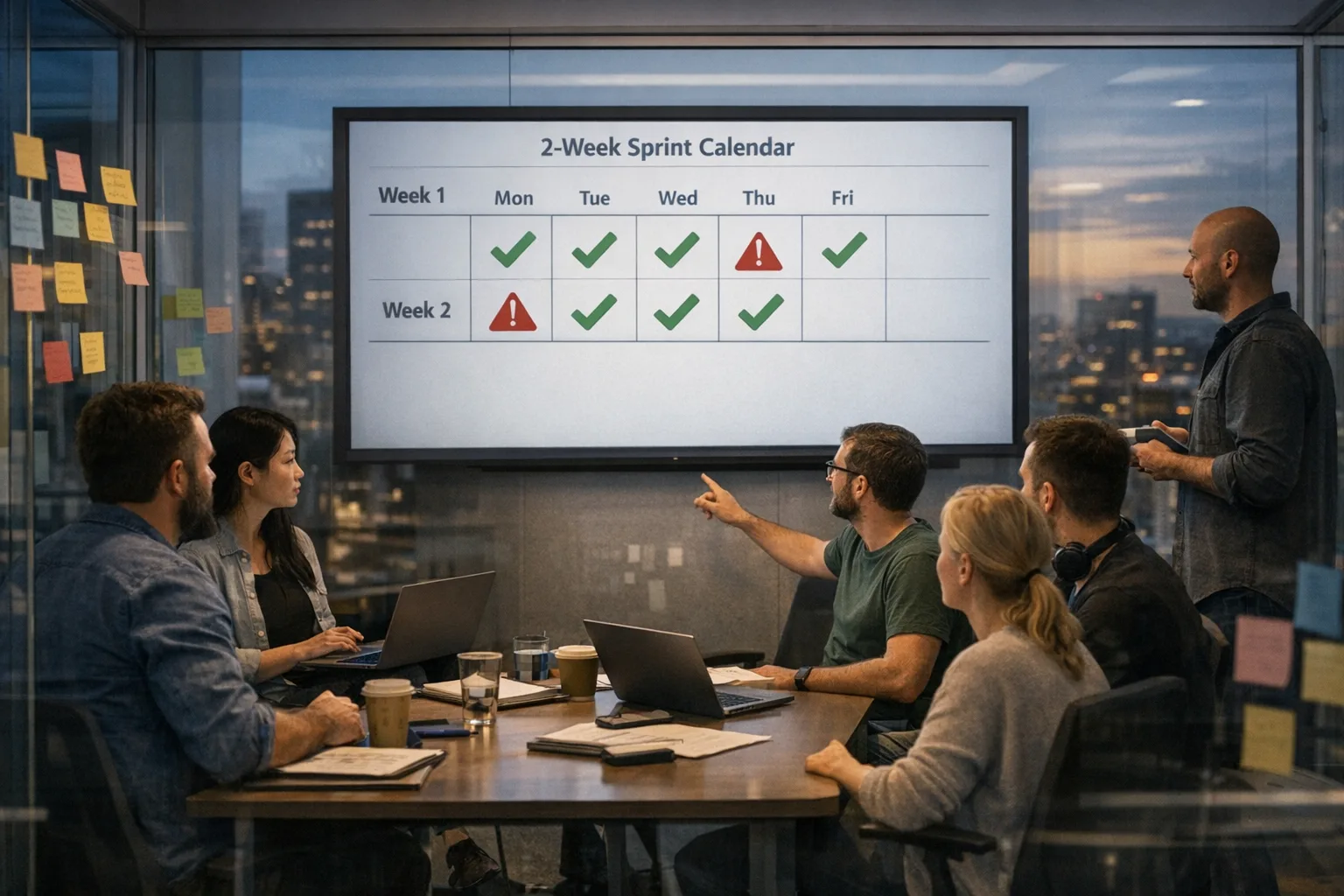
This is the shortest path we’ve used to move enterprise apps—and it fits in a two‑sprint window for most teams.
1) Lock your baseline and test in parallel
Create a CI matrix that runs your full suite on current production (20 or 22) and Node.js 24 LTS. Track pass/fail deltas per package. Block merges that regress on 24. The goal is visibility before you touch app code.
2) Confirm platform support and builders
Node 24 dropped 32‑bit Windows and 32‑bit Linux on armv7 and requires at least macOS 13.5 for official macOS binaries. Linux prebuilt support still targets glibc 2.28+. If you compile from source, check your compiler: gcc 12.2+ on Linux/AIX and Xcode 16.1+ on macOS.
3) Audit crypto and keys for OpenSSL 3.5
Node 24 ships with OpenSSL 3.5 at security level 2. That bans RSA/DSA/DH keys shorter than 2048 bits, ECC keys shorter than 224 bits, and any RC4 suite. Rotate weak keys now, and confirm partner endpoints meet the same floor. If you terminate TLS outside Node, validate your proxies too.
4) Sweep for runtime deprecations
Common hits we’ve seen:
- fs constants: Replace fs.F_OK/R_OK/W_OK/X_OK getters with fs.constants or fs.promises.constants.
- fs.truncate with FD: Use fs.ftruncate instead.
- Dirent paths: Switch from dirent.path to dirent.parentPath per the deprecation notes.
Run your suite with deprecation warnings on in CI to surface stragglers.
5) Tighten module interop
With require(esm) stable, you can retire some dynamic import workarounds. Use it sparingly while you finish your ESM migration. For libraries, publish dual packages with clear exports fields to avoid resolution surprises.
6) Right-size memory and startup
If you’ve ever had a runaway process in Kubernetes, add --max-heap-size to your container entrypoints. Consider --require-module to consistently pre-load tracing, metrics, or env bootstrappers across services.
7) Adopt the native test runner where it makes sense
Start by moving fast, hermetic units to Node’s test runner. Keep your end‑to‑end stack (Playwright/Cypress) as-is. Measure wall‑clock time and flake rate; if both improve, expand.
8) Re-evaluate C/C++ addons
V8 updates in Node 24 can require rebuilding addons and, in places, C++20. Where possible, move to Node‑API to reduce chronic rebuild overhead across majors.
9) Stage the rollout
Blue/green or canary 5% traffic, then 25%, then 100% over a business week. Measure p95 latency, memory, and error budgets at each step.
Breaking changes you can’t ignore
Platform support
If you distribute desktop tooling or run on edge devices, losing 32‑bit Windows and armv7 Linux may be the only blocker you hit. Either scope a minimal maintenance branch or move those targets to a separate runtime. For CI fleets, ensure macOS runners are 13.5+.
Crypto policy shifts
OpenSSL 3.5’s defaults remove some historical footguns. The most common production breakage we’ve seen is a legacy partner with 1024‑bit RSA keys. Fix that contractually, not with insecure fallbacks.
Behavioral tightening
Stricter fetch and AbortSignal semantics, clearer stream erroring, and test runner defaults can surface brittle tests. When failures look mysterious, read them literally—many are now explicit by design, which is good for long‑term reliability.
Performance, memory, and what to benchmark
Don’t assume a free win. You should explicitly measure:
- Cold start and warm throughput: Compare 22 vs 24 at steady-state RPS and p95 latency.
- Memory ceiling behavior: Enforce --max-heap-size and watch GC pauses versus OOM risk.
- Worker-based concurrency: If you use Workers for CPU tasks, profile total RSS. Each Worker carries its own V8 isolate and JIT caches; memory grows predictably with concurrency.
For APIs bound by network and I/O, we’ve seen parity or slight gains. For CPU-bound transforms (PDF, image, crypto), isolate tests per Node version and per CPU family—modern Intel and ARM react differently to small engine changes.

Security posture that actually improves
Beyond stricter crypto defaults, Node 24 continues to mature its permission model behind a flag. If you ship plugins or run untrusted scripts, consider enabling permissions for those processes so file system, network, and child_process access are opt‑in. It’s not a silver bullet, but it reduces blast radius.
Also review the --require-module path for standardizing security hooks (header validation, TLS pinning logic, diagnostics). Consistency is half the battle in incident response; this gives you one knob to turn across services.
People also ask
Is Node.js 24 LTS stable enough for production?
Yes—24 has been Active LTS since October 2025 and continues to get regular updates. If your dependencies are tested on 24 and your keys meet the OpenSSL 3.5 floor, you’re in good shape to roll out with a staged plan.
Should we skip to Node 25 instead?
If you value long support windows, stick to even versions. Node 25 is a feature train; when Node 26 arrives, you’ll be upgrading again. Most businesses prefer the even‑numbered LTS for predictability.
Can Node 24 run TypeScript without a build step?
Node can execute .ts files via built‑in, experimental type‑stripping. It’s handy for scripts and some services, but it’s not a replacement for full TypeScript transforms (no JSX/TSX or decorators without additional tooling). Treat it as a convenience, not your entire build pipeline.
A practical rollout plan we use with clients
Here’s a concrete two‑sprint plan that balances safety and speed:
Sprint 1 (Enablement): Add Node 24 to CI; fix deprecation warnings; rotate weak keys; set --max-heap-size in containers; add a canary environment with full observability. If you need a blueprint for controlled launches, our guide on a runtime upgrade strategy that actually ships breaks it down in detail.
Sprint 2 (Migration): Flip non-critical services first; migrate test suites to the built‑in runner where quick wins exist; validate memory under peak load; canary your most trafficked API for 48–72 hours, then widen traffic.
Have a complex monorepo or compliance requirements? See what our team delivers on the software engineering services page and browse relevant delivery patterns in our project portfolio. If you’d like a readiness assessment or a guided rollout, contact us.
The “don’t forget” list
- Containers: Bake Node 24 into base images and pin patch versions. If you rebuild nightly, subscribe to release feeds to avoid surprise behavior shifts midweek.
- CI: Update runners to macOS 13.5+ where applicable. On Linux, verify glibc compatibility for your oldest target.
- Observability: Tag metrics and logs with the Node major. When a graph twitches, you’ll know which cohort moved.
- Dependencies: Rebuild native addons and prefer Node‑API for long‑term stability.
- Security: Enforce OpenSSL 3.5 policy; don’t make exceptions for legacy partners.
What to do next
Here’s your short action list:
- Create a dual‑Node CI matrix (current vs 24) and publish a delta report to your team channel.
- Rotate any sub‑2048‑bit RSA or disallowed ECC keys; re‑issue certificates if needed.
- Add --max-heap-size and optionally --require-module to your service entrypoints.
- Migrate a low‑risk service to Node 24 canary by next week; track p95, RSS, and error budgets.
- Plan your ESM/CJS cleanup now that require(esm) is stable—pick one package and retire its dynamic import shim.
If you want a second set of eyes on the plan, our team has shipped dozens of safe upgrades. Start with a quick note via our contact form and we’ll propose a right‑sized approach—no boilerplate, just what fits your stack.

Upgrading to Node.js 24 LTS isn’t a leap—it’s a set of small, observable steps. Take them now while the calendar is friendly, and you’ll buy yourself two more years of predictable, faster releases without midnight fire drills.






Comments
Be the first to comment.