
Node.js 26 LTS: Ship‑Ready Checklist for October
Node.js 26 LTS is scheduled for October 28, 2026. Since 26.0 arrived on May 5 and the 26.5 update landed on July 8, the release line has settled into a clear shape: the Temporal API is enabled by default, the platform is on V8 14.6, Undici 8 powers HTTP, and a handful of legacy APIs were removed. If you own production Node services, use this as your plan to get to Node.js 26 LTS without breaking your week—or your uptime.
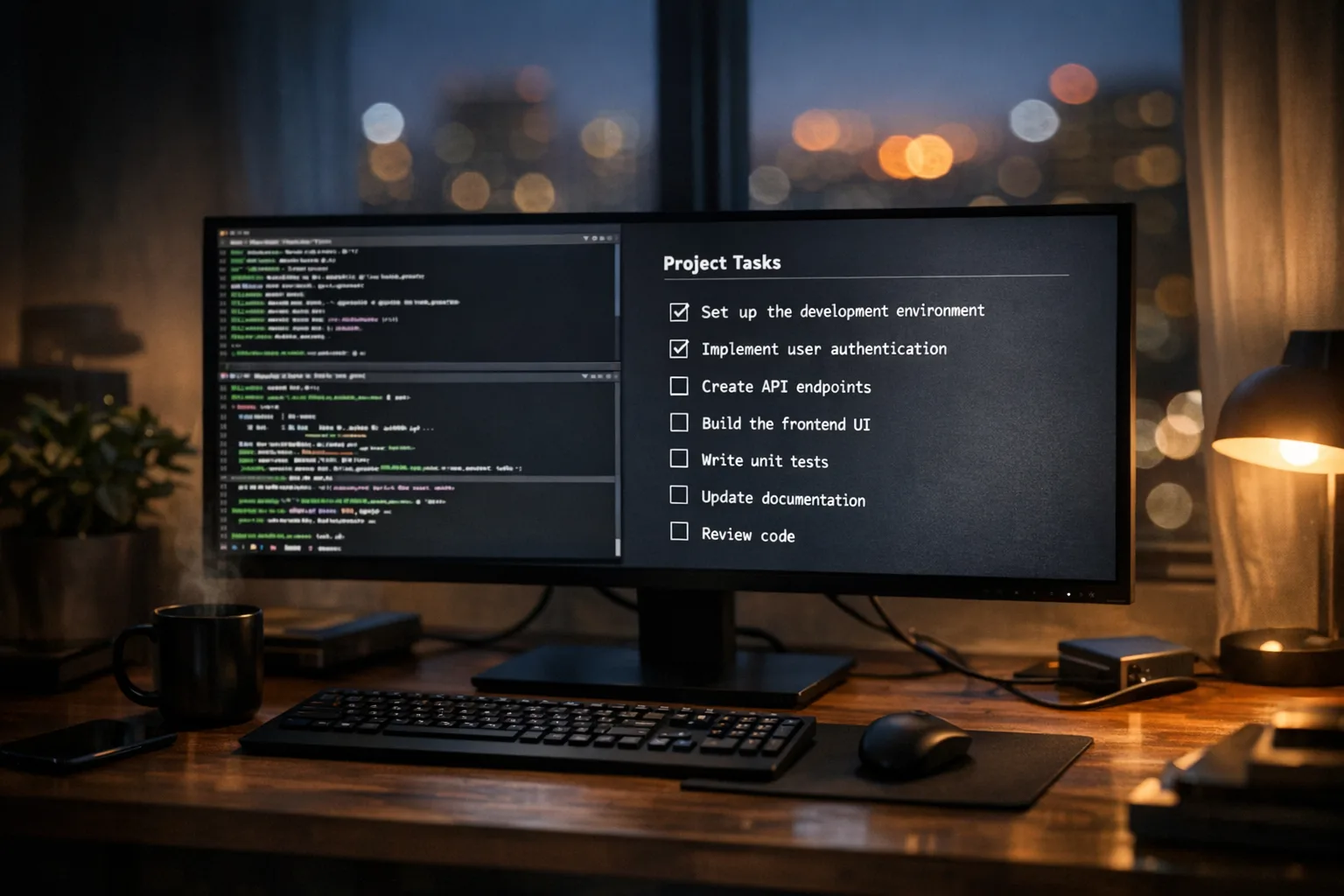
What actually changed in Node 26—and why it matters
Here’s the thing: most teams don’t upgrade for shiny features. They upgrade when there’s a concrete gain or an unavoidable change. Node 26 has both.
Temporal by default
Temporal fixes the chronic pains of Date: time zone math, DST-safe arithmetic, and precise instants. It’s available out of the box in 26.x. If you’ve been carrying homegrown utilities or moment/dayjs wrappers, you can start replacing fragile paths now.
Quick taste:
// Convert an ISO string to a ZonedDateTime and add 90 minutes
const zdt = Temporal.ZonedDateTime.from({ timeZone: 'America/New_York', ...Temporal.Instant.from('2026-07-13T17:00:00Z').toZonedDateTimeISO('America/New_York') });
const later = zdt.add({ minutes: 90 });
console.log(later.toString());
Adopt Temporal for new code paths first—billing windows, subscription renewals, SLAs. Then wrap adapters for older modules that still expect Date.
V8 14.6 and modern language features
The V8 bump brings performance and ergonomics, including Stage‑4 Map/WeakMap upsert methods (getOrInsert, getOrInsertComputed) and iterator sequencing. In practice, this lets you simplify hot code that builds indexes, tallies, or groups streaming data without awkward has/get/set branches.
Example—incremental grouping:
const grouped = new Map();
for (const [k, v] of stream) grouped.getOrInsert(k, []).push(v);
Undici 8 everywhere
Node’s HTTP stack leans on Undici, and 26.x keeps that train moving. If you’re still mixing node:http request patterns and legacy agents, it’s time to standardize on fetch/undici: consistent connection reuse, proxy support that behaves, and less bespoke code.
Fresh in 26.5 (July 8, 2026)
A few July additions are worth testing right away:
--experimental-import-textto import text files directly (great for small SQL, GraphQL, or policy snippets).ReadableStreamTeeexposed for duplicating streams efficiently (think: one branch to disk, one to a parser).perf_hookscan now sample delay per event loop iteration, making latency spikes easier to pin.- TLS now reports negotiated groups—useful for tightening crypto posture and debugging handshakes.
None of these require a redesign; they just remove friction in daily work.
Node.js 26 LTS timeline and support window
Mark these dates so product and platform teams stay aligned:
- May 5, 2026: 26.0 released (Current).
- July 8, 2026: 26.5 released with minor features and fixes.
- October 28, 2026: Node.js 26 LTS begins (Active LTS phase).
- October 20, 2027: Maintenance LTS starts.
- April 30, 2029: End of life.
Translation: if you move to 26.x this quarter, you’ll have a well-supported baseline through 2029, and you’ll skip a scramble later.
The Node.js 26 LTS upgrade checklist
Use this framework to plan, test, and ship. I’ve used the same flow across monorepos with dozens of services and it keeps surprises contained.
1) Update your engines, CI matrix, and local toolchain
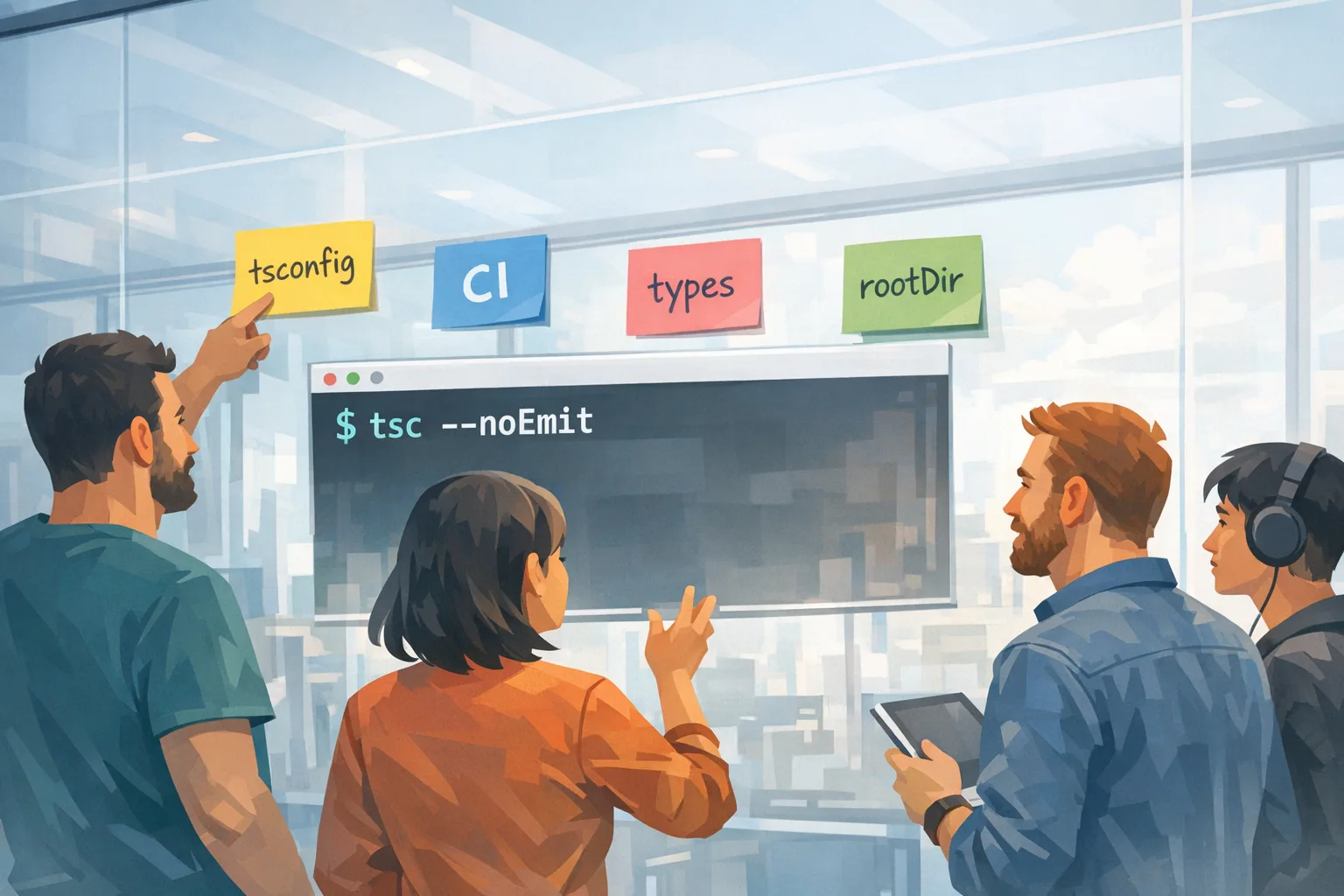
In package.json, set "engines": { "node": ">=26" } for services that will migrate now. Update GitHub Actions or your runner images to include 24.x and 26.x for a two‑release test matrix while you transition. If you compile native addons, ensure builders meet the newer GCC baseline called out by the project—otherwise you’ll chase opaque build errors.
2) Remove APIs that were actually dropped
Two removals will trip older code:
http.Server.prototype.writeHeader()is gone—usewriteHead().- Legacy private stream modules like
_stream_wrapare gone—stop reaching into internals and use publicstreamAPIs.
Search your repos and vendor forks for those symbols. If you maintain a forked dependency that still calls them, patch it before bumping engines.
3) Deprecations to stop ignoring
Runtime deprecations promoted in 26.x mean noisy logs and, eventually, breakage. If you see deprecation warnings in CI, fix them now. One example: module.register() is runtime‑deprecated; if you’re experimenting with loaders, prefer the supported hooks and options.
4) Plan Temporal adoption deliberately
Don’t big‑bang your date/time migration. Do this instead:
- Pick three high‑value paths (billing cycle math, trial expirations, SLA windows).
- Write tiny adapters that convert between
DateandTemporalprimitives. - Add tests that assert behavior across a DST boundary and a leap year.
- Switch new code to Temporal first; backfill old code after you’ve burned in.
Gotchas: serialize Temporal.Instant and ZonedDateTime consistently at boundaries (queues, DBs, caches). I’ve had the fewest headaches storing Instant.epochMilliseconds and reconstructing with the right zone at read time.
5) Standardize on fetch/Undici
Migrate legacy request code to fetch or Undici’s client. Verify proxy, DNS, and HTTP/2 settings in staging with production‑like traffic. If you’re on serverless/edge, Undici’s reuse and backoff behavior usually beats homegrown agents.
6) Trial the new flags safely
Want --experimental-import-text for tiny SQL or GraphQL schema files? Scope it to a single service first and enforce a size ceiling in review. The moment someone tries to import a 200 KB blob, you’ll feel it in cold start and bundle size.
If you’ve been evaluating Node’s permission model, keep it in non‑prod for now and wire it through CI with NODE_OPTIONS. It’s powerful for test isolation, but you’ll need to catalog legitimate filesystem/network access first.
7) Use the new perf hooks for guardrails
Enable per‑iteration event loop delay sampling in canary to watch for tail latency under peak load. It delivers concrete signals when a dependency update or GC change regresses responsiveness.
8) Refresh base images and build cache
Rebuild from clean images so you don’t blend toolchains. Pin Node 26 images explicitly, and if you ship for multiple architectures, test Maglev/CPU‑specific paths on Linux and verify you’re not tripping a slow JIT tier somewhere unusual.
9) Stage the rollout with budgeted blast radius
Roll to 5% of traffic behind a feature flag or shard, then 25%, then 100%. Watch: p95/p99 latency, TLS handshake errors, and outbound call retries. For data workloads, compare Temporal‑based time arithmetic against logs from the prior version for 24 hours to catch DST/zone mismatches.
10) Clean up after you land
Remove the 24.x CI job once the fleet is on 26.x. Lock your engines field, update internal templates, and document the Temporal patterns you chose so future services don’t reinvent the same helpers.
People also ask: quick answers
Do I have to rewrite all Date code because Temporal is on by default?
No. Temporal’s presence doesn’t break Date. Replace high‑risk logic first—where off‑by‑an‑hour bugs cost money or uptime. For the rest, plan a drip migration.
Is Node 26 safe for production before LTS?
Plenty of teams run current releases in production to pick up features sooner. If your risk posture is conservative, target the LTS start on October 28, 2026, but do your compatibility work now so that LTS is a switch flip, not a rewrite.
What will break when I upgrade to Node 26 LTS?
Most apps upgrade cleanly. The common breakages I’ve seen are private stream internals, lingering writeHeader() calls, and custom loaders touching deprecated hooks. Search your code and pinned forks for those patterns before you bump engines.
A minimal‑diff path for popular stacks
Express services. Upgrade Node images, run your test suite, and focus on three hotspots: request logging middleware that pokes private streams, legacy HTTP agents, and homemade date utils. Replace those with fetch/Undici and Temporal where it counts.
Next.js monorepos. Update the root engines and CI, bump your server runtime to 26.x, and smoke test API routes and streaming responses. If you deploy on serverless platforms, review platform Node 26 support and memory/startup profiles. For a sense of how platform changes can impact runtime behavior, see our take on function memory changes in what 5GB limits changed for serverless stacks.
What to do next
- Open a short‑lived feature branch that bumps to Node 26 across one service; record any deprecations.
- Replace one fragile
Datepath with Temporal and write DST/leap‑year tests. - Standardize outbound HTTP on
fetch/Undici; delete old request helpers. - Trial
--experimental-import-textin a small module with a size ceiling. - Plan a canary rollout and baseline event loop delay metrics before and after.
Need help shipping this?
If you want senior hands on the rollout, we do this work weekly. Start with our what we do overview, scan a few case studies in the portfolio, and check the scope options on our services page. If you’re under a deadline, skip the line and tell us your current Node version, CI system, and release dates on the contact form. We’ll build a plan you can ship.
Zooming out
Node 26 isn’t a splashy rewrite; it’s a quieter consolidation that nudges teams toward modern, safer defaults. Temporal reduces whole categories of bugs you never want to triage again. Upsert methods and iterator sequencing shave noise from code you read every day. The small July features remove friction in real workflows. If you move now—methodically—you’ll hit the October 28, 2026 Node.js 26 LTS date with confidence and fewer moving parts.



Comments
Be the first to comment.