Node.js security releases are arriving on December 15, 2025, and they span every active line: 25.x (Current), 24.x (Active LTS), 22.x and 20.x (Maintenance LTS). The pre‑announcement flags multiple high‑severity issues, which means teams should prepare for rapid upgrades the moment binaries and container images are published. This guide gives you a battle‑tested, production‑first plan to roll out the Node.js security releases without drama.
Here’s the thing: “we’ll patch tomorrow” collapses when your CI images, Lambda layers, native add‑ons, and edge runtimes all ride different Node branches. If you plan now—what to rebuild, where to test, how to validate crypto and TLS paths—you turn a scramble into a 90‑minute maintenance window.
I’ll lay out exactly what’s changing, what it means for containers and serverless, why native module rebuilds still surprise teams, and the quick checks I run before and after upgrades. If you lead an engineering org, you’ll also get a short decision tree to prioritize critical services first.

What’s landing and who’s affected
The project scheduled fixes across four lines, with three high‑severity issues noted, plus additional medium/low items. Expect patched builds for 25.x, 24.x, 22.x, and 20.x on or shortly after December 15, 2025 (UTC). If history is a guide, official installers, source tarballs, and Docker images on the library and vendor repos will follow within hours.
Where your estate likely sits today:
• 24.x (Krypton) is Active LTS since October 28, 2025. Most production systems should be here. 22.x moved to Maintenance LTS in October 2025, and 20.x remains in Maintenance LTS until April 30, 2026. 25.x is feature‑current and common in build agents, local dev, and some edge workloads that chase performance.
Why this matters: once Node ships a security batch, all earlier minors on those lines are considered vulnerable. If you pin to “node:24” or “node:22” without digest pinning, your next container build may pick up the patched runtime automatically. If you pin to a specific patch (for example, 24.6.2), you must bump intentionally.
Planning for Node.js security releases under real constraints
Security patches are rarely isolated in practice. They ripple: OpenSSL updates alter TLS behavior, V8 bumps tighten language corners, and Node core hardening flips defaults that your tests never covered. A clean rollout has three tracks running in parallel:
1) Runtime delivery: updated Node binaries and official images land; cloud providers refresh managed runtimes; your CI caches update.
2) Artifact rebuilds: containers, Lambda layers, serverless functions, and any native modules get rebuilt against the new ABI and dependencies.
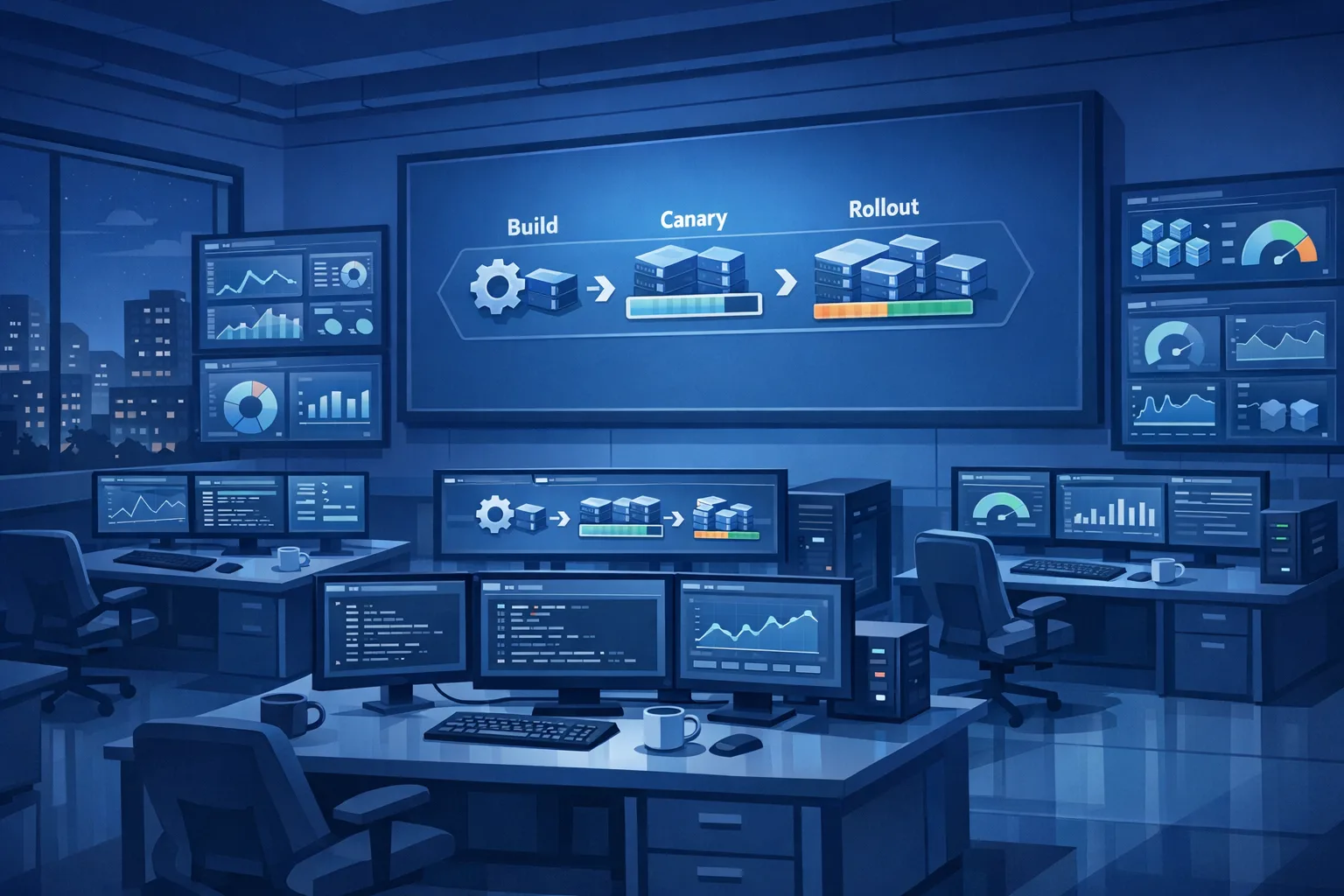
3) Verification: synthetic checks plus real traffic canaries catch regressions in TLS, crypto, HTTP/2, gRPC, and worker threads before a broad rollout.
Zero‑downtime rollout: a practical, time‑boxed plan
T‑24 hours: assemble facts and freeze the window
• Inventory your Node surface area. It’s never just “the API.” List: Docker base images, multi‑stage builds, CI runners, Node‑based tooling (TypeScript, ESLint), serverless runtimes (Lambda, Cloudflare Workers, Vercel Functions), and any native add‑ons (bcrypt, sharp, better‑sqlcipher, canvas, grpc‑js bridging to native).
• Stage build environments. Pre‑warm a branch that bumps your base images to the upcoming tags (e.g., node:24‑bookworm‑slim). If you digest‑pin, prep PRs to swap SHAs as soon as the patched images publish.
• Lock a maintenance window and a rollback plan. Blue/green or canary? How many minutes at 1% traffic before expanding? Who owns a go/no‑go call? Decide now.
T‑0 to T+90 minutes: ship like you mean it
• Rebuild everything that executes Node: containers, Lambda layers, edge functions, build images. Don’t cherry‑pick. If your CI uses a Node image to build non‑Node artifacts, it still inherits runtime CVEs in the pipeline environment.
• Run a fast battery of checks: node -p "crypto.getCiphers()" to sanity‑check OpenSSL loading; a TLS handshake to a known MTLS endpoint; HTTP/2 and gRPC hello; a quick fs perf probe; and a smoke test for worker_threads under load.
• Canary release to 1–5% for 10–15 minutes in your busiest region, then scale up. Watch error rates, handshake failures, and any surge in 5xx from upstream dependencies.
• Rotate secrets used during builds. If you pulled unpatched base images in the past week, treat those CI tokens as potentially exposed—especially npm tokens, which have been high‑value targets this year. If you haven’t already, read our npm Classic Tokens revocation guide for CI and move to granular, scoped automation tokens.
T+24 hours: audit and backstop
• Verify fleet convergence. Confirm no long‑lived pods or autoscaling groups are still on old images. For Kubernetes, enforce runtime image policies and record image digests at deploy time.
• Run SCA and runtime scans. SCA should show the new Node patch; runtime sensors (e.g., Falco or eBPF‑based) should confirm no anomalous syscalls after the upgrade.
• Capture lessons learned in the repo. A 15‑line "SECURITY_RELEASES.md" with commands, owners, and test URLs is gold next month.
“Will this break my build?” and other quick answers
Do I need to rebuild Docker images if I use distroless or Alpine?
Yes. Distroless or Alpine images still embed the Node binary and its dependencies. When Node or OpenSSL patches land, you must rebuild base images and your app layers. For Alpine specifically, watch for musl‑related edge cases (DNS resolution, locale handling, crypto entropy) that differ from glibc. If you compile native add‑ons in‑image, you’ll want a fresh build stage to ensure the correct headers and ABI are used.
Will this break native add‑ons?
Usually no, but test. Node‑API (N‑API) is designed for ABI stability; however, toolchain and transitive library changes can bite. Anything using OpenSSL, zlib, or libuv directly should be rebuilt and smoke‑tested. Common “surprises” I see: prebuilt binaries pulled from GitHub Releases that lag behind the Node patch, and canvas/bcrypt builds that silently fall back to slower code paths when the native module fails to load. Turn failures into hard errors during CI to avoid shipping a slow path to production.
What about serverless: will my provider auto‑patch?
Managed serverless runtimes generally refresh to the latest patch within the same major/minor. That helps—but it doesn’t relieve you from testing. If you bundle a custom runtime, a Lambda layer, or pin a container base image, you own the upgrade. Plan to publish fresh layers and verify cold‑start and TLS behavior under both provisioned and on‑demand concurrency. If you’re mid‑migration, an incremental approach (update runtime first, then dependencies) reduces blast radius.
Verification checklist you can run in under an hour
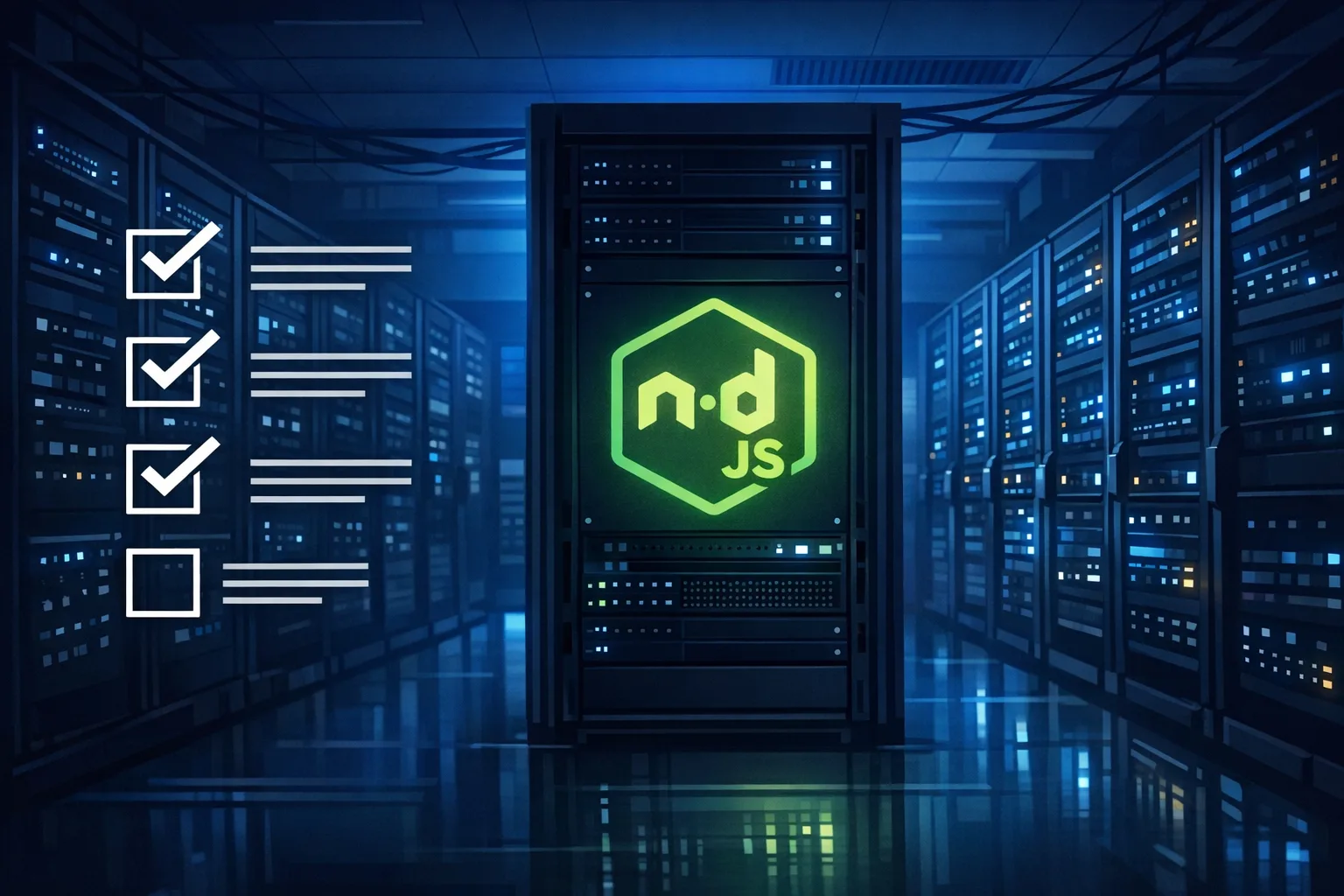
Use this as a lightweight gate before you flip traffic beyond 5%:
• TLS and crypto: hit an internal MTLS endpoint and a known external with modern ciphers; verify certificate chain validation and session resumption. Check for any policy changes in minimum TLS versions if you set secureOptions.
• HTTP/2 and gRPC: run a small load test (100–200 RPS) through an envoy/nginx front door and watch for stream resets or flow‑control regressions.
• Worker threads and timers: run a CPU‑bound task in a worker and ensure event loop latency stays where you expect under load.
• Native modules: force a recompile and assert module version compatibility via process.versions and require('module').builtinModules sanity checks.
• Observability: validate logs, metrics, and traces still propagate (OpenTelemetry exporters sometimes couple tightly to Node’s http/https internals).
Data and dates you should anchor on
• December 15, 2025: targeted drop for the patched 25.x, 24.x, 22.x, 20.x lines.
• LTS status: 24.x is Active LTS (since Oct 28, 2025), 22.x and 20.x are Maintenance LTS. Upstream Node 18 reached end‑of‑life on April 30, 2025 (some vendors provide extended backports, but that’s not a reason to stay behind).
• Operational reality: once patches land, older patches in those lines are considered vulnerable. If you’re on 24.x, aim to be on the latest patch of that line within 48 hours for Internet‑exposed services.
Hardening moves to bake in while you’re here
• Pin images by digest in production pipelines, then auto‑bump via a bot PR that includes SBOM diffs. Tag pinning alone isn’t enough.
• Treat your CI as prod. If your build containers run Node, they inherit Node vulnerabilities. Rotate CI secrets and rebuild builder images the same day you patch apps.
• Enforce a runtime allowlist for outbound egress in Kubernetes or ECS. Many supply‑chain intrusions hide in postinstall scripts during npm/yarn/pnpm phases; keep build egress scoped to your registry mirrors and artifact stores.
• Add a canary test that opens a TLS connection using the exact cipher suites your payment or identity partners require. When OpenSSL bumps, partners with strict policies are where breakage shows up first.
What to do next (developers)
• Open a tracked task for the December 15 Node updates in every service repo.
• Prepare PRs that bump base images, Lambda layers, and any prebuilt native dependencies.
• Run the one‑hour verification checklist on staging, then on a 1–5% canary.
• Merge, deploy, and confirm fleet convergence via image digests and runtime fingerprints.
• Capture post‑mortem notes for the next cycle.
What to do next (engineering leaders)
• Sequence by exposure: edge and auth services first, internal batch jobs last.
• Put a 48‑hour SLA on Node security releases for Internet‑facing assets. You can relax to seven days on internal tooling after risk review.
• Make “Node patching” a compliance control that auditors can check: evidence should include image digests, deploy SHAs, and CI logs.

If you’re stuck on older or vendor‑locked runtimes
Sometimes you can’t move fast: embedded systems, vendor plug‑ins, or OS images that gate runtime versions. You still have options. Enterprise distros and cloud vendors occasionally backport security fixes to older Node branches packaged with their OS, but be clear‑eyed about the tradeoffs. Extended backports reduce immediate risk but increase drift. If you take this path, scope the exception: which hosts, which services, what sunset date, and what additional compensating controls (WAF rules, strict egress, credential rotation cadence) you’ll enforce while you upgrade.
If you’re deciding where to land next, target 24.x LTS for production and keep 25.x to non‑production or specific performance‑sensitive services you can roll back quickly. When you do the upgrade work, also clean up permissions in CI. This year’s supply‑chain incidents in the JavaScript ecosystem were a wake‑up call—if you missed our practical defense notes, our December Patch Tuesday playbook and the Next.js security fixes guide cover rollout mechanics and dependency hygiene you can reuse here.
A quick framework you can reuse next month
Use this three‑layer model for every runtime patch cycle:
• Layer 1 — Runtime integrity: update Node; verify crypto/TLS and language runtime; confirm container base images are rebuilt; rotate CI credentials.
• Layer 2 — Dependency health: refresh lockfiles; rebuild any native add‑ons; run npm audit/pnpm audit with exceptions documented; diff SBOMs and push to your asset inventory.
• Layer 3 — Service posture: re‑run SAST in CI, e2e smoke tests and canaries in prod, and runtime anomaly detection for 24 hours post‑deploy.
These layers keep you honest: you can’t “just bump Node” and call it a day. You build a repeatable muscle.
People also ask
How fast should we deploy Node security patches?
For Internet‑exposed services, within 24–48 hours of release is a sane default. For internal services, up to seven days with compensating controls. The more critical the service (auth, payment, API gateways), the closer you want to that 24‑hour mark.
Do we need full regression suites or are smoke tests enough?
Smoke tests plus strong canaries catch the majority of runtime regressions. Run the short verification checklist in this article, then monitor error budgets and business KPIs as you scale traffic. You still want your nightly full suite, but don’t block security rollouts waiting on every long‑tail UI test.
Will this change how Next.js or React servers behave?
Not directly, but frameworks inherit runtime changes. If your app uses React Server Components or Node’s experimental fetch/undici features, test streaming responses, compression, and HTTP/2 under load. Our recent write‑ups on patching Next.js and hardening React servers include checklists you can reuse: see the Next.js patching plan and the React2Shell 14‑day proof plan.
Zooming out
Patching Node isn’t just about closing CVEs. It’s also where you catch the quiet drift that accumulates in build images, Lambda layers, and base OS libraries. If you turn the December 15 drop into a crisp, repeatable routine—inventory, rebuild, verify, canary—you’ll ship faster this month and every month after. When the next batch lands, you won’t scramble. You’ll run the playbook, watch the graphs, and get back to shipping features.
If you want a hand tuning this plan to your stack, our team has shipped Node upgrades across monorepos, microservices, and polyglot serverless estates. Start a conversation on our contact page or browse how we approach platform work in What We Do and the portfolio.




Comments
Be the first to comment.