
GitHub Actions Security: July 2026 Survival Guide
GitHub Actions security just tightened—and that’s good news if you care about supply‑chain risk. The short version: suspicious workflow runs in public repos can now be held for approval, safer defaults ship for a notorious pull_request_target trap, and minimum versions for self‑hosted runners start enforcing. If your team owns CI/CD, treat this week as a mini change window. This guide explains the updates, maps the timelines, and gives you a practical playbook to keep velocity while improving GitHub Actions security.
Here’s the thing: the biggest incidents we’ve handled this year haven’t been zero‑days; they’ve been workflow misconfigurations and stale runners. These changes directly target those failure modes. Let’s break them down and ship a safe, low‑drama rollout.
What changed this week (and the exact dates)
These are the concrete shifts landing the week of July 28–31, 2026. Pin them to your change calendar.
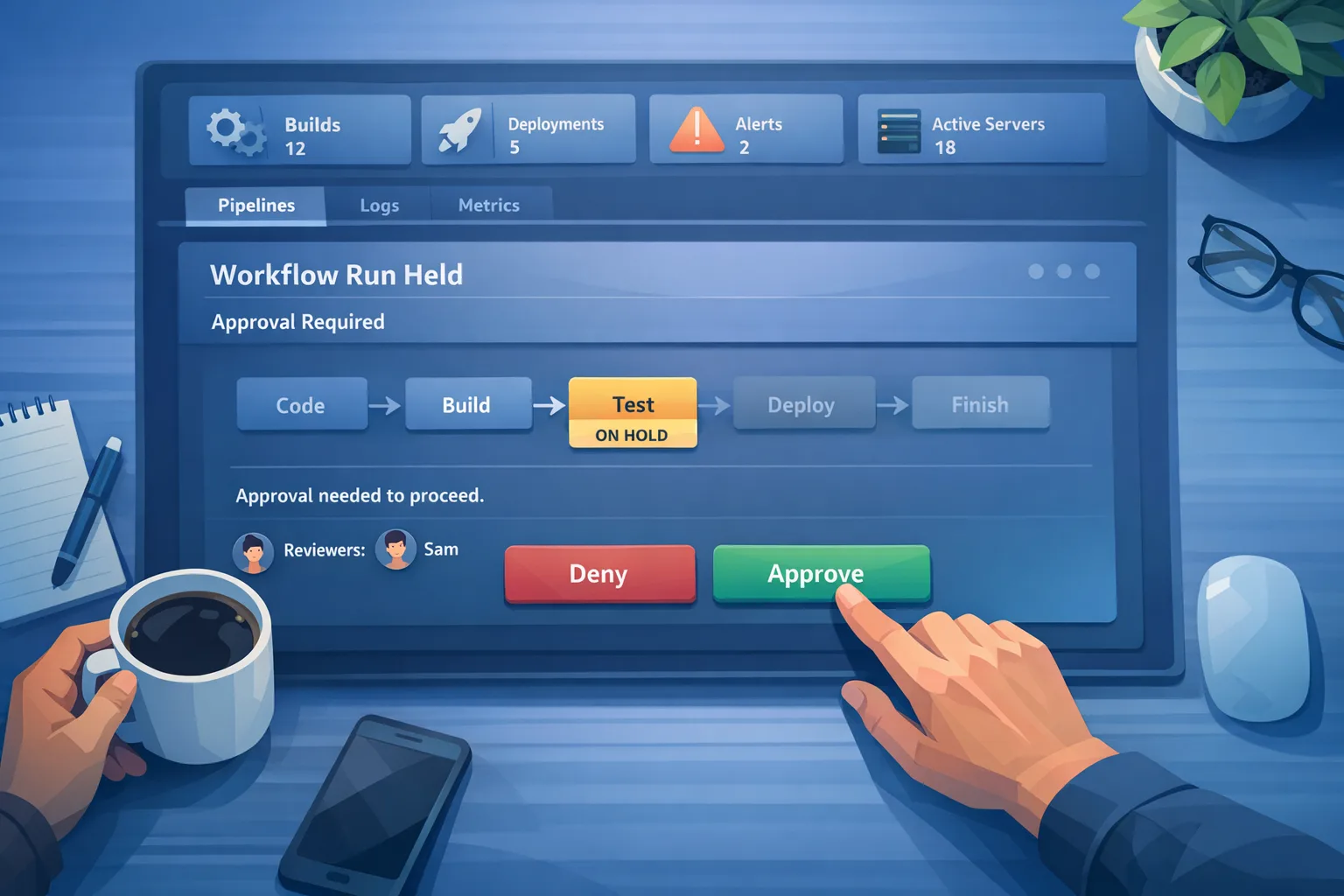
- Held runs for suspicious workflows (public repos): Starting July 28, certain workflow runs in public repositories are automatically held for manual approval by a collaborator with write access. The goal: stop malicious runs before they execute secrets‑bearing jobs.
- Safer defaults for
pull_request_target+actions/checkout: As of late June,actions/checkoutv7 refuses common “pwn request” patterns by default. Enforcement was backported across supported major versions in July. If you’re pinned to a floating major (like@v4) you likely picked this up automatically; if you’re pinned to a specific SHA, you did not. - Self‑hosted runner minimum version enforcement: For GitHub Enterprise Cloud with Data Residency, full enforcement begins July 31, 2026. Out‑of‑date runners (e.g., older than the minimums described by GitHub for registration and job execution) stop registering and, on stricter days, stop running jobs.
Why the urgency? Because these three changes interact. Held runs can delay merges; stricter checkout defaults can break brittle workflows; runner enforcement can strand queues. The fix is straightforward if you prepare.
Why GitHub is doing this (and what attackers actually do)
Real attacks don’t look like Hollywood. They look like a contributor enabling a workflow on a fork, then getting that workflow to run in your context with your GITHUB_TOKEN, caches, and secrets. The most abused path has been pull_request_target—it executes in the base repo context, so checking out and running the unreviewed head commit from a fork is essentially handing an attacker your keys. Add permissive tokens and long‑lived self‑hosted runners, and you’ve built them a runway.
The new held‑run gate interrupts that chain. Safer checkout defaults close common foot‑guns. Version enforcement removes brittle, unpatched runners from circulation. Security isn’t a single setting; it’s friction in the right places.
Ship this now: the HARDEN checklist
Use this five‑part list to roll out changes with the least disruption. I use a whiteboard and track each repo through the columns.
H — Hold and approve with intent
Decide who reviews held runs and how fast. For public repos with regular external contributions, assign a rotating triager squad (two engineers per business day, with a 4‑hour SLA). Require approvals from people who understand the workflows, not drive‑by acknowledgments.
- Create an on‑call calendar for Actions triage. Keep it inside your existing incident rotation to avoid pager sprawl.
- Document what “approve” means: confirm the event type, ensure the workflow can’t exfiltrate secrets, and sanity‑check any script or container arguments.
- When in doubt, run the workflow on a throwaway branch inside the base repo with reduced permissions to observe behavior.
A — Audit pull_request_target usage
Run a quick search across your org for on: pull_request_target. Where you truly need it (e.g., commenting on PRs or labeling), isolate the risky parts. Avoid checking out or executing untrusted PR code under pull_request_target. If you must fetch the PR head, do it read‑only and treat any code as data, not something to run.
Upgrade to actions/checkout v7 where possible. If you’re pinned to specific SHAs, schedule upgrades with Dependabot or your release process. Test forks from first‑time contributors to verify the guardrails. If a workflow fails because the new defaults prevent unsafe checkout, that’s signal—not noise.
R — Rotate and patch runners
Inventory every self‑hosted runner. Note the version, host OS, auto‑update setting, and whether it’s ephemeral. Update anything below today’s minimums immediately. Where feasible, switch to ephemeral runners that self‑delete after a job; it’s the cleanest way to prevent stateful residue and token reuse.
Two practical tactics that work:
- Blue‑green your runners: Stand up a fresh runner group with the latest version, drain the old group, then cut over.
- Automate version drift checks: Nightly job: query the Actions API for runner versions, compare to the minimums, and file auto‑assigned tickets for anything out of spec.
D — Default‑deny tokens and scopes
In each workflow, explicitly set permissions: for GITHUB_TOKEN to the smallest set that still works. For forked PRs, prefer read‑only permissions unless you absolutely need writes—and then push writes through environments with required reviewers. Rotate long‑lived PATs out of workflows; use OIDC‑based cloud credentials with tight session lifetimes.
E — Environments and gates
Move high‑risk steps (publishing packages, deploying infra) behind an environment that requires reviewers and uses protected secrets. That shifts “who can push the big red button” from YAML to policy. Add URL allowlists to outbound steps when practical.
N — Noise control and speed
Security that slows teams gets worked around. Use concurrency groups to prevent duplicate runs, and lean on the new ability to run steps in parallel to offset any approval latency. Cache warmers can pre‑fetch toolchains so an approved run starts hot.
People also ask: the approval flow and its edge cases
Do held workflows block required checks and merges?
Yes. A held run shows as pending, and any required check tied to that job stays pending. Your branch protection rules will block merges until a collaborator with write access approves the run—or you remove that check from the required list (not recommended for public repos).
Who can approve a held run?
A repository collaborator with write access can approve via the Actions UI (authenticated web session). Treat it like a deployment gate: track who approved and why in the PR or run notes. In regulated environments, pair this with environments so the same person can’t both approve the run and deploy to production.
Does this affect private repos or GitHub Enterprise Server?
The held‑run protection currently targets public repos on github.com. It’s not applied to GitHub Enterprise Server as of this week. That said, several orgs mirror the behavior internally using environments and required reviewers to simulate the same protection.
Fixing the pull_request_target trap (without breaking your contributor flow)
Rule 1: Never run unreviewed PR code with your base repo’s token or secrets. If you need to run contributor code (lint, build), do it on pull_request where the token is scoped to the fork and reads only. If you need to comment, label, or modify issues with base‑repo privileges, keep that in pull_request_target but don’t fetch or execute the PR head.
Rule 2: Upgrade actions/checkout to v7 and keep it current. Backports help, but floating tags can surprise you in both directions. Pin majors intentionally and track Dependabot PRs so you review changes on your cadence rather than at random.
Rule 3: Guard any cross‑repo artifact use. If a job builds an artifact from a fork, only consume it in a later job that runs with minimal privileges—or re‑build from known‑good sources before deploying.
Self‑hosted runners: deadlines you can’t miss
July 31, 2026 is the first enforcement date (for tenants with Data Residency). Leading up to it, GitHub ran brownouts where older runners couldn’t register—and on some days couldn’t run jobs. After enforcement starts, sub‑minimum versions simply won’t participate. Practically, that means flaky queues, stuck checks, and emergency downgrades if you don’t prep.
Your move this weekend:
- Upgrade automation: Turn on auto‑update where it’s safe. For containerized runners, bake the version into the image and re‑deploy on a schedule.
- Ephemeral by default: Ephemeral containers or short‑lived VMs eliminate state bleed. They also make version pinning predictable.
- Network egress policy: Ensure runners can reach GitHub’s update endpoints. We’ve seen corporate firewalls silently block updates and create “mystery” failures.
But won’t all this slow us down?
Not if you’re deliberate. Held runs primarily affect first‑time contributors and suspicious patterns; your core trunk‑based flows shouldn’t be blocked. Meanwhile, safer checkout defaults prevent wasted incident hours. And where you do add a gate, offset it with CI engineering: parallelize expensive steps, warm caches nightly, and split monolithic workflows into smaller, faster jobs.
A 72‑hour rollout plan you can copy
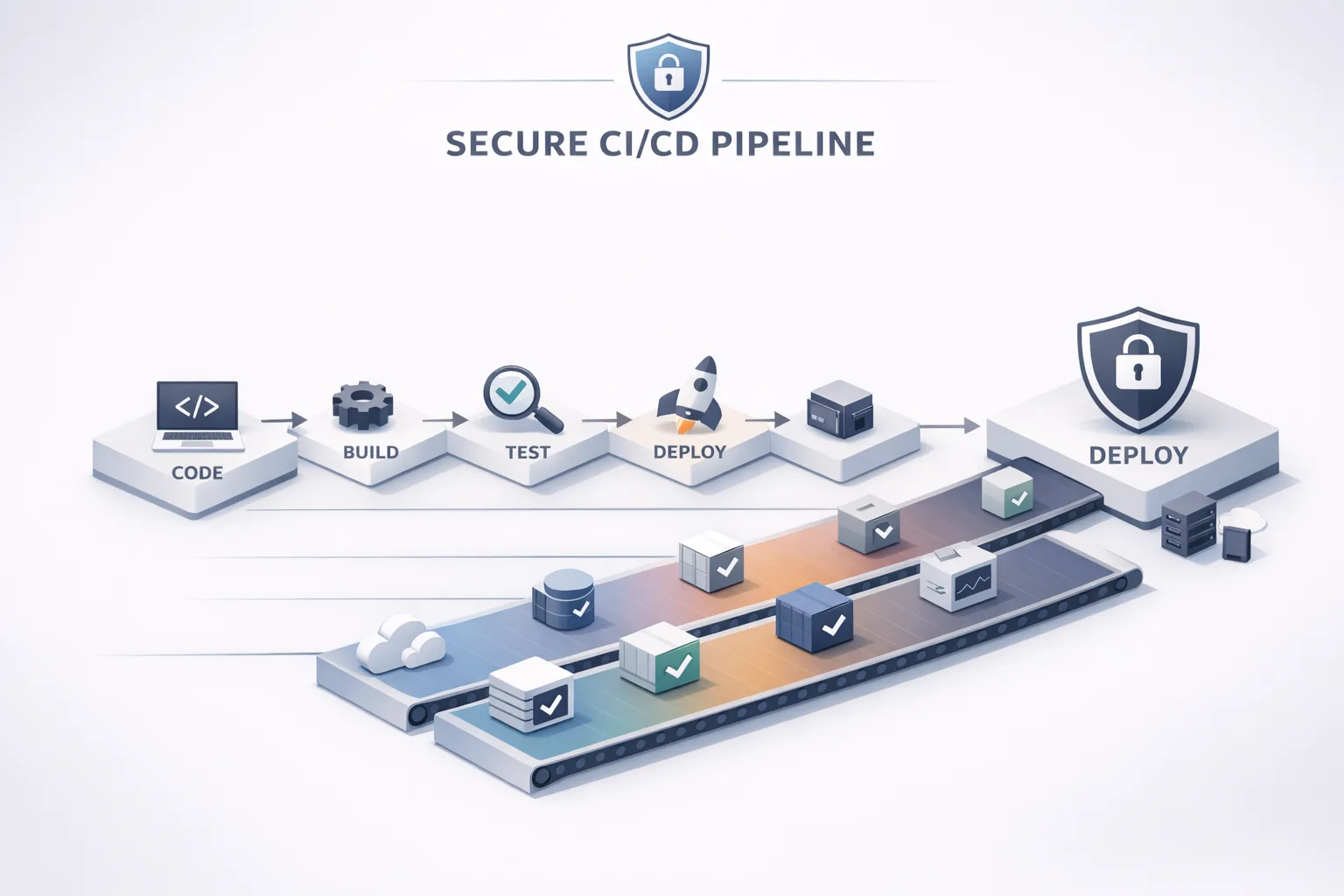
If you only have a weekend and a small platform team, here’s a pragmatic sequence. I’ve used this playbook to get dozens of repos compliant without drama.
Day 0–1: Discover and patch
- Org‑wide search: Find all
pull_request_targetoccurrences and audit each. Flag any job that checks out and runs code from a fork. - Upgrade checkout: Bump
actions/checkoutto v7 in high‑traffic repos. Create a tracking issue for the rest. - Runner inventory: Export runner versions per repo/group. Identify anything below current minimums and plan a blue‑green cutover.
- Token hardening: In at least your deployment workflows, set explicit
permissions:and move secrets behind environments.
Day 2: Dry runs and triage setup
- Failed‑path rehearsal: Trigger test PRs from forks to ensure safe behavior. Confirm held runs show up where you expect and that approvers can action them.
- Triage schedule: Publish an on‑call calendar and a 10‑point approval checklist in your engineering handbook.
- Cache warmers: Pre‑build toolchains and language runtimes nightly so held‑run approvals don’t add wall‑clock pain.
Day 3: Cutover and monitor
- Runner cutover: Drain old pools, switch to patched/ephemeral runners, and lock old images from reuse.
- Metrics: Track median CI time, approval latency, and failure rate. Expect a week of tuning; that’s normal.
- Backlog: File issues to remove any lingering
pull_request_targetrisks and to standardize environment gates.
Security is broader than CI: don’t leave other doors open
While you’re in hardening mode, use this momentum to fix adjacent risks. Tighten secret scanning patterns, rotate lingering credentials, and make sure your browsers and build toolchains are fully patched. If you need a practical reference, our team outlined fast‑ship steps in this secret scanning field guide and a rapid checklist in our July browser update briefing. When you’re ready to turn the crank on broader platform reliability and security sprints, check our services overview for how we scope fixed‑price engagements and deliverables.
FAQ: quick hits for busy teams
How do I approve a held run?
Open the Actions tab, find the pending run, and click Approve. Do it from an authenticated web session tied to a collaborator with write access. Add a short note about what you verified; future you will thank present you.
Can I bypass approvals?
You can change required checks or adjust policies, but think twice. If approval friction is hurting, first reduce the number of runs that need it (audit your triggers) and speed up triage. Whitelisting patterns is better than wholesale bypass.
What breaks when I upgrade actions/checkout?
Workflows that previously pulled untrusted PR code under pull_request_target may fail with protective errors. That’s working as designed. Update the workflow to run contributor code under pull_request with minimal permissions, or gate privileged steps behind environments.
A quick governance pattern we recommend
Create a Security Engineering RFC per repo that lists: which events are allowed to trigger privileged jobs; which secrets exist and where; who can approve held runs and deployments; and which runners are permitted. Store it in .github/SECURITY-RFC.md and link to it from your PR template. Small discipline, big payoff.
What to do next
- Today: Upgrade
actions/checkoutwhere safe, setpermissions:explicitly in deployment workflows, and publish your held‑run triage schedule. - Within 72 hours: Cut over to patched or ephemeral runners, verify approvals work in the UI, and test a forked PR path.
- This week: Standardize environments for releases, and reduce CI variance by consolidating templates in
.github/workflows. - This quarter: Add routine dependency and secret hygiene. Our what we do page outlines the cadence we use with clients, and you can browse outcomes in our portfolio.
Zooming out: if the last year taught us anything, it’s that CI/CD is where your blast radius lives. The July 2026 changes push the ecosystem toward safer defaults. Meet them halfway: move fast, but with pre‑flight checks built into the runway.






Comments
Be the first to comment.