BYBOWU > Blog > AI

GitHub Copilot Premium Requests: Stop Runaway Bills

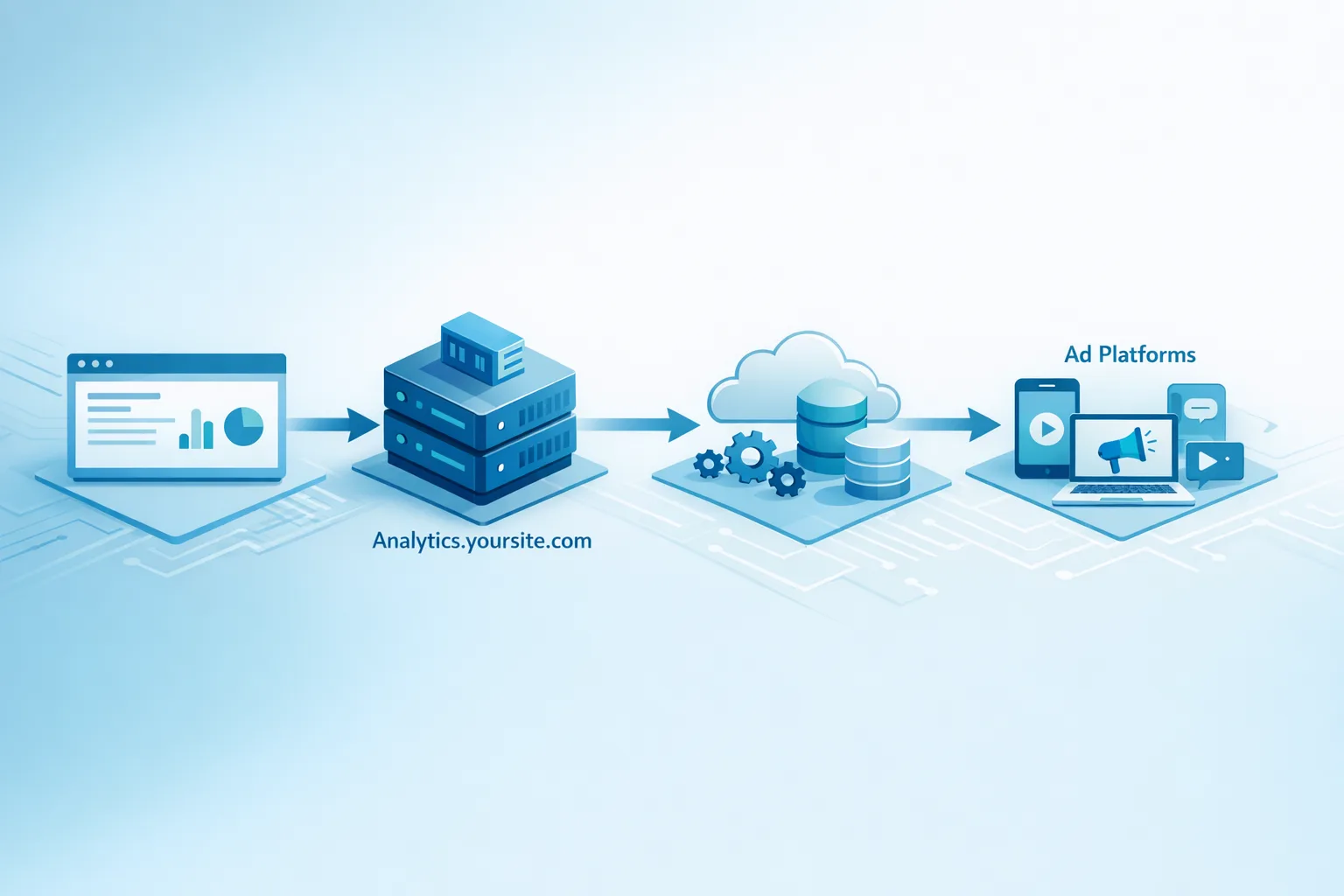
blog hero image
GitHub flipped a major billing switch for Copilot on December 2, 2025: most enterprise and team accounts lost their default $0 premium‑request budgets. If you didn’t adjust your policy, agent actions and model upgrades can now bill at $0.04 per request. This post breaks down exactly what changed, how premium requests differ from regular completions, and a 30‑minute setup you can run today to protect your org. I’ll also share ready‑made budget patterns, monitoring tips, and a few got...
📅
Published
Dec 09, 2025
🏷️
Category
AI
⏱️
Read Time
11 min

On December 2, 2025, GitHub quietly changed how organizations pay for GitHub Copilot premium requests. If your enterprise or team account relied on the old, account‑level $0 budget to block overages, it may have been removed. That means agent actions, advanced chat, or model upgrades can start billing unless you explicitly disable paid usage or set a real budget cap. If you own Copilot for your org, this isn’t a “nice to know”—it’s a line item that can creep into five figures if you ignore it.

Here’s the thing: premium requests aren’t the same as regular completions. Your devs can still get unlimited inline completions, but when they ask Copilot to plan work across files, run a coding agent, or use newer/larger models, they spend from a monthly allowance. After that, it’s pay‑as‑you‑go. Let’s unpack what changed, how the meter runs, and how to lock costs down today.

Illustration of a billing policy dashboard with usage chart

What changed on December 2, 2025?

GitHub began removing legacy account‑level $0 budgets for enterprise and team tenants created before August 22, 2025. Practically, three things matter:

First, the effective “hard stop” that blocked premium request charges disappeared for many orgs. Premium request usage is now governed by a simple policy toggle—Enabled or Disabled—and any explicit budget you set.

Second, dedicated SKUs for different Copilot AI tools (for example, coding agent and Spark) started rolling out in November. That gives you more granular control, but it also means you should check each SKU’s policy and budget, not just a single global setting.

Third, the unit price for overage is straightforward: $0.04 per premium request. Allowances vary by plan; once exhausted, paid usage kicks in if your policy allows it.

How do premium requests actually work?

Premium requests are consumed when users ask Copilot to do higher‑effort work or use certain models. Think agent mode, multi‑file edits, deep refactors, code review assistance, and some chat actions with larger or newer models. The monthly allowance (for example, 300 on many Pro plans and 1,500 on Pro+) resets on the first of the month. After that, each additional request is billed.

Unlimited inline completions remain unlimited. Your everyday tab‑to‑accept flow doesn’t burn premium requests. But as teams lean into agentic workflows, request volume can spike unpredictably—especially during sprints or migration projects. That’s why the policy toggle and budget caps matter.

Are individuals affected the same way as organizations?

Not exactly. Individual Pro and Pro+ users keep their monthly premium request allowances and, by default, retain a $0 budget unless they change it. Organizations, meanwhile, may have had their legacy $0 budget removed on December 2, 2025, which puts the burden on admins to set the policy to Disabled (to block overage), or to Enabled with an explicit budget cap.

Translation: if you manage an enterprise or team account and haven’t reviewed your Copilot settings since November, you’re operating on assumptions that might no longer be true.

Pricing snapshots and allowances (so you can model risk)

Here’s a concise view of the moving parts relevant to budgeting today:

• Premium request overage price: $0.04 per request.
• Typical plan allowances we see in the wild: 300 monthly premium requests for many Pro seats; 1,500 for Pro+ seats. Business and Enterprise plans have org‑scale controls and similar monthly allowances per seat, but your policy now determines whether overages are billable or blocked.
• Policy states: Enabled (allow paid usage beyond included requests) or Disabled (block usage when the allowance is exhausted).
• Dedicated SKUs: rolling out since November 2025, starting with coding agent and Spark; each can be governed with its own budget/policy.

If you’re negotiating Copilot at scale, seat price matters too. But for preventing surprise invoices this month, the $0.04 per‑request rate and your policy state are the two numbers to track.

The 30‑minute control setup for Copilot billing

Let’s get practical. Here’s a fast, auditable setup you can run before lunch. You’ll need org owner or billing admin permissions.

1) Confirm the ground truth

Open your Copilot admin settings and verify three things: current premium request policy (Enabled vs. Disabled), any existing budgets per SKU, and historical usage by tool and team. Capture screenshots and export usage if available. This becomes your baseline.

2) Choose a default stance per environment

Production engineering org: set premium request policy to Disabled by default. Then explicitly enable it only for teams that need agents or advanced chat.
Sandbox/innovation org: set to Enabled with a modest monthly budget (for example, $200) to encourage experimentation without risking bill shock.
Vendor/contractor org: keep Disabled unless you assign a capped budget to a cost center.

3) Apply three budget caps

• Per‑SKU cap: Set a monthly budget for coding agent separate from Spark. That prevents one tool from draining your entire budget.
• Per‑team budget: If your platform supports it, allocate a cap to high‑variance teams (migration, performance, or refactoring squads).
• Org‑level kill switch: Maintain a small org‑wide budget (for example, $100) even when most usage is Disabled. This gives you a narrow escape hatch for urgent cases without opening the floodgates.

4) Monitor like you monitor CI minutes

Set weekly alerts at 50%, 80%, and 100% of budget. Route them to the same Slack or Teams channel where CI overages land. Create a saved view for “top users by premium requests” so you can coach outliers and share best practices.

5) Educate developers in one Slack post

Share a plain‑English note: “Inline completions are free. Agent actions and bigger models spend from a monthly allowance. If you hit a block, ping #dev‑tools. If you’re experimenting, use the sandbox org.” Link to your internal wiki with screenshots.

People also ask: quick answers for your team

Do inline code completions consume premium requests?

No. Inline completions remain unlimited across plans, subject to rate limits. Premium requests are used for agent actions, advanced chat, multi‑file edits, and tasks that require larger/newer models.

What happens when a user hits zero premium requests?

Two outcomes: if your policy is Disabled, the premium task is blocked and the user sees a helpful message. If your policy is Enabled and you have a budget with remaining dollars, the request bills at $0.04 each until the budget runs out. If there’s no budget limit and paid usage is enabled, billing continues. That’s how surprise costs happen.

Can we block just certain models or features?

Yes. With dedicated SKUs rolling out since November, you can budget or disable specific AI tools like coding agent or Spark independently. Use this to allow chat and completions broadly while keeping agent usage contained to a few teams.

Developer viewing a Copilot usage alert on a laptop

Three budget patterns that work in the real world

• Guardrail by default: Disable premium requests org‑wide; create a short allowlist of teams (DevEx, Architecture, SRE) with a small budget. Expand as you observe value.
• Meter by cost center: Enable premium requests but put budgets on engineering cost centers. Finance gets predictable variance, and engineering leads own optimization.
• Event‑based unlock: Keep Disabled. For migrations or big refactors, flip a temporary 30‑day budget on the affected team and auto‑revert after the sprint.

All three patterns reduce surprises, but they differ politically. The first emphasizes control, the second accountability, the third agility. Pick based on your culture and fiscal calendar.

Usage gotchas we’ve seen (and how to avoid them)

• Agent loops: Developers sometimes re‑run agent tasks after minor edits. Coach teams to batch prompts and review diff proposals before accepting to avoid duplicate runs.
• Model curiosity: People try the “shiny new model” in chat and forget it sticks as default. Include a quick tip in your IDE onboarding about resetting model choice.
• Shared seats: A floating seat on a jump server can rack up requests fast. Tie seats to individuals or enforce per‑team budgets to cap communal use.
• End‑of‑month spikes: Sprint crunch or year‑end refactors drain allowances in hours. Use the 80% alert and a “cool‑down” guideline for optional agent runs.

A practical framework to justify (or cut) spend

When finance asks why you need premium requests at all, use this simple ROI rubric:

1) Identify costly workflows: multi‑file upgrades, test generation, codebase audits, or repetitive refactors.
2) Timebox trials: enable premium requests for two weeks with a $300 team budget.
3) Instrument outcomes: track PR throughput, cycle time, and escaped defects per 100 commits. Compare to the two weeks prior.
4) Standardize or shut off: if PRs per week rise 15% with stable defect rates, keep the budget and write a runbook. If not, Disable and move on.

We use a similar approach when clients ask us to tune their development platforms. If you want a structured cost‑control review, our engineering services team can help design budgets, alerts, and developer enablement for Copilot and other AI tooling.

Why this matters beyond a few cents per request

Agent workflows compress multi‑hour dev tasks into minutes. That’s genuine leverage, but it’s also a new metered surface you didn’t have last year. If you don’t define clear budgets and policies, cost will follow curiosity. The fix is simple: start with Disabled, enable narrowly, and publish a one‑page policy that every engineer can understand.

If you want a deep dive on the mechanics, read our earlier guide to avoiding surprise bills with premium requests and how allowances actually reset. We walk through common misconfigurations and how to monitor usage. Here’s that piece: our premium‑requests billing guide.

Deployment playbook: 7 steps to roll out safely this week

• Day 1: Audit org policy and budgets; export usage; set policy to Disabled globally.
• Day 2: Create team‑level budgets for DevEx and Architecture ($100 each). Enable premium requests only for those teams.
• Day 3: Post Slack guidance; pin in #engineering; add a wiki page with screenshots.
• Day 4: Add alerts at 50/80/100%. Create a saved view of top users by requests and a weekly digest to team leads.
• Day 5: Instrument outcomes—use PR throughput and mean time to review as KPIs.
• Day 10: Hold a 30‑minute retro. If KPIs improved, expand budget to one more team; if not, cut back.
• Day 14: Present numbers to finance. Keep or adjust the monthly cap per team.

What about plan specifics and model access?

Plan names and included allowances change more slowly than policy toggles, but they do evolve. Today, many Pro seats include 300 premium requests, while Pro+ offers 1,500 and broader model access. Overages cost $0.04 per request. Organizations on Business and Enterprise tiers get the crucial policy and budget controls described above. If your procurement team needs exact, current seat pricing and model lists, check your GitHub billing console—don’t rely on screenshots in a slide deck.

Zooming out: the policy trend is clear

Vendors are decomposing AI features into SKUs with budgets and toggles. It’s good for control, but it moves the burden to you to configure it. Treat AI consumption like cloud consumption: guardrails first, education second, and ongoing measurement always. The companies that win with AI in 2026 won’t necessarily spend more—they’ll spend deliberately.

What to do next

• Check your Copilot org policy now. If it’s Enabled with no budget, fix it.
• Set per‑SKU budgets for coding agent and Spark. Start small.
• Publish a one‑pager to engineers: what counts as a premium request, how to ask for exceptions.
• Wire 50/80/100% alerts to your engineering channel.
• Run a two‑week ROI sprint on one team. Keep budgets where value is proven; disable elsewhere.

If you’d like help implementing the setup above or benchmarking ROI, reach out through our contact page. For broader platform strategy, see what we do and browse the rest of the blog for adjacent platform and AI guidance.

Infographic of policy, budget, and alert workflow
Written by Viktoria Sulzhyk · BYBOWU
4,229 views

Work with a Phoenix-based web & app team

If this article resonated with your goals, our Phoenix, AZ team can help turn it into a real project for your business.

Explore Phoenix Web & App Services Get a Free Phoenix Web Development Quote

Get in Touch

Ready to start your next project? Let's discuss how we can help bring your vision to life

Email Us

[email protected]

We typically respond within 5 minutes – 4 hours (America/Phoenix time), wherever you are

Call Us

+1 (602) 748-9530

Available Mon–Fri, 9AM–6PM (America/Phoenix)

Live Chat

Start a conversation

Get instant answers

Visit Us

Phoenix, AZ / Spain / Ukraine

Digital Innovation Hub

Send us a message

Tell us about your project and we'll get back to you from Phoenix HQ within a few business hours. You can also ask for a free website/app audit.

💻
🎯
🚀
💎
🔥