
Salesforce Contentful Acquisition: The 90‑Day Playbook
On June 1, 2026, Salesforce announced a definitive agreement to acquire Contentful. The message to enterprises is clear: a unified content layer is headed straight into Customer 360 and Agentforce. For teams that rely on headless architectures, the Salesforce Contentful acquisition is both opportunity and pressure—expect tighter personalization loops and faster campaign assembly, but also new decisions around licensing, governance, and platform boundaries.

What this deal really means for your stack
Salesforce is signaling that content shouldn’t live off to the side of data and automation. Folding a headless CMS into the same orbit as Customer 360 turns every email, page, and in‑app moment into a data‑driven template that agents (human and AI) can assemble at runtime. That’s the upside: less channel silos, fewer brittle integrations, and a path to genuine 1:1 experiences without nightly export/import jobs.
But there’s a catch. When content, data, and orchestration consolidate, coupling increases. Expect default pathways that favor Salesforce’s identity model, eventing, and permissions, and pay attention to API quotas and cost structures that can nudge you toward “all‑in” choices. The right move isn’t to resist the integration—it’s to design for it while keeping an exit ramp.
Salesforce Contentful acquisition: who wins and who sweats?
Winners first. If you’re already deep in Salesforce for marketing, service, or commerce, you’ll likely see faster time‑to‑value from unified profiles and content variants that align to the same customer graph. Global brands with many sites and locales can finally align publishing, personalization, and consent under a single roof.
Who sweats? Contentful‑only shops that chose a neutral CMS to avoid vendor lock‑in will have questions about pricing, SLAs, data residency, and how “composable” survives inside a large suite. Teams on non‑Salesforce CRMs (HubSpot, Dynamics, Adobe Real‑Time CDP) will need hard numbers on integration friction. Agencies that led with “best‑of‑breed” decks should plan for client pressure to standardize.
People Also Ask: Will Contentful stay standalone?
Expect a period where sales and support remain familiar while integration ramps, followed by native connectors and bundles. The official line emphasizes preserving composability and API‑first patterns, and history suggests the product brand can live on even as it gets tighter hooks into the suite. Your takeaway: don’t assume a forced replatform, but do assume first‑class support for Salesforce identity, events, and governance.
People Also Ask: Will pricing or SLAs change?
Acquisitions close on a specific timeline—in this case, the companies expect completion later this fiscal year subject to approvals—and material commercial changes typically land post‑close. Watch for enterprise bundles that tie content seats and API throughput to Marketing/Commerce add‑ons, and for “included usage” that sounds generous until agents begin assembling content dynamically at scale. Put contract language around spike limits, rate caps, and surcharge thresholds now.
People Also Ask: Do we have to move our whole digital experience to Salesforce?
No. A composable CMS is built to integrate. If your current stack uses Contentful with a different CRM or CDP, you can maintain that posture. But the gap between neutral integrations and native ones will widen. Plan accordingly: where native gives you measurable lift (identity resolution, segment activation, consent), use it. Where neutrality protects portability (core content model, media, localization), keep it.
The 90‑Day Integration Playbook
Here’s a practical, time‑boxed plan I’ve run with enterprise clients during major platform shifts. It balances momentum with optionality.
Weeks 0–2: Baseline and back up
Start with a content and integration inventory. List spaces, environments, content types, locales, webhooks, extensions, media origins, and delivery patterns (web, app, email, in‑store screens). Export your content model as code and take immutable snapshots of published entries. Mirror media assets to a neutral bucket with lifecycle policies. Capture API usage profiles (calls/minute, bytes out, peak hours) and map them to business events.
Security quick wins: rotate tokens to scoped keys, verify SSO configuration, audit environment variables in your build system, and quarantine any legacy webhooks. Document your current incident response: who gets paged when a webhook fails, CDN cache spikes, or an entry type change breaks a renderer.
Weeks 2–4: Identity and data alignment
Decide where a “person” lives. If you run Salesforce Data Cloud, map profile IDs to the content personalization keys you actually use (segments, feature flags, language, geo, tenure, entitlement). If you don’t, still define a single source of truth and implement a lightweight ID translation service at the edge. Establish PII adjacency rules: no PII in content fields; use content only for display variants keyed by non‑PII signals.
Stand up an event spine. Whether you use Salesforce’s eventing or your own broker, standardize events like ContentVariantServed, SegmentEvaluated, and ConsentUpdated. The goal is to decouple “who gets what” from “how we render it,” so agents and campaigns can swap without blowing up page templates.
Weeks 4–6: Prove the orchestration loop
Build one thin vertical slice: dynamic homepage hero and email hero fed by the same content entries and the same segment definitions. The system should pick a variant based on real profile data, assemble in milliseconds, and log the decision. Ship it to 5–10% of traffic. Measure p50 and p95 latency, origin hits, cache hit ratio, and incremental CTR. This is your reference pattern for the larger rollout.
Governance matters here. Establish a change‑control lane for content types, experiment flags, and agent prompts. Require a content type diagram and test plan for any schema edits. Add a “red button” in your ops runbook to fall back to a static default if an experiment misbehaves.
Weeks 6–8: Contract, cost, and capacity
Model cost under three load patterns: steady‑state (business as usual), email + campaign surges, and seasonal peaks. Include CMS read calls, image transforms, agent orchestration, and cache egress. Negotiate explicit surge buffers and an overage grace window. Add SLAs for webhook delivery, content CDN uptime, and support response times. Ask for named technical contacts while integration teams are in flight.
On capacity, test worst‑case. Pre‑warm cache for “no cache” traffic slices, add stale‑while‑revalidate, and instrument every hop: edge decision, CMS read, image transform, client render. Fail noisy and fast—if a content dependency times out, render a plain‑text fallback and log it with correlation IDs.
Weeks 8–12: Rollout and reliability
Scale the slice to two more surfaces (a PLP banner and the support portal header) and at least one triggered email. Introduce a second locale. Add SLOs: 99.9% variant decision within 150 ms at the edge, 95% first byte under 300 ms for content assets, zero PII in content payloads. Close the loop with experimentation and analytics owners to ensure you can attribute lift back to the orchestration.
Architecture options that keep you fast—and safe
There isn’t one “right” pattern. Choose based on where your team’s expertise and licensing sit.
Option A: CRM‑centric personalizer. Let Customer 360 own identity, segments, and consent. Use agents to request content variants from the CMS at runtime, then serve via edge functions. It’s opinionated, fast to ship in Salesforce‑heavy orgs, and makes reporting straightforward.
Option B: CMS‑centric orchestrator. Keep the content platform as the dispatcher: it chooses variants based on signals from your CDP/CRM and serves pre‑assembled payloads to web, app, and email. This maximizes portability if you’re not ready to unify on Salesforce’s data plane.
Option C: Event‑bus with edge decisions. Publish events (Login, AddToCart, UpsellDeclined), store only identifiers in the CMS, and do the final variant selection at the CDN edge. Latency is great and vendor coupling is low, but you need solid observability and a disciplined schema.
Risks and gotchas to surface now
API and rate limits. AI‑assembled experiences can spike read traffic dramatically. Build a throttle that flips to a default variant if you approach caps, and alert on 80% thresholds.
Image handling. If you transform images on the fly, ensure cache‑key stability across A/B tests and locales. One missing accept header can blow your hit rate.
Schema drift. One extra required field in a shared content type can break legacy templates. Treat content types as code; require PRs, previews, and rollbacks.
Data boundaries. Keep PII out of content fields. If agents need to render names or entitlements, inject them at render time from the identity layer, not from CMS entries.
Change freeze windows. Coordinate with marketing on a weekly freeze for type changes and a monthly freeze for critical templates before major releases.
How to keep an escape hatch (even if you go all‑in)
You can embrace native integrations and still avoid a one‑way door. Three practices make the difference:
- Model content in a portable way: no vendor‑specific field types without an export strategy; avoid hard‑coding IDs in templates.
- Own your media: store originals in a neutral bucket; use the platform for transforms and delivery, not custody.
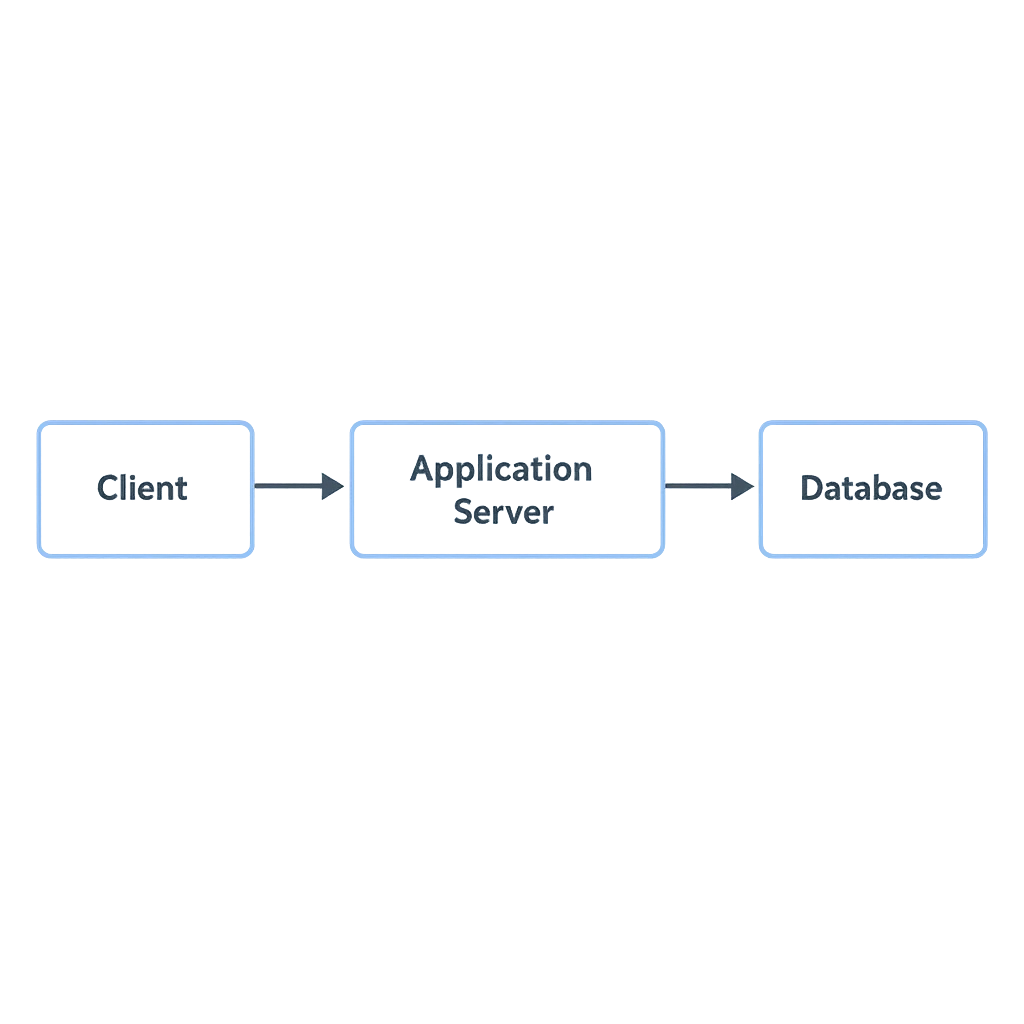
- Abstract delivery: route all content fetches through a thin service at the edge. If you ever need to swap providers, change one place.
If you need a sanity check on your current setup, our team has migrated and tuned dozens of headless stacks across industries—see examples in our portfolio of composable builds and how we approach these programs in what we do for product teams.
Strategic implications for execs
This acquisition isn’t only about developers. It’s a consolidation of capabilities: data, content, and agents in one operating model. That can reduce time‑to‑market and operational friction, but it changes cost curves and governance. Expect procurement to renegotiate bundles; expect security to revisit data flow maps; expect marketing to push for dynamic page assembly beyond campaigns and into evergreen surfaces. If your team structure mirrors channel silos, plan org changes now.
Benchmark timeline: what’s likely, and when
Publicly, the companies expect the deal to close later this fiscal year pending approvals. Historically, visible product moves happen in three waves: day‑zero messaging and FAQ; quarter‑one enablement (SKUs, partner playbooks, native connectors in preview); and quarter‑two hardening (SLA alignment, support runbooks, performance targets). Your roadmap should anticipate that sequence: keep core experiences stable in Q3, pilot native connectors once GA hits, and schedule your larger rollout for the following quarter.
Decision framework: should you move fast or wait?
Move fast if you’re already invested in Salesforce Data Cloud, if your growth model depends on personalization, and if you have a content model ready for variant explosion. Waiting makes sense if your audience is low‑variance, if your legal team needs more time on data boundaries, or if you’re mid‑migration and can’t absorb a tooling shift.
A practical rule: act now on no‑regret moves (backups, abstractions, event standardization), and time the native integrations to real revenue milestones, not to headlines.
What to do next
- Spin up a 90‑minute war room with product, marketing, data, and security to pick your architecture option and assign owners.
- Snapshot your content model and entries; start an automated nightly export to a neutral bucket.
- Stand up an edge service for content fetch and variant selection with structured logging.
- Define your identity source of truth and map keys to content variants; document PII boundaries.
- Negotiate surge buffers and overage grace in your contract; set SLOs for latency and uptime.
- Ship a single vertical slice (web + email hero) to 10% of traffic and measure the lift.
If you want help pressure‑testing the plan or implementing the slice, explore our composable services for enterprises or contact the team directly through our consultation form. We’ll give you an honest read on cost, risk, and speed—and, if it makes sense, we’ll build the reference pattern with your team in two sprints.
FAQ for hands-on builders
Can we keep our current framework and hosting?
Yes. Whether you’re on React SSR, static generation, or islands, there’s no forced move. What changes is how you pick variants and where identity lives. Start by moving that logic to the edge and wiring it to your identity source.
How do we protect performance if agents assemble content?
Cache aggressively at the edge with short TTLs and stale‑while‑revalidate. Use deterministic cache keys that include only the variant signals. Keep the agent out of the request path for first paint; use it to assemble or update content upstream or asynchronously.
What about content governance across dozens of locales?
Create a small set of base types (Page, Module, Asset, Variant) and keep localization at the field level, not the type level. Require screenshots in PRs for schema changes and default to strict type compatibility across locales.
How do we measure success beyond CTR?
Use lift in conversion within the same session for web, and net revenue per thousand sends for email. Track time‑to‑publish on the authoring side and pre‑prod cycle time for schema edits. Finally, monitor cache hit rate and p95 latency to ensure speed gains accompany revenue gains.
Zooming out
This isn’t just another vendor marriage. It’s a directional bet that content is a first‑class runtime ingredient, not a pre‑baked asset. Done well, you’ll retire a mess of brittle glue code and ship faster, safer personalization across every channel. Done poorly, you’ll absorb new costs and dependencies without the lift. The difference is disciplined architecture, explicit contracts, and a tight feedback loop between marketing and engineering.
Here’s the thing: you don’t need to predict every roadmap move to make good decisions today. Nail your abstractions, log everything, and keep your model portable. Then, when the native capabilities land, you can adopt them because they’re better—not because you’re stuck.
When you’re ready to pressure‑test the plan, we’re here. Start with our approach to shipping modern platforms, browse relevant case studies, or reach out via a quick consult. Make the next 90 days count.








Comments
Be the first to comment.